This post may contain affiliate links, from which we earn an income. Click here to read our affiliate policy.
Independent advice from motorhomers and not motorhome hire companies!
Hiring a motorhome is a great way to test the lifestyle before committing to a purchase, or simply enjoy a cost-effective holiday with all the comfort and security of a home from home. Find out everything you need to know to plan the perfect motorhome rental.
A motorhome holiday gives you a level of freedom that few other trips can match. You can chase better weather, change plans on a whim, or take quieter back roads, all while having your own space and essentials with you.
If flying and crowded hotel buffets are not your idea of a break, a UK staycation or a motorhome holiday in Europe offers a more flexible alternative. Within a day, you could be in the south of France, and with a bit more time, you can reach Italy, Spain, or almost anywhere else in Western Europe. You set the pace, choose your route, and have your own facilities, with the option to camp off-grid along the way..
This guide walks you through each step of hiring a motorhome or campervan, so you can make confident choices and get the most from your trip. You might even find yourself browsing motorhomes before you get home!
Enjoy The Gap Decaders? Add us as a preferred source on Google.
Choosing the Right Motorhome to Hire
Most motorhome hire companies in the UK offer both campervans and motorhomes. What’s the difference between the two?
Campervan Features
A campervan is a standard panel van that has been converted into a compact living space.
Models based on vehicles like the VW or Ford Transit can typically sleep up to four adults, making them a practical choice for short trips and small families. Space is limited, but if you plan to spend most of your time outdoors, they offer a comfortable and budget-friendly option for campervan hire in the United Kingdom.
On the road, a campervan feels much like driving a larger car, and it is generally more fuel-efficient than a motorhome.
Motorhome Features
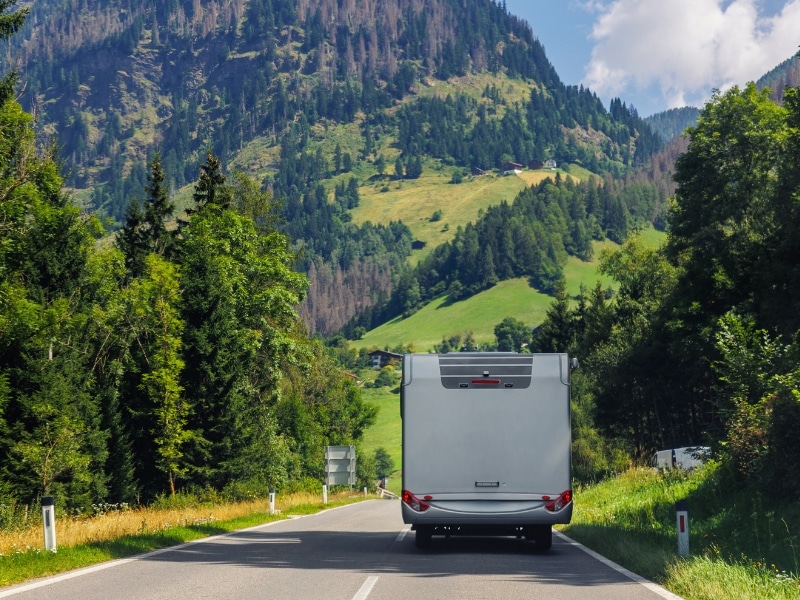
If you are travelling as a family or planning a longer trip, a five or seven-berth motorhome is the more practical choice. It may lack the style of a campervan, but it makes up for it with space and comfort.
You can expect proper beds and a full set of onboard facilities, including a shower, toilet, and oven, which makes day-to-day life on the road far easier.
The trade-off is size. Motorhomes are larger and take a bit more confidence to drive, so it is worth sticking to motorways and A roads at first.
Licence and Driver Requirements
Before you book, make sure you meet the hire company’s driver requirements, as these can vary more than you might expect.
Most companies require drivers to be at least 21 or 25 years old, and some set an upper age limit, often around 70 to 75. You will usually need to have held your licence for a minimum period and have only a limited number of penalty points.
You may also be asked to provide a DVLA check code so the company can view your driving record, along with proof of address such as a recent utility bill.
If you passed your driving test before 1997 and are under 70, your licence should include category C1, which allows you to drive motorhomes up to 7,500 kg. Otherwise, you will be restricted to vehicles under 3,500 kg, so double-check this before committing to a booking.
RELATED POST: Campervan or Motorhome? Which Is Right For You?
How to Hire a Motorhome
It is possible to fly to Europe and hire a campervan when you arrive, but if you would rather avoid flying, are planning a trip within the United Kingdom, or simply like the ease of packing everything from home, using a UK-based hire company is often the better option.
Not all motorhome rental companies offer the same level of quality or service, so it is worth taking the time to research properly before making a decision.
Most providers will claim to have the largest fleet, the newest vehicles, and the best customer support, so it helps to look beyond the marketing and compare what is actually available.
We recommend Motorhome Republic because you can compare multiple rental companies in one place. Rather than being tied to a single provider, you can browse a range of suppliers, vehicle types, and prices side by side. Filters make it easy to narrow down options by size, layout, and location, pricing is clear, and support is available if you need it, which makes the whole process far more straightforward.
Once you have found a suitable option, take the time to read the terms and conditions carefully, and do not book until you are completely satisfied.
Motorhome Hire Insurance Explained
Motorhome hire always includes basic insurance, but this is one area where it pays to read the details carefully.
Most policies come with a hefty excess, often between £1,000 and £2,500. This means if the vehicle is damaged, you are responsible for that amount before the insurance covers the rest.
Hire companies will usually offer an excess reduction package for an additional daily fee. This lowers your liability, but it can add a significant cost to your booking. An alternative is to take out separate excess insurance through a third-party provider, which is often much cheaper.
Make sure you check what is not covered. Damage to tyres, windscreens, the roof, or awnings is sometimes excluded or treated separately. Knowing this in advance helps avoid any nasty surprises when you return the vehicle.
It is also worth taking photos or a video of the vehicle at collection and return, so you have a clear record of its condition.
Taking a Hired Motorhome to Europe
If you are planning a motorhome holiday in Europe, there are a few extra things to consider before setting off.
Not all hire companies allow travel outside the UK as standard, so you will need to check this in advance and may have to pay an additional fee for European cover.
You will also need to carry the correct documents, including your passport, driving licence, and usually a copy of the vehicle registration and insurance details provided by the hire company. A GHIC card is also worth having for healthcare access, as well a travel insurance from our recommended insurer, True Traveller.
A bit of preparation makes crossing the Channel straightforward and helps avoid unnecessary delays.
The Costs of Hiring a Motorhome
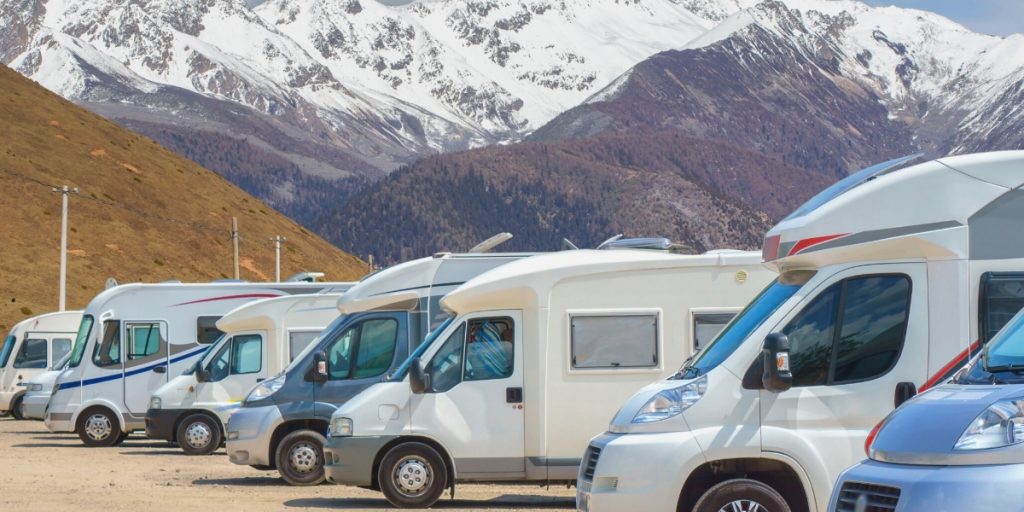
Expect motorhome hire prices to be between £600 and £1500 for a week’s rental in summer, depending on the model and size of the vehicle. Campervan rental costs will be towards the lower end of that scale unless you choose a sought-after vintage model.
Remember to budget for fuel and campsite costs, as well as ferry or tunnel costs if you’re heading to the continent. Don’t compromise on quality, and if you see an offer that’s too good to be true, it probably is!
There are ways of keeping motorhome hire costs down if you follow our tips:
RELATED POST: What Is the True Cost of Touring Europe in a Motorhome?
Complete Guide for Motorhome Beginners
New to motorhoming? We’ve put everything we wish we’d known into one practical guide.
From getting to grips with your motorhome to touring Europe and everyday life on the road, it’s packed with practical advice to help you get started with confidence.
Things to Ask Before Hiring a Motorhome
Security Deposits and Payment
Most motorhome hire companies require a security deposit, which is usually held on a credit card when you collect the vehicle.
This is not a small amount, it can often be £1,000 or more, and the funds are typically frozen rather than taken. However, this still means the money is unavailable to you during your trip.
It can take several days, sometimes longer, for the deposit to be released after the vehicle is returned and checked. Make sure you have enough available credit and confirm the exact process with your hire company in advance.
Motorhome Packing List
If you hire your motorhome from a reputable company, it should come fully equipped with the basics for cooking and day-to-day living, including a power cable, hose, bucket and cleaning kit, and you should be provided with an inventory on collection.
You can also ask for the inventory beforehand so you know what you might want to bring from home. Either pack from home after collection if the depot is close by, or pack into soft luggage bags, which are much easier to store.
It is also important not to overpack. Motorhomes have weight limits, and exceeding them can affect handling and, in some cases, insurance cover. Pack smart and keep heavier items to a minimum.
RELATED POST: Motorhome Glossary – A-Z of Terms & What They Mean
Top Motorhome Essentials for a Hired Van
RELATED POST: 101+ Motorhome Essentials You Need + FREE Packing Checklist
Trip Planning
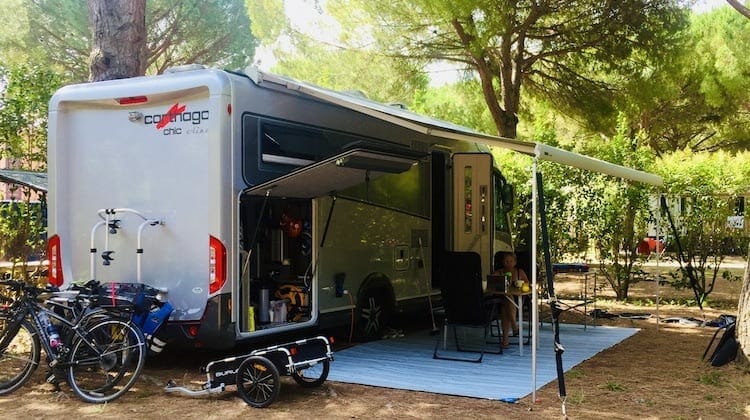
You’ve picked up the motorhome and packed all your gear. Now comes the fun part, planning the trip itself.
It is tempting to cover huge distances, especially if you are heading into Europe, but motorhome travel works best at a slower pace. The journey is part of the experience, so build in time to stop, explore, and change plans if something catches your eye. A well-paced route will always feel more enjoyable than a rushed checklist of destinations.
It also helps to plan around your interests. That might mean a route through hiking country, a food-focused road trip, or simply linking together places you have always wanted to visit. Keeping your itinerary flexible gives you the freedom that makes this style of travel so appealing.
Motorhome hire works slightly differently from a standard car rental, particularly when it comes to timing. Collection is usually in the afternoon, often between 3pm and 5pm, while return is required in the morning, typically by 9am or 10am. This means you will not have full use of the vehicle on your first and last days, so avoid planning long drives or key stops at either end of your trip.
When it comes to navigation, not all sat navs are suitable for larger vehicles. If your hire company does not provide one configured for motorhome dimensions, download a navigation app that allows you to enter the vehicle’s size and weight. This helps you avoid low bridges, narrow roads, and awkward routes that can quickly turn into stressful situations.
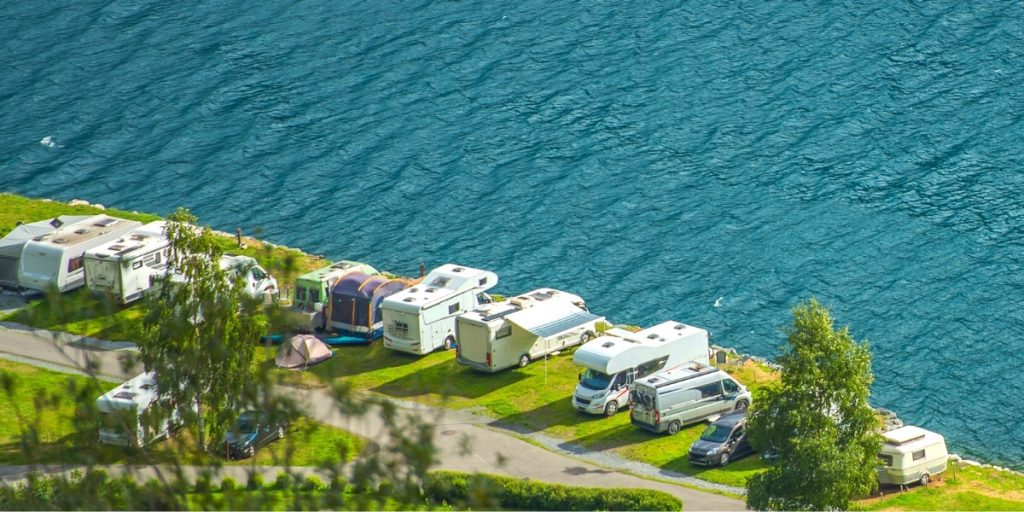
Campsite planning is another key part of the process. If you are travelling in summer or during peak periods, it is wise to book sites in advance, especially in popular areas. Outside of these times, you will often have more flexibility and can arrive without a reservation.
In Europe, ACSI is a useful resource for finding campsites, particularly out of season. The ACSI CampingCard can also give you access to discounted rates at participating sites, which can make a noticeable difference to your overall costs.
Facilities vary from site to site. Most pitches include electric hook-up, while others may offer fresh water and grey waste disposal directly on the pitch. These extras are convenient but usually come at an additional cost, so it is worth deciding what you actually need before booking.
RELATED POST: 31 of the Best Motorhome Apps: Free & Downloadable Now!
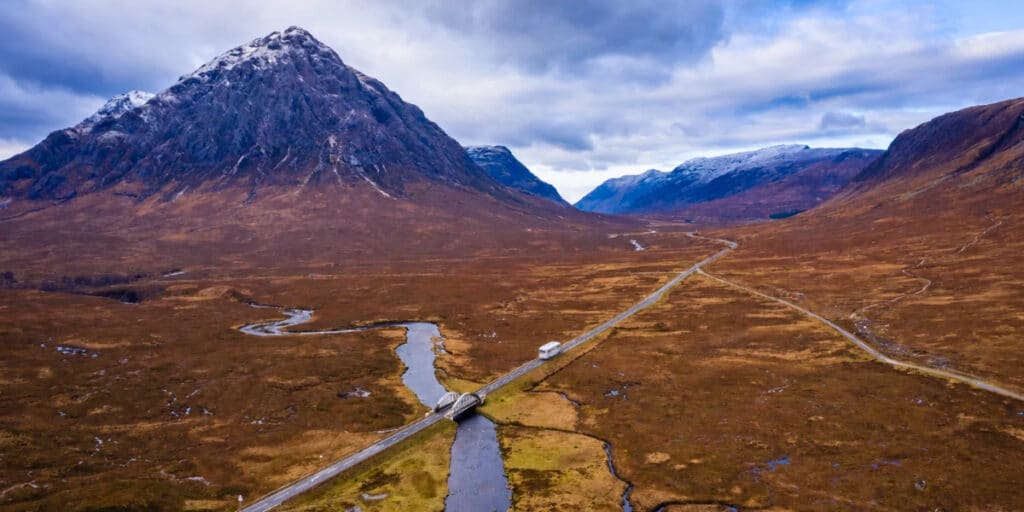
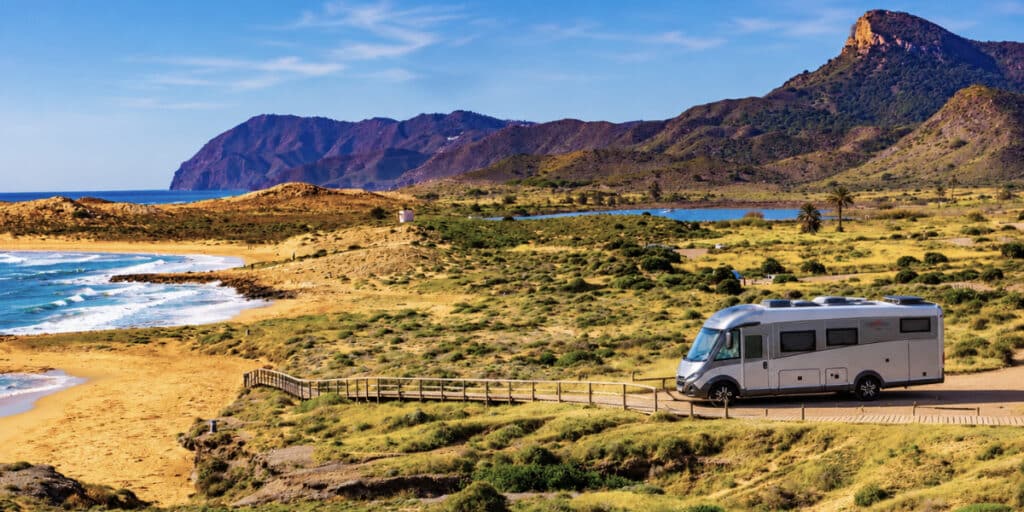
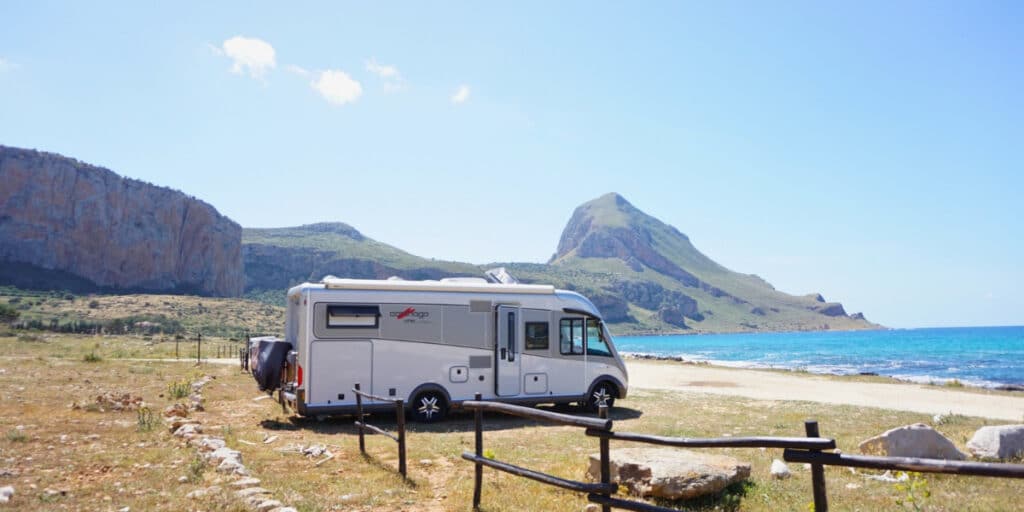
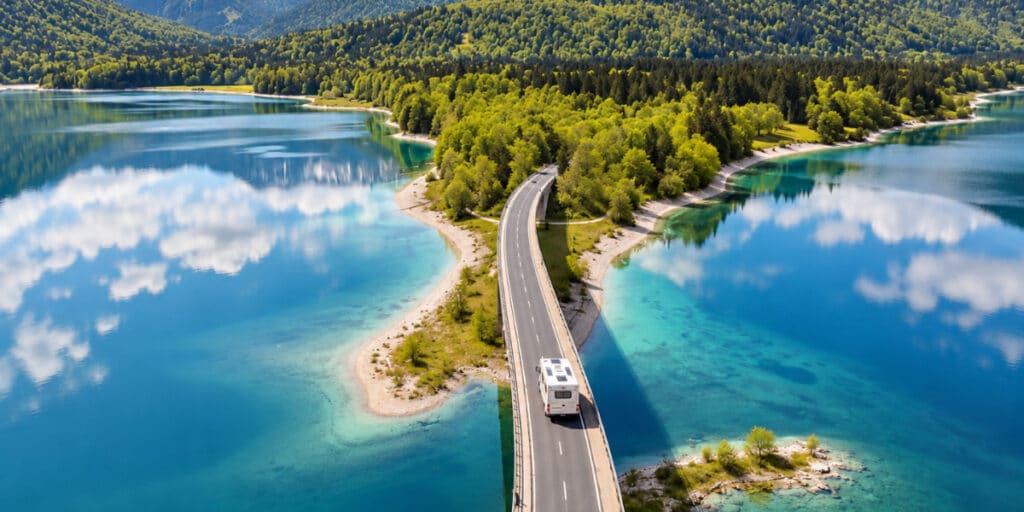
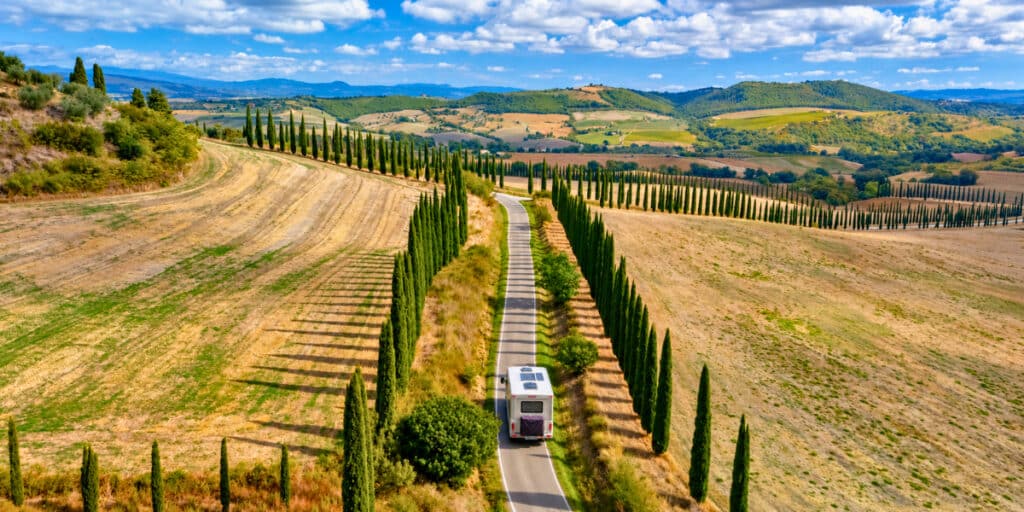
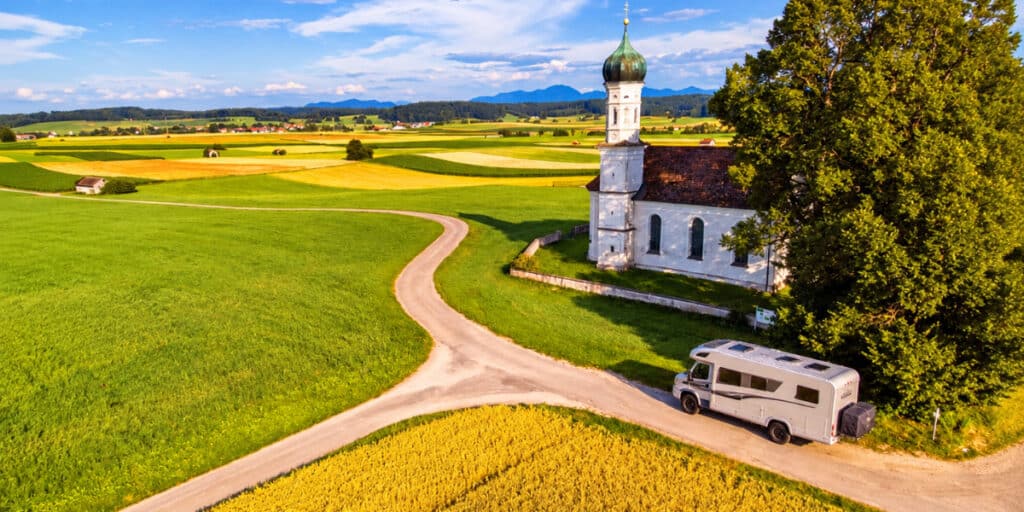
Motorhome Touring Guides

Driving a Motorhome
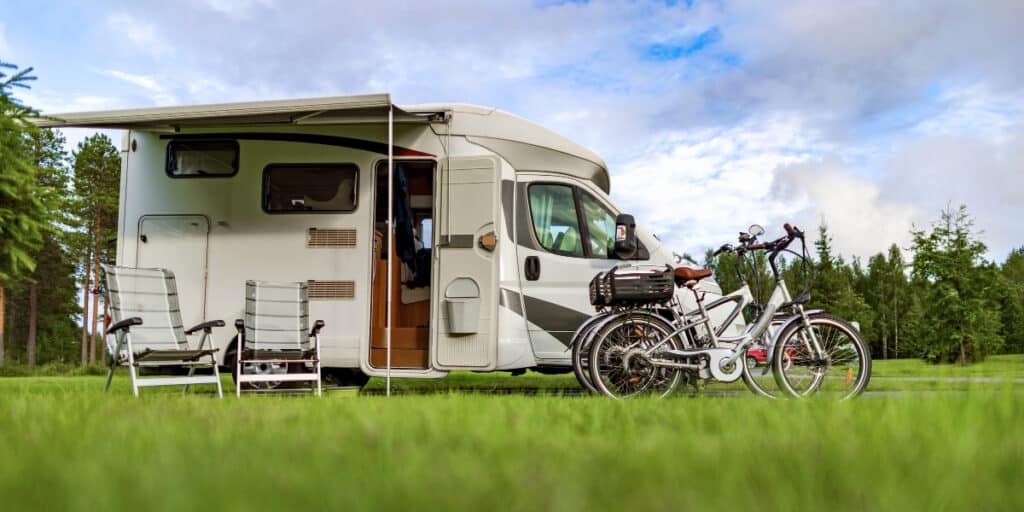
Driving a campervan is just like driving a large car. Driving a motorhome feels very different and can take a bit of getting used to!
Take it easy for the first few days and stick to motorways or main A roads in open countryside. Take time to get used to the feel, size and weight of the vehicle before venturing too far afield.
Probably the biggest differences are the swing of the back end when taking corners, the effect the wind can have on a high-sided vehicle and reversing.
Ask whether the motorhome you’re hiring has a reversing camera; even rear parking sensors can help. If you’re still nervous about reversing and parking, get someone to hop out of the van and guide you.
What Happens if You Break Down?
Most motorhome rentals include breakdown cover, but it is worth understanding exactly what that means in practice.
In the event of a breakdown, support is usually provided to get you moving again or recover the vehicle. However, this does not always guarantee a replacement motorhome or cover alternative accommodation.
Check the terms carefully so you know what to expect, especially if you are travelling abroad or on a tight schedule.
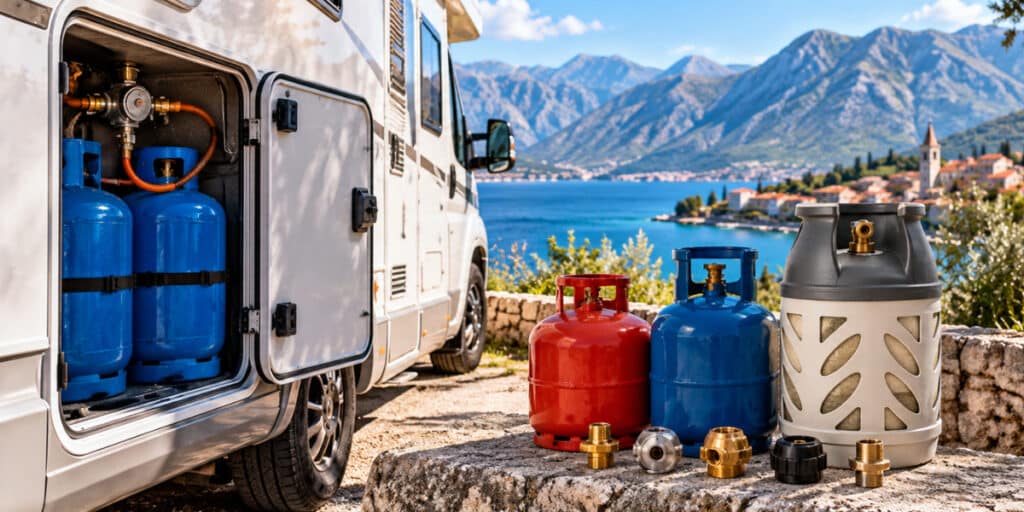
Motorhome Systems
You can find out all you need to know in our easy guides:




Arriving on Site
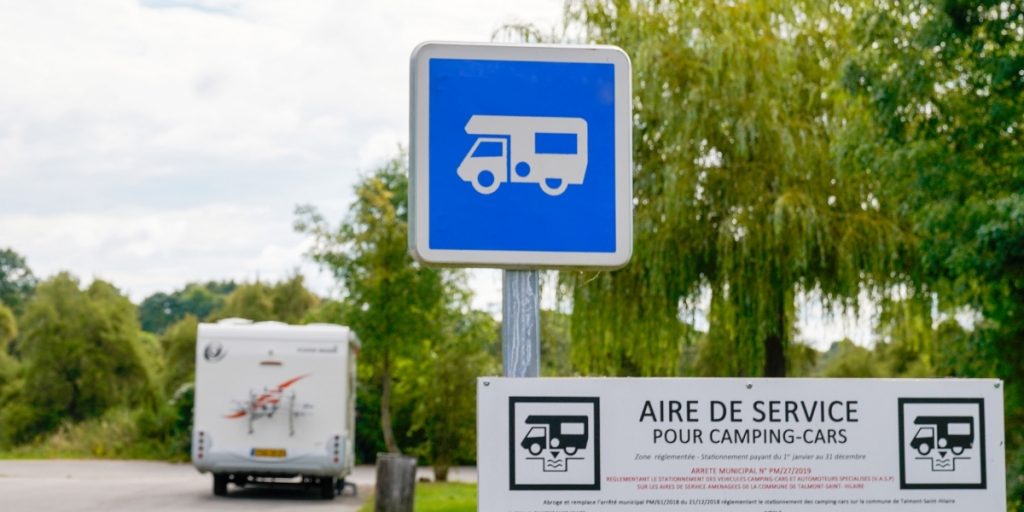
Pitching up for the very first time can be daunting. Your motorhome rental company should have shown you how things work in the van, how to access your fresh and waste water tanks and how to empty the loo.
But in the flurry of collection and paperwork, along with excitement for your holiday, you’ve probably forgotten most of what they’ve shown you!
Not to worry, motorhomers are a friendly and helpful lot, just approach one and ask for help – you’ll probably end up sharing a cuppa or beer as well!
Recommended Reading
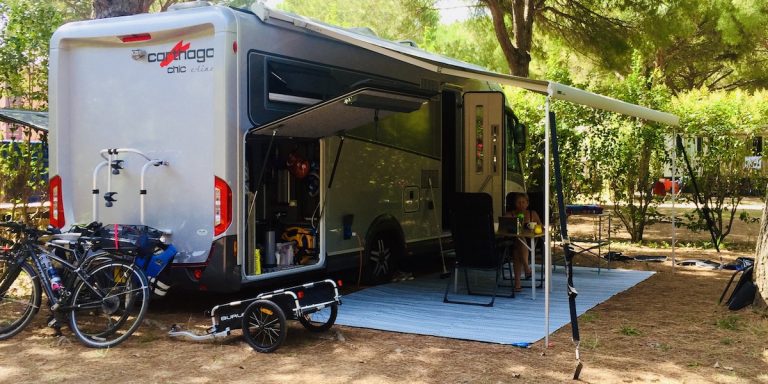
How to Take Your First Motorhome Trip (& have an amazing time!)
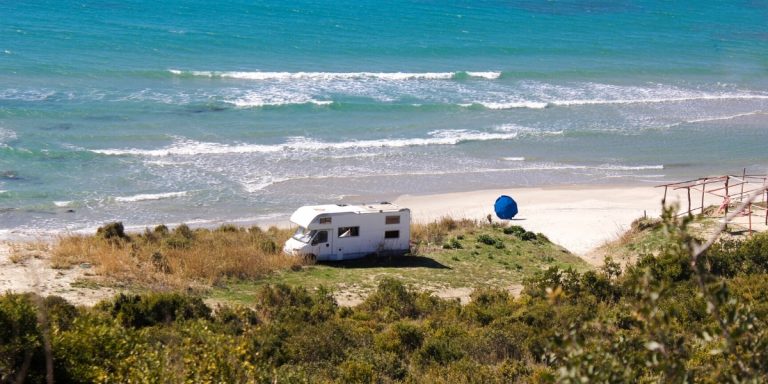
Off-Grid Motorhome Camping: Your Complete Guide to Going Wild
Motorhome Wild Camping
You don’t need to stay at a campsite, although we would advise you to do so for your first night. Once you’re a bit more familiar with the motorhome, why not venture out, find a beautiful spot with amazing views and enjoy some peace and quiet?
Wild camping rules vary widely. In the United Kingdom, wild camping is generally not permitted without landowner permission. Rules vary across Europe, and while some countries are more tolerant of off-grid camping, it is still important to check local regulations and avoid restricted areas.
Our wild camping guides have lots of useful advice to help you wild camp safely and within the law, whether you travel in a motorhome in continental Europe, England, Northern Ireland, Scotland or Wales.
If you want to try camping off-grid use the Park4Night app to find spots along your route.
Motorhome Cooking and Meals
Cooking in your motorhome is a great way of economising when you’re on holiday. There’s no need to get dressed up to go out, you can end the day with a glass of something chilled in your hand, whilst everyone mucks in to get dinner on the table, and do the washing up afterwards!
You do need to be organised with just two or three rings and maybe a small oven. Focus on making one-pot dishes or get a small portable gas BBQ like this one to cook outside, as most sites won’t allow charcoal.

The Camper Cookbook
With a helpful list of equipment and pantry items, you’ll make the most of what’s available in season + get alternative ingredient ideas and detailed methods for delicious and simple meals on one or two rings in your van!
Motorhome Hire FAQs
Here are answers to some of the most common questions about motorhome hire:
Is hiring a motorhome worth it?
If you enjoy flexibility, slow travel, and having everything with you, it is one of the most rewarding ways to travel.
Do you need a special licence to drive a motorhome?
Not for smaller vehicles under 3,500 kg. Larger motorhomes require the correct licence category.
Can you sleep anywhere in a motorhome?
No, you must follow local laws. Campsites are the safest option, especially for beginners.
How much does it cost to hire a motorhome in the UK?
Prices typically range from £600 to £1,500 per week in summer, depending on the vehicle and season.
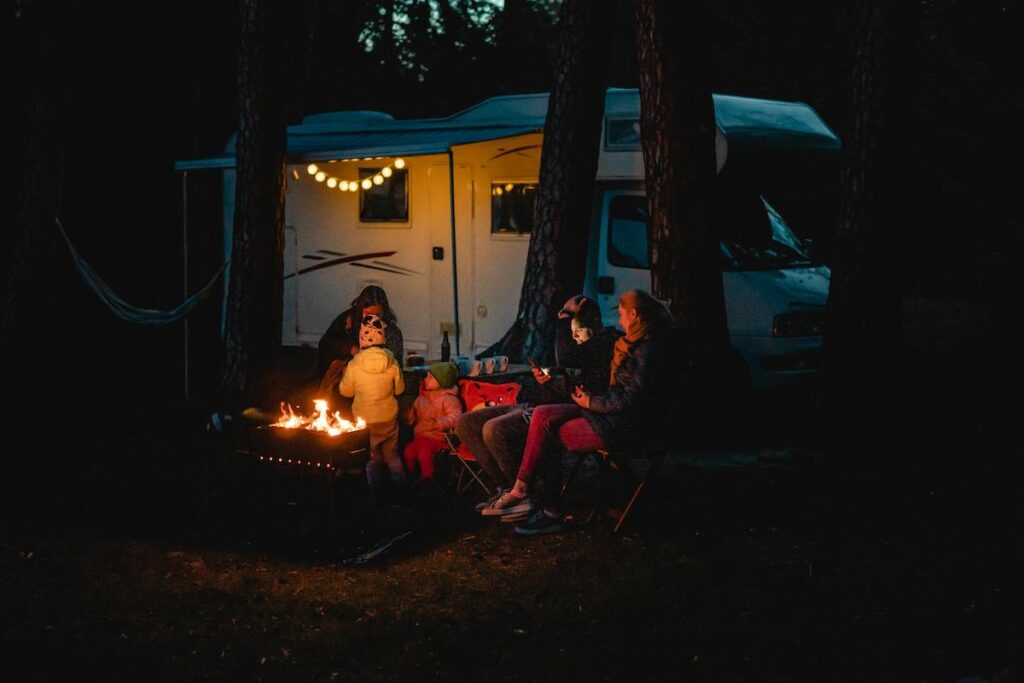
Our Top Five Motorhome Hire Tips
More Motorhome Guides to Explore

Motorhome Toilets: Types, Emptying, Cleaning and Practical Tips
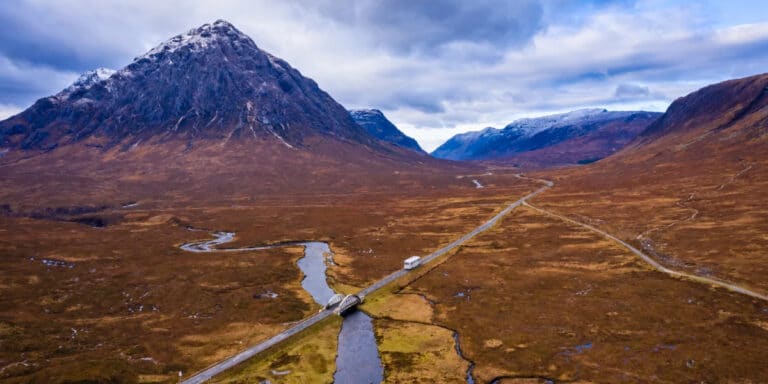
Scotland Motorhome Itinerary: The Ultimate 2–3 Week Road Trip
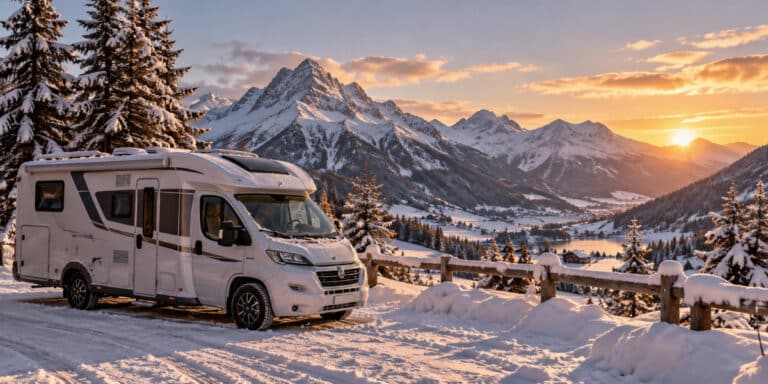
12 Best Places to Spend Winter in a Motorhome in Europe

Gap Year for Over 50s: How to Take Time Out and Make It Count
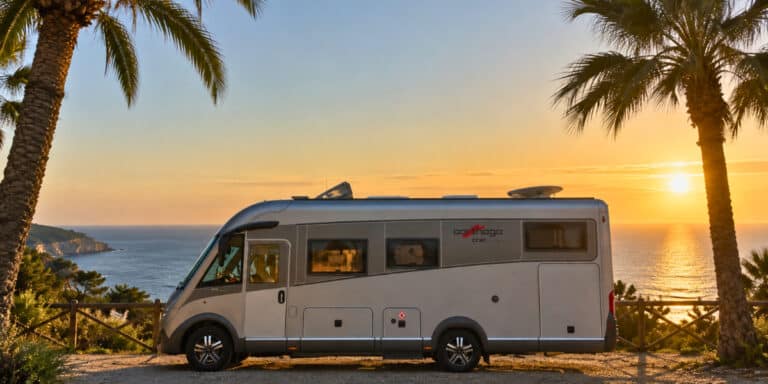
Motorhoming in Spain: Your Complete Touring Guide
Spain Motorhome Itinerary: The Ultimate 6-Week Road Trip
Love it? Pin it