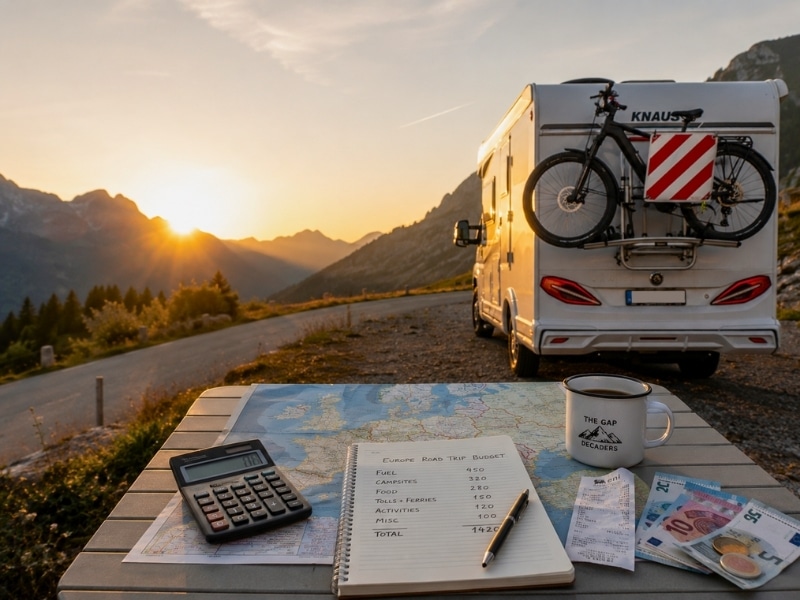
If you are planning a motorhome or campervan tour of Europe, one of the first questions you will ask is simple: how much is this actually going to cost? With rising fuel prices, shifting campsite fees and different costs from country to country, it can feel difficult to pin down a realistic budget before you set off.
The truth is that motorhome travel in Europe can cost vastly different amounts depending on how you do it. A two week summer road trip, moving every day and staying on serviced campsites, will look very different financially from a slow three month tour with regular off-grid stops. Where you travel matters too. Southern Europe is generally kinder on the wallet than Scandinavia or Switzerland, and toll roads and ferries can quietly inflate your spend if you are not prepared.
We base our figures on more than eight years of real life motorhome travel across Europe, in all seasons and across a wide range of countries. In this guide, we break down what it truly costs to live and travel in a motorhome in 2026, including all the costs most people don’t think about, so you can plan with clarity, confidence and a budget that works for you.
Motorhome Travel Costs in Europe Key Facts
What It Is: The Gap Decaders’ breakdown of the real costs of touring Europe in a motorhome, updated for 2026. Typical Costs: £19,710 a year, or £1,642.50 a month for two people, including fuel, food, overnight stops, insurance and other expenses. Best For: Couples planning an extended European motorhome trip or budgeting for full-time travel. Our Experience: Based on The Gap Decaders’ first-hand experience of motorhome touring across Europe, with costs adjusted to reflect 2026 prices.
Enjoy The Gap Decaders? Add us as a preferred source on Google.
Factors That Will Affect the Cost of Travelling Europe in a Campervan
When you are budgeting for living in a campervan in Europe, bear in mind the following:
The exchange rate may affect you if you are travelling long term and regularly need to change pounds into euros, or other currency.
The country you are travelling in will have a huge affect on budget. The per day costs of living in Spain for example, are less than half of that for Norway or Ireland.
Your choice to you use campsites, aires or free overnight wild camping spots will impact your costs significantly.
How far you want to travel and what type of roads you use will affect your fuel costs and travel bills.
Not all motorhomes are created equal. The vehicle age, engine size and the way you drive will affect your fuel consumption. If you are looking at used motorhomes for your Europe trip, check the efficiency online first.
The value, make and model of your motorhome can have a huge impact on insurance costs, especially if you require full-time insurance cover.
Sadly, your age will affect the cost of any travel or medical insurance, but our favourite travel insurers, True Traveller, are now covering travellers aged up to 75.
Your motorhome travel philosophy will probably have the biggest impact of all. How often you like to eat out, whether you’re a culture vulture and want to visit every museum or prefer a free hike, the wine you like to drink… all will affect your budget.
Complete Guide to Motorhoming in Europe
Planning a motorhome tour of Europe? We’ve put everything we’ve learned from years on the road into one practical guide.
From planning routes and understanding tolls and low emission zones to finding places to stay, managing costs and everyday life on the road, it’s packed with practical advice to help you tour Europe with confidence.
In this example year, from January to December, we spent three months in France, two months in Portugal, five months in Spain and two months in Norway. We updated these costs in 2026 to reflect the increased cost in fuel and living expenses across Europe.
Cost of Travelling Europe in a Motorhome by Length of Tour
ANNUAL
£19,710
MONTHLY
£1,642.50
WEEKLY
£379.04
DAILY
£54.00
Cost of Travelling Europe in a Motorhome By Category
Food: £3970
All groceries but not meals out
We generally shop at budget supermarkets like Lidl
Fuel: £4450
Diesel to cover 10k non-motorway miles at an average cost of 1.80p per litre and assuming 22mpg
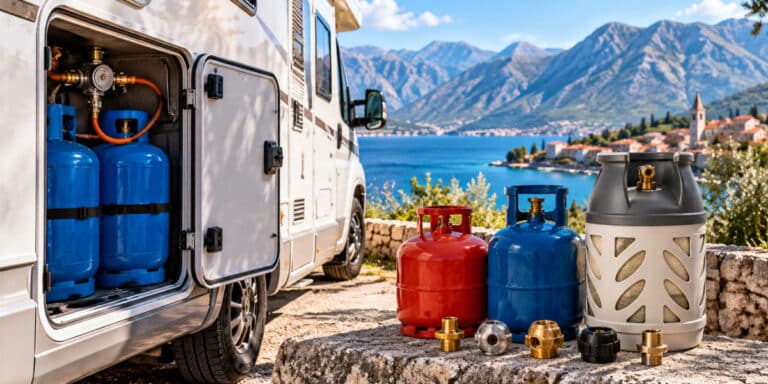
LPG (refillable) for heating, hot water, cooking and fridge
Insurance: £1880
365-day European motorhome insurance including breakdown cover
Equip your motorhome with the right accessories. Solar power will mean you can wild camp for longer and not pay for EHU where its an extra cost on a campsite. Refillable gas is much cheaper at the pump than continually replacing bottles and buying new country specific regulators.
It makes sense to get an ACSI camping card to help with the cost of campsites out of season – it will pay for itself even if you only use sites occasionally.
Shop daily or every couple of days if your trip itinerary allows. Motorhome fridges are not always that efficient if you’re traveling Europe in a motorhome in summer – we’ve found ourselves throwing food away.
Lidl is a popular budget supermarket across Western Europe. Did you know they source much of their fruit and veg locally? This means you’ll always get what’s in season with a low carbon footprint. Also, Lidl don’t have height barriers to their car parks and often provide motorhome parking spaces …the perfect supermarket!
Slow travel if you can, and really savour getting to know new places. You’ll use less fuel over a longer period of time, especially if you steer clear of driving on motorways and avoid toll roads.
Make sure that you use a card provider who doesn’t charge for overseas purchases or ATM withdrawals, or try an international transfer service like Wise, which also comes with a card.
Try and get breakdown cover (and travel insurance) with your bank if possible. Some motorhome insurers include breakdown cover at a much reduced cost.
Go dry for your trip… ok, just an idea!
We use a lot of data to manage our touring Europe in a motorhome blog, so our contract is expensive. Try looking at European data only sims for your time abroad and download when you’re in supermarkets, cafes and other places where wifi is provided free of charge.
Shop around for motorhome insurance and motorbike insurance if you carry one, and remember that if you’re full-timing, it will always be more expensive.
Take public transport when visiting a city. Camp on the outskirts and catch a train or bus into the centre. It’s safer to see cities in this way too.
Research what you can do for free when you visit new places. Museums often have days of the week when it’s free to visit, and some have a city pass which covers the cost of transport and attractions.
If you remain unsure about whether the budget is manageable, hire a motorhome for a few weeks to get a feel for costs.
Welcome to our comprehensive guide to motorhome toilets, where we’ll navigate you through the ins and outs of these essential facilities in your home on wheels. Whether you’re a seasoned motorhomer or a newbie to the world of van life, understanding the various types of toilets, their features, and maintenance can significantly enhance your road trip. Join us as we flush out all the details and make your journey on the open road a breeze!
In a motorhome, there’s no plumbing to take everything away, or fill everything up again. Your motorhome waste and water has to be managed on an almost daily basis. This easy guide to motorhome waste and water systems explains everything you need to know.
All modern motorhomes have an onboard leisure gas system fitted to fuel the water boiler, heating, fridge, gas hob and oven. There are several different ways that motorhome gas can be supplied and lots of confusing terminology, we’re here to take you through how motorhome gas systems work and which are the best options for your van.
If you live or travel in a motorhome then you need to know how to stay safe and keep on the right side of the law. You will find everything you need to know here about staying safe and legal in your motorhome.
Are you worried about how much stuff you need to carry in your motorhome? Have you been to the weighbridge and realised that your motorhome weight exceeds its maximum authorised mass? We’ve got lots of tips to help you manage your motorhome payload and stay safe on the road.
What is a motorhome habitation check? Do you need one? Lots of motorhome beginners ask these questions, so we’re here to explain everything you need to know about getting your motorhome checked over.
Expertise: road trips, motorhome travel, overlanding, long-term travel and travel planning. Likes: living in a box, wine and croissants!
Bio: Izzy Nicholls is a travel writer, author and co-founder of The Gap Decaders. Since 2018, she has travelled extensively across Europe and beyond by motorhome, overland truck and motorcycle. Izzy is the co-author of Selling Up to Live in a Motorhome and also writes contemporary women’s fiction as Izzy Kelly. Visit Izzy's author page
2 thoughts on “Motorhome Travel Costs in Europe: What You Can Expect in 2026”







Thank you 🙂
Awesome page and info Izzy! Thanks