
This post may contain affiliate links, from which we earn an income. Click here to read our affiliate policy.
A northern Italy road trip is one of the best ways to experience just how varied this country really is. Over the course of ten unforgettable days, you’ll travel from the fashion capital of Milan to the ancient streets of Rome, passing sparkling lakes, romantic canals, rolling Tuscan hills, and some of Italy’s most celebrated cities along the way. This itinerary combines iconic sights with quieter moments, giving you a taste of the art, history, landscapes, and regional traditions that make Italy so captivating.
From sipping an aperitivo beside Lake Como and getting lost in the narrow lanes of Venice to indulging in Bologna’s legendary food scene and wandering through Tuscany’s medieval hill towns, this northern Italy road trip offers a little bit of everything. Along the way, you’ll discover beautiful countryside, UNESCO World Heritage Sites, world-famous architecture, and countless opportunities to enjoy authentic Italian cuisine and local wines.
Having spent months exploring Italy ourselves, we’ve designed this itinerary to be realistic as well as inspiring. Rather than rushing from place to place, we’ve created a 10-day route that covers the highlights, with optional extras if you have more time. In this guide, we’ll share driving tips, recommended routes, the best things to see and do at each stop, and hotel suggestions to help you plan the perfect Italian road trip.
Northern Italy Road Trip: Key Facts
Route: The Gap Decaders’ 10-day Northern Italy road trip travels from Milan to Rome, taking in lakes, historic cities and the countryside of northern and central Italy.
Itinerary: The route includes Lake Como, Verona, Venice, Bologna and Tuscany, with optional extensions for travellers who have more time.
Time needed: Allow 10 days for the main itinerary, with extra days worthwhile if you want to slow the pace or add more stops along the route.
First-hand experience: The Gap Decaders’ recommendations are based on months spent travelling and road tripping throughout Italy.
Enjoy The Gap Decaders? Add us as a preferred source on Google.
Planning tools we actually use for Italian road trips
Northern Italy Road Trip Map and Itinerary
This map shows the main bases and driving route. You can save it to Google Maps for planning or offline use while driving.
Route: Milan → Lake Como → Verona → Venice → Bologna → Florence → Siena → Rome
Optional extras: Cinque Terre, Pisa, San Gimignano and Montepulciano will increase distance to ~1,450 km (900 miles)
Distance: ~1,150 km (715 miles)
Duration: Perfect for anyone planning a 10 day Italy itinerary with optional extras extending the trip to 12–14 days
Best time to go: April to June and September to October, when temperatures are pleasant, crowds are smaller, and driving conditions are ideal
Best for: This northern Italy itinerary is ideal for first-time visitors, food lovers, culture enthusiasts, scenic drives, and travelers wanting to combine iconic cities with the beauty of the Italian countryside
Day 1: Milan, Italy’s Stylish Gateway
Milan is often dismissed as simply Italy’s fashion capital, but this dynamic city has far more to offer than designer boutiques and impeccably dressed locals. As the starting point for this northern Italy road trip, it provides the perfect introduction to the country’s rich history, world-class art, and contemporary energy.
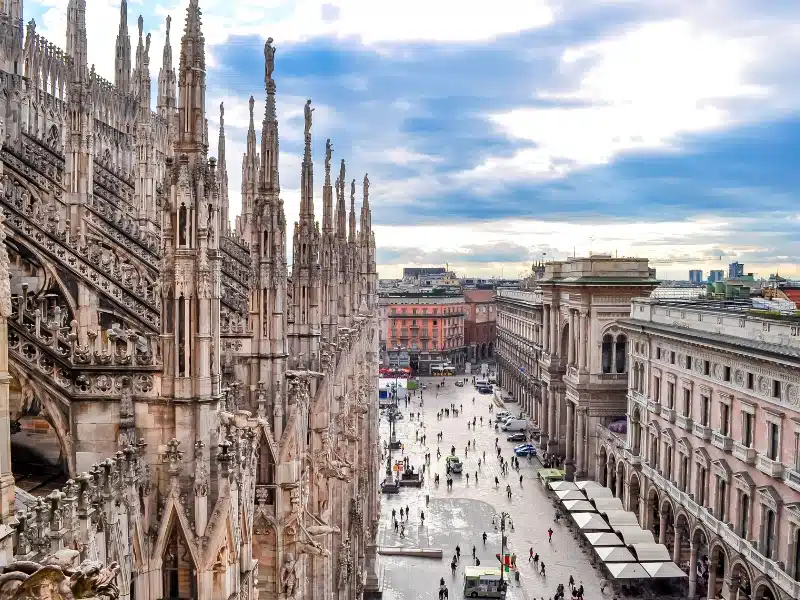
No visit to Milan is complete without seeing the magnificent Il Duomo di Milano. One of the largest cathedrals in the world, its elaborate Gothic façade is breathtaking from every angle. For the best experience, book tickets to access the rooftop terraces, where you’ll be rewarded with sweeping views across the city and a closer look at the cathedral’s intricate spires.
Another of Milan’s greatest treasures is Santa Maria delle Grazie, a UNESCO World Heritage Site that houses Leonardo da Vinci’s iconic masterpiece, The Last Supper. Painted between 1495 and 1497, the fresco remains one of the most celebrated works in Western art. Tickets sell out well in advance, so it’s worth planning ahead if this is high on your wish list.
Just a short stroll away, the elegant Galleria Vittorio Emanuele II offers a glimpse into Milan’s glamorous side. One of the world’s oldest shopping arcades, its soaring glass roof, mosaic floors, and grand architecture make it worth visiting even if luxury shopping isn’t on your agenda.
If your schedule allows for an extra day, consider a trip to Turin, Italy’s first capital. Known for its refined architecture and sophisticated atmosphere, Turin is home to the famous Turin Shroud in the Duomo di Torino. Keep an eye out for the Campanaria Duomo di Torino, which features the world’s only flying equestrian bronze statue.
Travel Tip: Milan’s neighbourhoods each have their own distinct personality. Navigli is famous for its canals, lively aperitivo scene, and nightlife, while Brera is the city’s artistic heart, filled with galleries, independent boutiques, and cultural attractions such as the Pinacoteca di Brera.
Where to Stay in Milan (1 night)
Upmarket: Portrait Milano is an elegant retreat set within a beautifully restored seminary, offering spacious suites, impeccable service, and one of the most desirable addresses in the city centre.
Mid-range: Aparthotel Meneghino is a stylish and practical option, combining modern apartment-style accommodation with an excellent location close to Milan’s major attractions.
Budget: 21 House of Stories Città Studi is a contemporary, design-led hotel with a sociable atmosphere, comfortable rooms, and a vibrant rooftop space popular with both visitors and locals.
Is this your first time visiting Italy? Get all the information you need in our Italy Travel Guide, including what to pack, the best time of year to go, getting there and practical tips to help you have the best trip!
Day 2: Lake Como, Italy’s Most Elegant Escape
Drive from Milan to Lake Como: Approximately 85 km (53 miles)
Driving time: Around 1 hour 15 minutes to 1 hour 30 minutes
Road conditions: The journey begins on the A9 motorway before giving way to narrower lakeside roads as you approach the towns around the lake. While the motorways are straightforward, expect slower traffic, tight bends, and limited parking in popular lakeside destinations, especially during peak season.
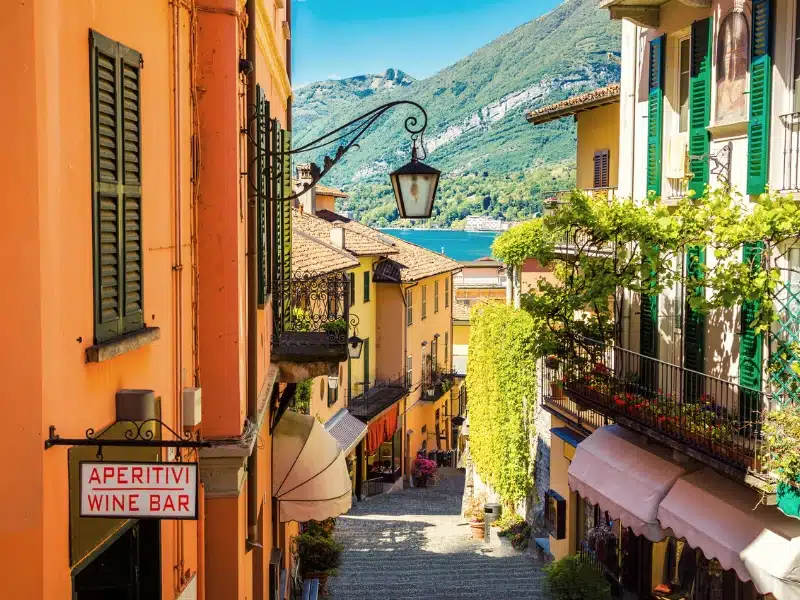
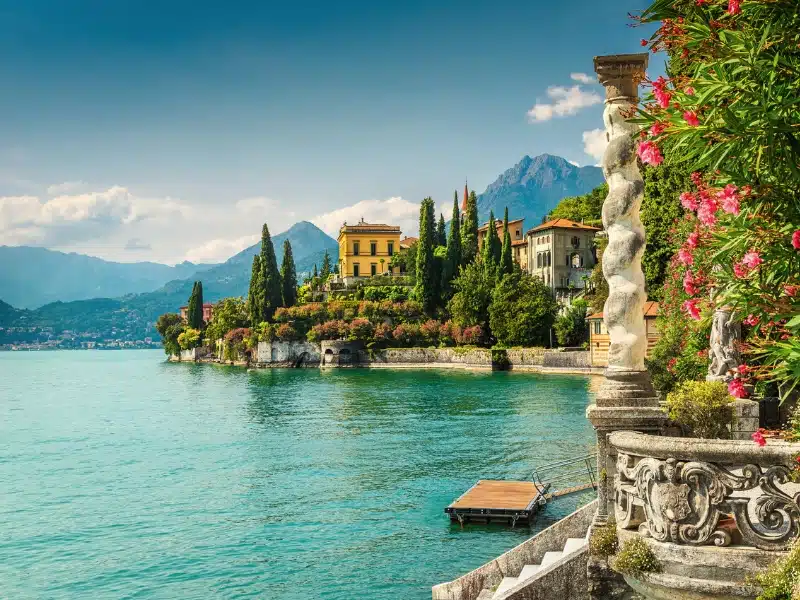
After the energy of Milan, Lake Como offers a complete change of pace. Framed by dramatic mountains and dotted with colourful villages, elegant villas, and cypress-lined gardens, it’s easy to see why this corner of Lombardy has long attracted aristocrats, artists, and modern-day celebrities.
You can spend your time here doing as much, or as little, as you like. Take a boat tour across the lake, paddle through its calm waters by kayak, sample local wines, or lace up your walking shoes and explore the hiking trails that weave through the surrounding hills and mountains. The scenery alone is reason enough to slow down and savour the experience.
The lake’s charming towns each have their own character. Como, the largest town on the lake, is home to the impressive Cathedral of Como and the Broletto, its medieval town hall. Bellagio, often called the Pearl of Lake Como, enchants visitors with its elegant villas, steep cobbled lanes, and beautiful waterfront setting. Menaggio offers a relaxed atmosphere and lovely lakeside promenades, while Varenna’s colourful houses and romantic alleyways make it one of the lake’s prettiest spots. Tremezzo is known for its grand villas and exquisite gardens, including the magnificent Villa Carlotta.
One of the best ways to experience Lake Como is from the water. Ferries connect many of the lakeside towns, allowing you to hop between destinations while enjoying uninterrupted views of the lake and the surrounding Alps.
Travel Tip: Take the funicular from Como up to Brunate for some of the best views in the region. The short journey lifts you high above the lake and rewards you with spectacular panoramas across Como, the surrounding mountains, and, on a clear day, as far as the Swiss Alps.
Where to Stay in Lake Como (1 night)
Upmarket: Villa Lario Resort Mandello is an intimate lakeside retreat with beautifully designed rooms, private gardens, and uninterrupted views across Lake Como.
Mid-range: Casa Olea Hotel is a stylish boutique property in a restored historic building, combining contemporary interiors with traditional Lake Como charm.
Budget: Residence Caffè Maya is a comfortable and welcoming base offering apartment-style accommodation within easy reach of the lake and surrounding attractions.
Day 3: Verona, Romance and Roman History
Drive from Lake Como to Verona: Approximately 180 km (112 miles)
Driving time: Around 2 hours 30 minutes to 3 hours
Road conditions: Mostly easy motorway driving via the A4 autostrada. Along the way, you’ll pass the southern shores of Lake Garda, making this one of the most scenic and straightforward drives of the itinerary. If time allows, consider stopping in Desenzano del Garda or Peschiera del Garda to stretch your legs and enjoy the lake views.
Verona may be forever associated with Shakespeare’s star-crossed lovers, but this elegant city offers far more than its romantic reputation. With Roman ruins, grand piazzas, medieval architecture, and a compact historic centre, it’s one of northern Italy’s most rewarding cities to explore.
The city’s standout attraction is the Arena di Verona, one of the best-preserved Roman amphitheatres in the world and a UNESCO World Heritage Site. Built in the first century, it still hosts performances nearly 2,000 years later. Join a guided tour to learn about its fascinating history, or, if your visit coincides with the summer opera season, secure tickets for an unforgettable evening beneath the stars. Watching productions such as Aida, Carmen, Rigoletto, Il Barbiere di Siviglia, or La Traviata within the ancient arena is a truly special experience.
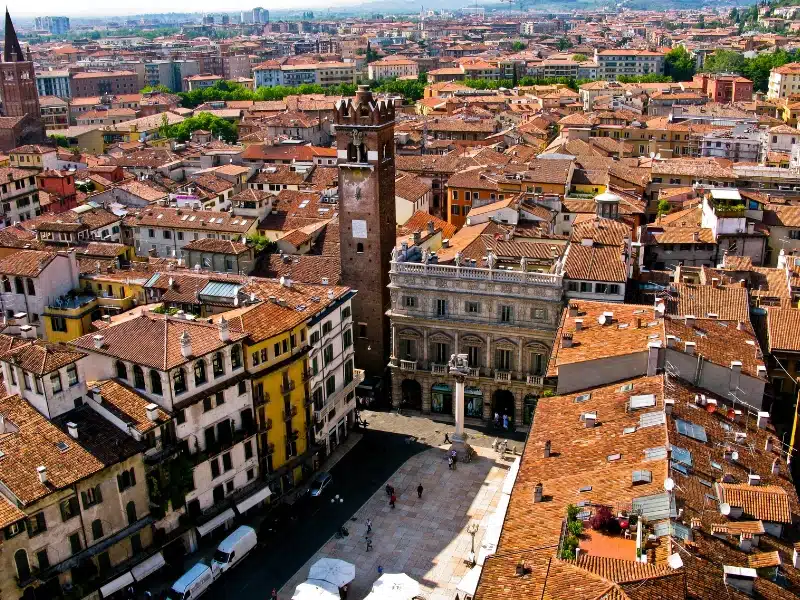
From here, wander through Piazza delle Erbe, Verona’s lively former market square, framed by colourful buildings, cafés, and historic frescoes. Nearby Piazza dei Signori offers a quieter atmosphere and elegant Renaissance architecture. History lovers should make time for Castelvecchio, a striking 14th-century fortress that now houses an impressive museum filled with paintings, sculptures, and medieval artefacts.
Of course, no visit to Verona would be complete without stopping by Juliet’s House. While the connection to Shakespeare’s heroine is largely symbolic, the famous balcony remains one of the city’s most photographed landmarks and a fun addition to your walking tour of the historic centre.
Travel Tip: If you have a little extra time on today’s drive, detour to Malcesine on Lake Garda and ride the cable car to Monte Baldo. The rotating cabins climb high above the lake, revealing spectacular views across Lake Garda and the surrounding Alps.
Where to Stay in Verona (1 night)
Upmarket: Due Torri Hotel is a refined five-star property housed in a historic palace, combining classic Italian elegance with a rooftop terrace overlooking Verona’s rooftops.
Mid-range: Hotel Accademia is a sophisticated city-centre hotel offering comfortable rooms and an unbeatable location within walking distance of Verona’s main attractions.
Budget: Leonardo Hotel Verona is a modern and practical choice with spacious rooms, excellent facilities, and easy access for road trippers arriving by car.
More Italian Travel Ideas






Days 4–5: Venice, Italy’s Floating Masterpiece
Drive from Verona to Venice: Approximately 120 km (75 miles)
Driving time: Around 1 hour 30 minutes
Road conditions: This is one of the easiest drives of the itinerary, following mostly flat motorways through the Veneto region. If you prefer a slower pace, the SS11 offers a more scenic alternative, passing through traditional towns and countryside. Padua makes an excellent stop along the way, particularly if you’d like to visit the beautiful Scrovegni Chapel.
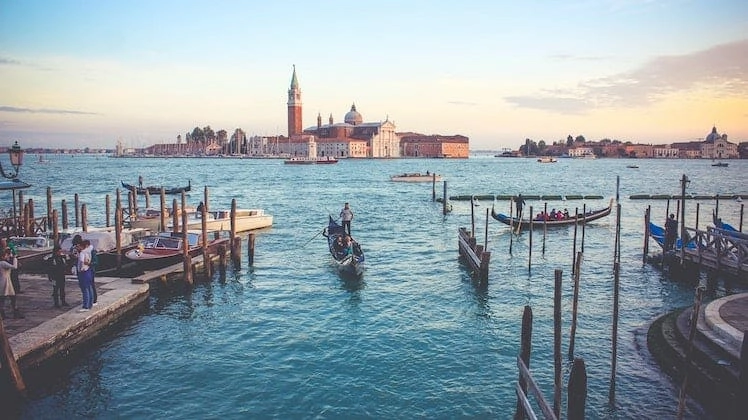
No matter how many photographs you’ve seen, nothing quite prepares you for Venice. Built across more than 100 small islands connected by canals and bridges, the city feels unlike anywhere else in the world. It may be the busiest stop on this northern Italy road trip, but it’s also one of the most memorable.
A gondola ride along the Grand Canal is one of Venice’s most iconic experiences. Gliding beneath centuries-old bridges and past elegant palazzos offers a completely different perspective of the city. It might be a splurge, but for many visitors it’s a once-in-a-lifetime experience that’s worth every euro. Expect to pay around €90 for a private gondola ride during the day and slightly more after sunset. If that’s outside your budget, vaporetto Line 1 follows much of the Grand Canal for a fraction of the cost.
Beyond the canals, Venice is packed with extraordinary landmarks. St Mark’s Basilica dazzles with its Byzantine mosaics and ornate interiors, while Piazza San Marco remains the city’s grand meeting place, lined with historic cafés and framed by magnificent architecture. Nearby, the Rialto Bridge spans the Grand Canal and provides some of Venice’s most recognisable views.
One of the best ways to experience Venice is simply to wander. Step away from the busiest thoroughfares and you’ll discover quiet canals, hidden courtyards, tiny neighbourhood churches, and family-run trattorias where the crowds seem to disappear.
Travel Tip: Cars are not permitted in Venice. Leave your vehicle at Piazzale Roma, where parking garages such as Garage San Marco offer secure spaces that can be reserved in advance. From there, you can walk into the historic centre or hop aboard a vaporetto, Venice’s public water bus. For a truly unforgettable arrival, book a private water taxi and glide through the canals as the city reveals itself from the water.
Where to Stay in Venice (2 nights)
Upmarket: Sina Centurion Palace is a luxurious five-star hotel set within a former monastery on the Grand Canal, combining contemporary style with spectacular waterfront views.
Mid-range: Palazzo Veneziano is a chic boutique hotel in the Dorsoduro district, offering elegant rooms and a quieter setting away from the busiest tourist areas while remaining within easy reach of Venice’s highlights.
Budget: Hotel Saturnia & International is a characterful family-run hotel just moments from St Mark’s Square, blending Venetian charm with a central location that’s ideal for first-time visitors.
RELATED POST: One Day in Venice: Best Itinerary, Map, Tips & Guide
Day 6: Bologna, Italy’s Underrated Food Capital
Drive from Venice to Bologna: Approximately 155 km (96 miles)
Driving time: Around 1 hour 45 minutes to 2 hours
Road conditions: The quickest route follows the A13 motorway through the Veneto and Emilia-Romagna regions, making for an easy and largely flat drive. If you have extra time, consider a detour to Ferrara, with its beautifully preserved Renaissance centre, or Rovigo, a quieter town set along the Adigetto River.
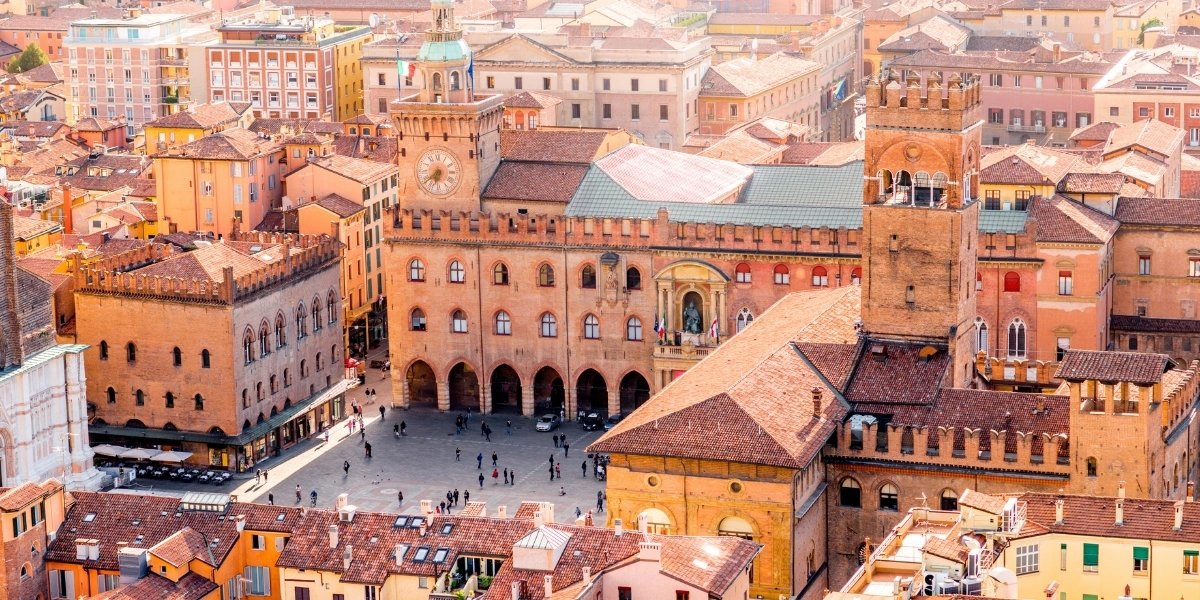
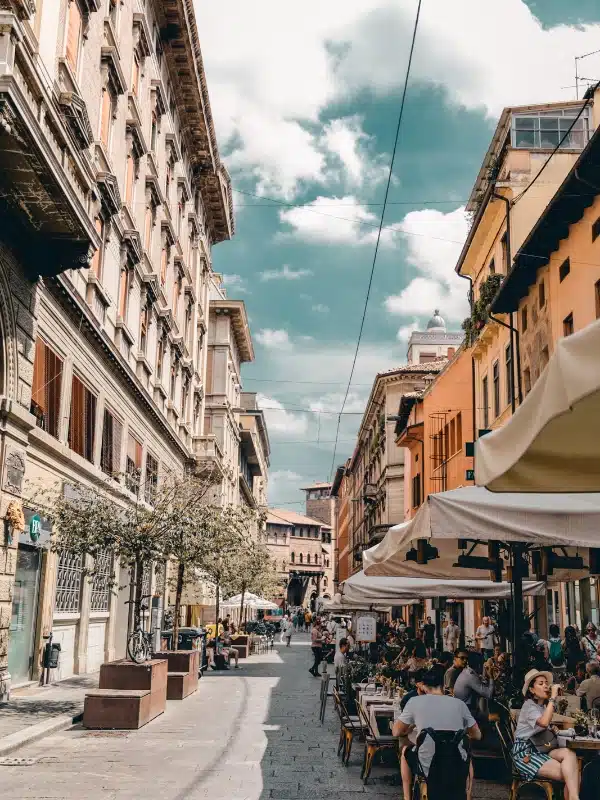
Often overlooked in favour of Italy’s bigger names, Bologna quickly wins visitors over with its rich history, extraordinary food scene, and effortlessly authentic atmosphere. Known locally as la Rossa, la Grassa e la Dotta – the red, the fat, and the learned – the city’s nickname perfectly sums up its character.
“The red” refers to the sea of terracotta rooftops that define Bologna’s skyline, while “the fat” celebrates the exceptional cuisine of Emilia-Romagna, the region that gave the world Parmigiano Reggiano, mortadella, balsamic vinegar, and fresh egg pasta. “The learned” honours the University of Bologna, founded in 1088 and recognised as the oldest university in the Western world.
As you explore the historic centre, you’ll quickly understand why Bologna is one of Italy’s most liveable cities. Its UNESCO-listed porticoes stretch for kilometres, sheltering elegant streets lined with cafés, independent shops, and bustling trattorias. Keep an eye out for the city’s most recognisable landmarks, the Due Torri, the leaning medieval towers that have watched over Bologna for centuries.
Food lovers will be in their element here. Join a traditional food tour to sample regional specialities, or venture beyond the city centre to visit the nearby Lamborghini and Ferrari museums. For panoramic views across Bologna’s rooftops, head up to the Sanctuary of the Madonna di San Luca, perched on a hill overlooking the city and connected to the centre by the world’s longest portico.
Travel Tip: Bologna is one of Italy’s best cities for eating well without spending a fortune. If you prefer to explore independently, follow our self-guided food trail through traditional osterias, historic delicatessens, and local wine bars. Don’t miss the chance to watch fresh pasta being made by hand, a daily ritual that remains part of Bologna’s culinary identity.
Where to Stay in Bologna (1 night)
Upmarket: Grand Hotel Majestic già Baglioni is Bologna’s most prestigious address, occupying an 18th-century palace filled with antique furnishings, frescoed ceilings, and old-world Italian elegance.
Mid-range: PHI Hotel Al Cappello Rosso is a charming boutique hotel in the heart of the historic centre, combining contemporary comfort with centuries of character.
Budget: The Social Hub Bologna is a stylish and sociable option offering modern rooms, co-working spaces, and a lively atmosphere within easy reach of the city’s main attractions.
Optional Extra: Cinque Terre, Colourful Villages on the Ligurian Coast
Detour from: Bologna to Florence
Distance: Approximately 225 km (140 miles) from Bologna to Monterosso al Mare
Driving time: Around 2 hours 45 minutes to 3 hours
Road conditions: Mostly motorway driving before transitioning to narrow, winding coastal roads. Parking is limited and expensive in Cinque Terre, so it’s often easier to leave your car at your accommodation and use the local train network between villages.
How long do you need? 1 to 2 days
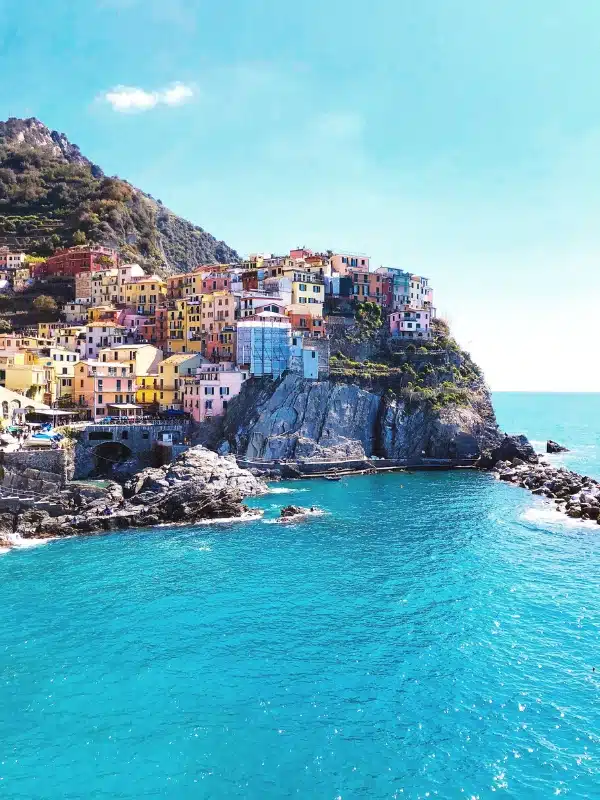
Cinque Terre feels a world away from Italy’s grand cities. Perched dramatically on the Ligurian coastline, the five villages of Monterosso al Mare, Vernazza, Corniglia, Manarola, and Riomaggiore are famous for their colourful houses, terraced vineyards, and breathtaking sea views.
Spend your time hopping between villages by train, hiking the scenic coastal paths, or lingering over seafood lunches overlooking the Mediterranean. Vernazza is often considered the prettiest of the five, while Manarola’s harbour is one of Italy’s most photographed spots.
Adding Cinque Terre to your itinerary requires a slight detour, but if you’ve always dreamed of experiencing Italy’s iconic coastline, it’s absolutely worth the extra time.
Where to Stay in Cinque Terre
Upmarket: Sesta Terra is a peaceful hillside retreat overlooking the Ligurian coastline, offering contemporary suites, panoramic terraces, and a relaxing atmosphere away from the busiest village centres.
Mid-range: Ca’ D’Andrean is a charming, family-run guesthouse in Manarola, known for its warm hospitality, bright rooms, and excellent location just a short walk from the harbour and train station.
Budget: La Taverna del Metallo Rooms is a simple and comfortable base in the heart of La Spezia, making it an affordable option for travellers exploring Cinque Terre using the convenient local train network.
Optional Extra: Pisa, Home of Italy’s Most Famous Tower
Detour from: Cinque Terre to Florence, or as a day trip from Florence
Distance: Approximately 85 km (53 miles) from Florence
Driving time: Around 1 hour 15 minutes
Road conditions: Easy motorway driving via the A11, with straightforward access into Pisa. Parking is available just outside the historic centre.
How long do you need? Half a day
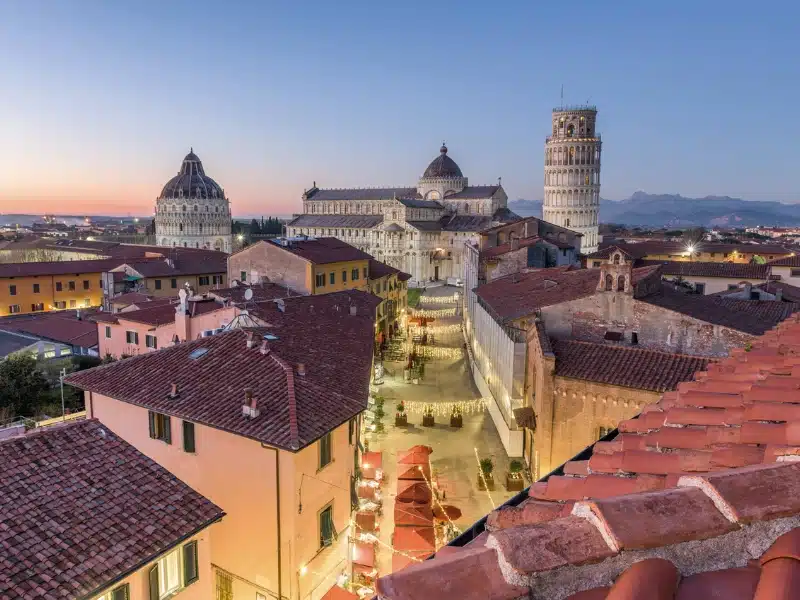
Pisa is often reduced to a quick photo opportunity, but there’s more to this historic university city than its famous leaning landmark.
The Piazza dei Miracoli is home to the Leaning Tower of Pisa, the magnificent cathedral, baptistery, and monumental cemetery, all set within an impressive UNESCO World Heritage Site. If you’re feeling energetic, climb the tower’s spiral staircase for panoramic views across the city.
While most visitors spend just a few hours here, Pisa makes an easy and worthwhile addition to your northern Italy road trip.
Days 7–8: Florence, the Heart of Tuscany
Drive from Bologna to Florence: Approximately 105 km (65 miles)
Driving time: Around 1 hour 30 minutes to 2 hours
Road conditions: The fastest route follows the A1 motorway through the Apennine Mountains, passing through a series of tunnels and rolling landscapes before arriving in Tuscany. If you have extra time, the scenic roads through the countryside offer beautiful views, although they add to the journey time.
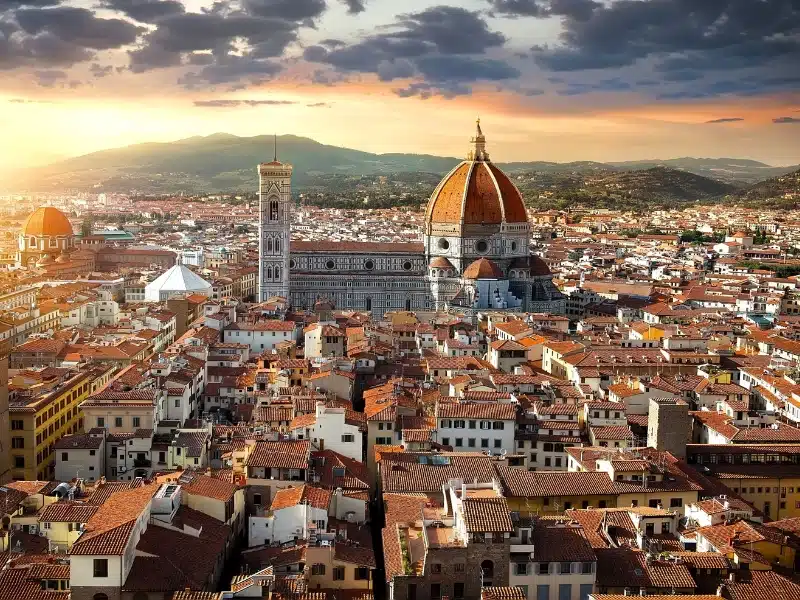
Florence is one of those cities that somehow exceeds expectations. Widely regarded as the birthplace of the Renaissance, it is a place where masterpieces hang in world-famous galleries, magnificent churches dominate the skyline, and centuries of history unfold around every corner. Spending two nights here allows you to slow down and appreciate the city rather than rushing between its highlights.
The city’s most recognisable landmark is the Cathedral of Santa Maria del Fiore, better known as the Duomo. Its striking red-tiled dome, engineered by Brunelleschi, transformed Renaissance architecture and still defines Florence’s skyline today. Climb to the top for spectacular views across the city, or simply admire the intricate marble façade from the bustling Piazza del Duomo below.
Art lovers are spoiled for choice in Florence, but the Uffizi Gallery is unmissable. One of the world’s most celebrated museums, its collection includes masterpieces by Botticelli, Michelangelo, Leonardo da Vinci, and Raphael. Nearby, the Ponte Vecchio stretches across the River Arno, lined with historic jewellery shops and offering one of Florence’s most iconic views.
The famous Accademia Gallery houses Michelangelo’s David, one of the world’s most recognisable sculptures and another essential Florence experience.
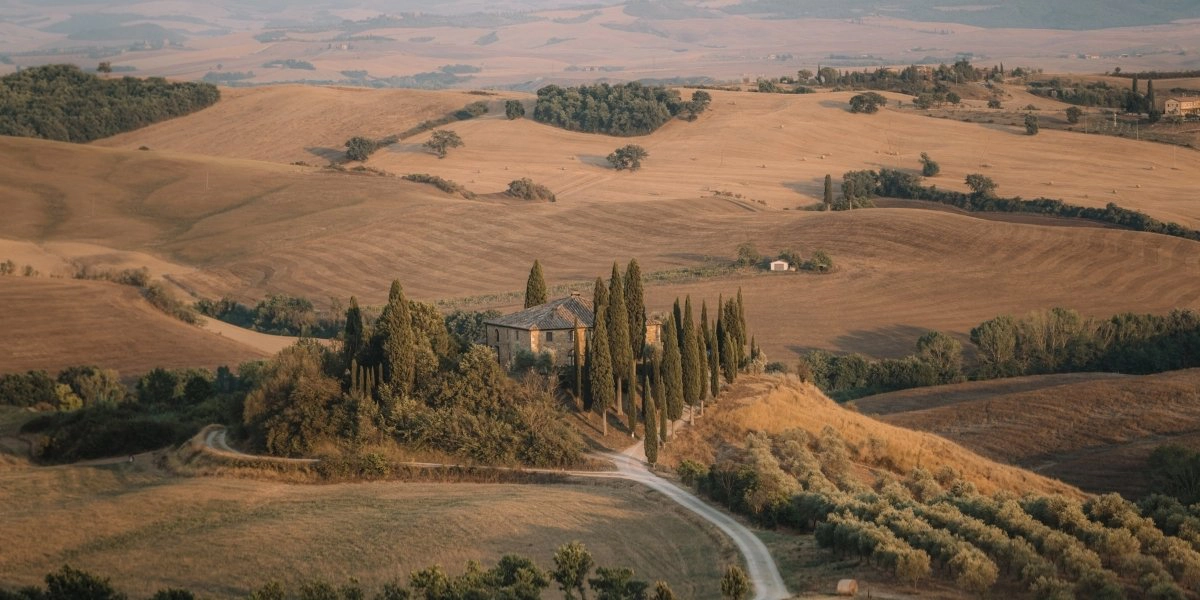
Florence also makes the perfect base for experiencing the wider Tuscan countryside. Just beyond the city lies the Chianti region, where rolling vineyards, medieval villages, cypress-lined roads, and centuries-old estates produce some of Italy’s most celebrated wines. Whether you join a guided excursion or set out independently, a visit to a local winery is one of the highlights of any Tuscany itinerary. Alongside full-bodied Chianti wines, you’ll find exceptional olive oils, cured meats, and the relaxed pace of rural Italian life.
Travel Tip: Florence’s historic centre is compact and best explored on foot. If you’re travelling by car, choose accommodation with parking or use one of the city’s garages outside the ZTL (limited traffic zone), as driving restrictions are strictly enforced and fines can catch out unsuspecting visitors.
Where to Stay in Florence (2 nights)
Upmarket: Hotel Spadai is an elegant boutique hotel just steps from the Duomo, combining sophisticated interiors with thoughtful touches and an unbeatable location.
Mid-range: SoprArno Suites is a characterful guesthouse housed in a historic Florentine palazzo, offering individually designed rooms filled with vintage charm and artistic flair.
Budget: Hotel Perseo is a welcoming family-run hotel with comfortable rooms and a fantastic central location, making it an excellent base for exploring Florence on foot.
RELATED POST: One Day in Florence – Itinerary, Map, Tips & Guide
Optional Extra: San Gimignano, Tuscany’s Medieval Manhattan
Detour from: Florence to Siena
Distance: Approximately 60 km (37 miles) from Florence
Driving time: Around 1 hour 15 minutes
Road conditions: Scenic Tuscan country roads winding through vineyards, olive groves, and hilltop villages. Roads are generally quiet but can be narrow in places.
How long do you need? Half a day to 1 day
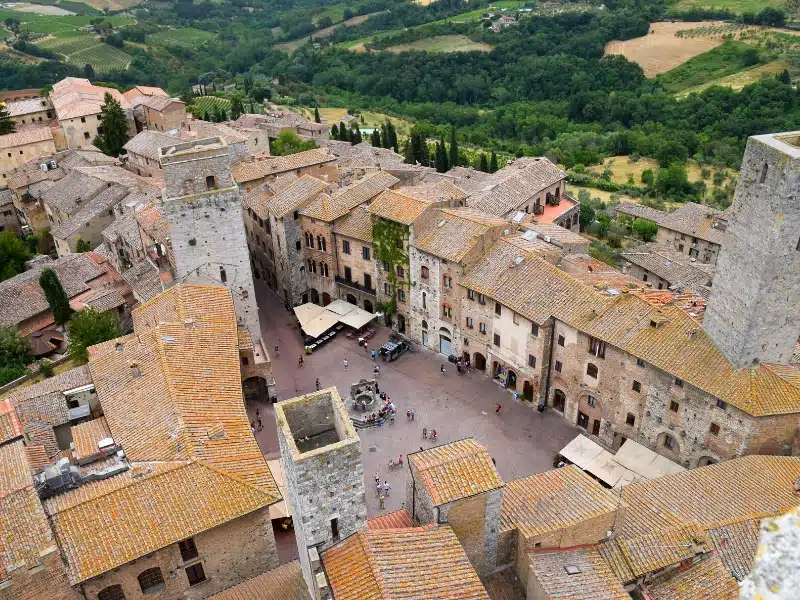
Rising above the Tuscan countryside, San Gimignano is instantly recognisable thanks to its medieval skyline of soaring stone towers. Once built by wealthy families competing to display their status, these towers have earned the town the nickname “Medieval Manhattan”.
Wander its cobbled lanes, browse artisan shops, and admire sweeping views from the ancient walls. Don’t miss Piazza della Cisterna, the town’s picturesque main square, or the chance to sample award-winning gelato from Gelateria Dondoli.
San Gimignano works perfectly as a leisurely stop between Florence and Siena, breaking up the journey while showcasing a different side of Tuscany.
Day 9: Siena, Tuscany’s Medieval Treasure
Drive from Florence to Siena: Approximately 80 km (50 miles)
Driving time: Around 1 hour 30 minutes
Road conditions: Skip the motorway and take the scenic SR222, better known as the Chiantigiana. This beautiful route winds through the heart of Tuscany, passing vineyards, olive groves, and hilltop villages. If you’ve chosen to include San Gimignano as an optional extra, allow additional time for the detour. Monteriggioni, with its perfectly preserved medieval walls, also makes an excellent stop along the way.
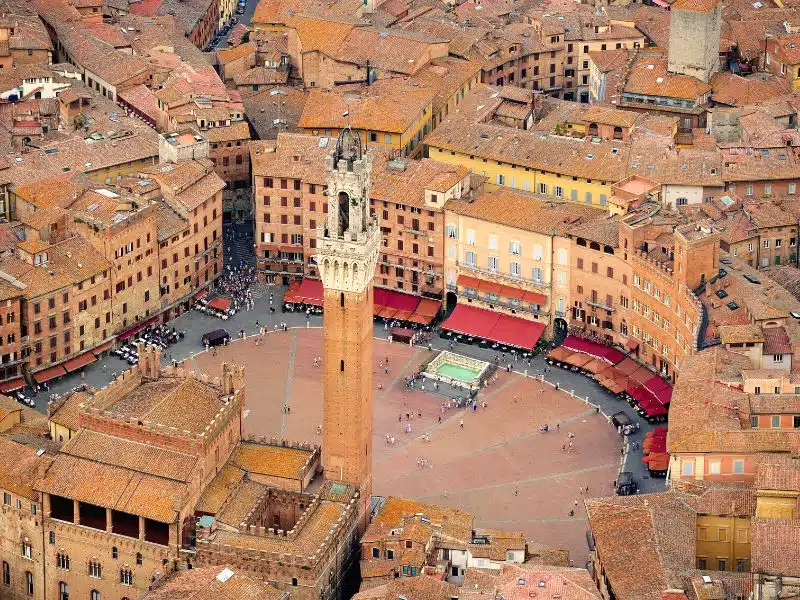
Few places capture the romance of Tuscany quite like Siena. With its narrow cobbled streets, honey-coloured buildings, and remarkably preserved medieval centre, the city feels as though it has barely changed for centuries. Recognised as a UNESCO World Heritage Site, Siena offers a more intimate and authentic atmosphere than Florence, making it one of the highlights of this northern Italy road trip.
At the heart of the city lies Piazza del Campo, one of Europe’s most beautiful public squares. Its distinctive shell-shaped design is best known as the setting for the Palio di Siena, the thrilling horse race that takes place twice each summer and has been part of the city’s identity for hundreds of years. Even outside race days, the piazza is a wonderful place to pause with a coffee and soak up the atmosphere.
Siena’s magnificent cathedral is another must-see. The Duomo di Siena is a Gothic masterpiece adorned with striped marble, intricate carvings, and one of Italy’s most extraordinary marble mosaic floors. Nearby, the Torre del Mangia rewards those willing to climb its steps with sweeping views across Siena’s terracotta rooftops and the surrounding Tuscan countryside.
History lovers should also make time for the Palazzo Comunale and Museo Civico, while the Basilica of San Domenico houses important religious relics connected to Saint Catherine of Siena. However, one of Siena’s greatest pleasures is simply wandering its maze of medieval lanes, discovering hidden courtyards, artisan shops, and quiet corners away from the main sights.
Plan a leisurely lunch near Piazza del Campo and sample some of Tuscany’s traditional dishes. Ribollita, a hearty soup made with vegetables, beans, and bread, is a local favourite and the perfect comfort food after a morning of sightseeing.
Travel Tip: Siena’s historic centre is largely pedestrianised, so use one of the designated car parks outside the city walls and walk into town.
Where to Stay in Siena (1 night)
Upmarket: Palazzetto Rosso Art Hotel is a beautifully restored boutique property that blends original frescoes and historic features with contemporary design in the heart of Siena.
Mid-range: Hotel Athena is a comfortable and welcoming hotel just outside the historic centre, offering panoramic views of the Tuscan countryside and convenient on-site parking.
Budget: Hotel Palazzo di Valli is a charming family-run villa surrounded by olive trees and gardens, providing a peaceful retreat within easy reach of Siena’s main attractions.
RELATED POST: Tuscany Road Trip: Itinerary, Map & Tips
Optional Extra: Montepulciano, Tuscany’s Hilltop Wine Haven
Detour from: Siena to Rome
Distance: Approximately 55 km (34 miles) from Siena
Driving time: Around 1 hour
Road conditions: Beautiful rolling country roads through southern Tuscany. The approach to Montepulciano involves steep climbs and narrow streets, so use one of the car parks outside the historic centre and explore on foot.
How long do you need? Half a day to 1 day
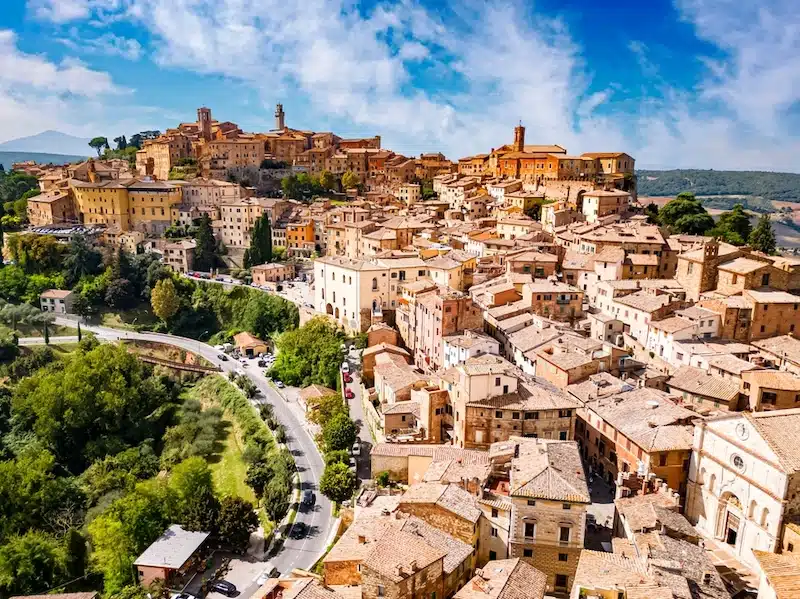
If you love wine, Montepulciano deserves a place on your itinerary. This elegant hill town is renowned for Vino Nobile di Montepulciano, one of Tuscany’s most celebrated red wines, and offers some of the region’s most spectacular scenery.
The real joy of this detour is the drive itself. The route from Siena to Montepulciano takes you through the UNESCO-listed Val d’Orcia, a landscape that has become synonymous with Tuscany. Expect rolling hills dotted with cypress trees, honey-coloured farmhouses, vineyards stretching towards the horizon, and winding roads that seem designed for leisurely road trips. If time allows, stop in Pienza, famous for its pecorino cheese and Renaissance architecture, or San Quirico d’Orcia, a charming medieval village that many visitors simply drive past.
Once in Montepulciano, stroll along the atmospheric Corso, admire the Renaissance architecture of Piazza Grande, and descend into centuries-old wine cellars carved beneath the town’s palaces. Many offer tastings, allowing you to sample local vintages just steps from where they’ve been produced for generations.
Less crowded than some of Tuscany’s better-known destinations, Montepulciano offers a slower, more authentic glimpse into Italian life and makes a wonderful addition before continuing on to Rome.
Day 10: Rome, the Eternal City
Drive from Siena to Rome: Approximately 235 km (146 miles)
Driving time: Around 2 hours 45 minutes to 3 hours
Road conditions: The route follows the A1 motorway for much of the journey, making it one of the easiest drives of the itinerary. Traffic can become heavy as you approach Rome, particularly during summer and around peak commuting times, so allow extra time for the final stretch. Once you arrive, it’s best to return your rental car or leave it in a secure parking garage, as Rome’s historic centre is best explored on foot.
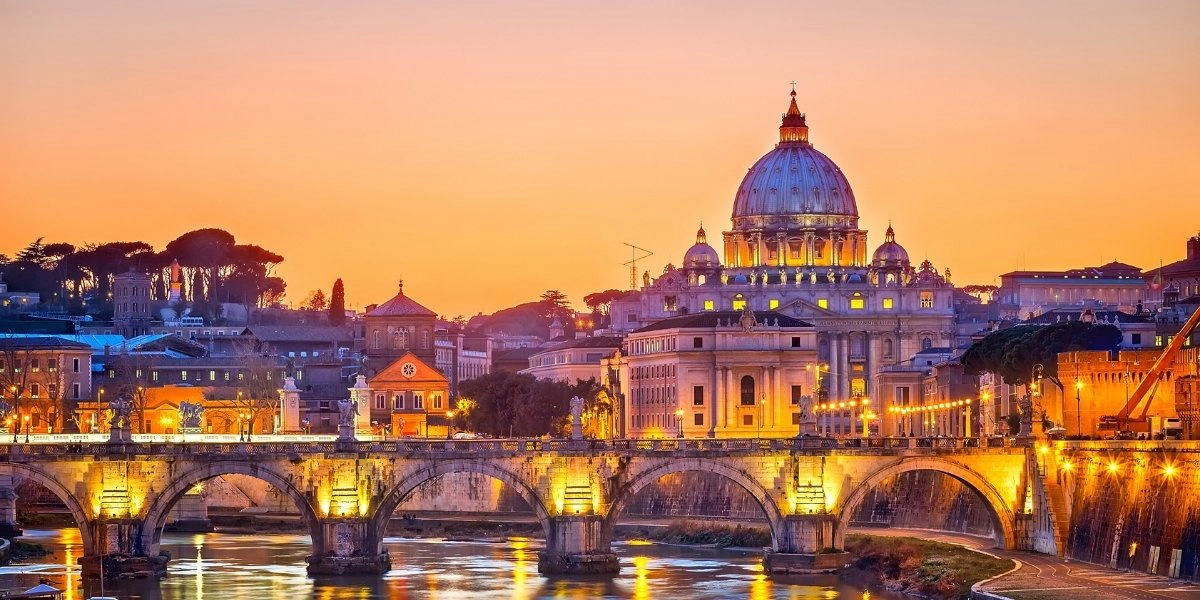
After winding through Tuscany’s medieval towns and rolling countryside, arriving in Rome feels like stepping onto the grand stage of history. Italy’s capital is a city where ancient ruins sit alongside Baroque fountains, Renaissance churches, and bustling piazzas, creating one of the world’s most extraordinary urban landscapes.
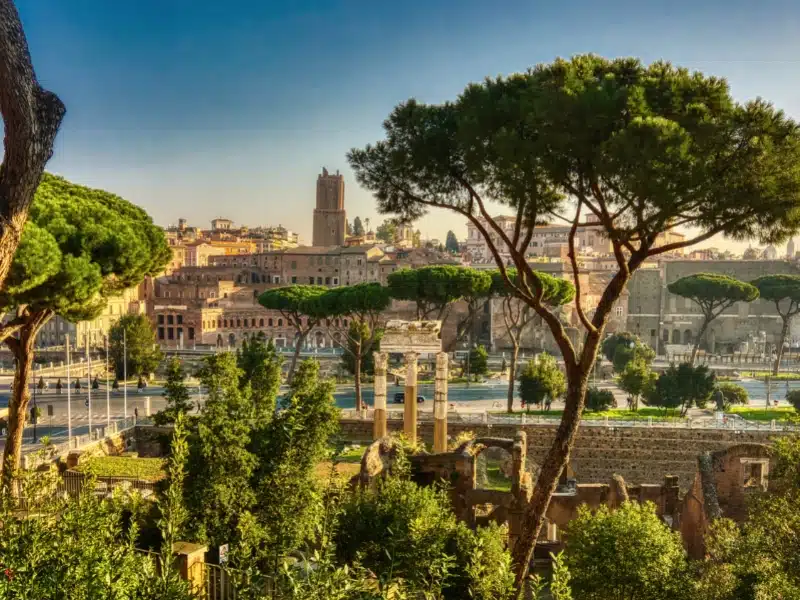
The Colosseum is undoubtedly Rome’s most iconic landmark. Once the setting for gladiatorial contests and public spectacles, this vast amphitheatre offers a fascinating glimpse into the power and ambition of the Roman Empire. Nearby, the Roman Forum reveals the remains of temples, government buildings, and public spaces that once formed the heart of ancient Rome.
No first visit is complete without tossing a coin into the Trevi Fountain or standing beneath the perfectly preserved dome of the Pantheon, one of the greatest architectural achievements of the ancient world. A wander through Rome’s historic centre will also bring you to Piazza Navona, with its elegant fountains and lively atmosphere, and the Spanish Steps, where visitors gather to admire the views and soak up the city’s unmistakable energy.
Within Rome lies another country entirely. Vatican City, the smallest independent state in the world, is home to St Peter’s Basilica, the Sistine Chapel, and some of the most important artistic treasures ever created. Even if you’re not particularly interested in religion, the scale and beauty of the Vatican’s masterpieces make it an essential stop.
Of course, Rome is also one of Italy’s great food cities. From traditional Roman pasta dishes such as cacio e pepe and carbonara to crispy pizzas, creamy gelato, and leisurely evenings spent over a glass of wine, there’s no better place for ending this unforgettable Italy road trip itinerary.
Travel Tip: If you’re flying home from Rome, consider returning your hire car at the airport and taking public transport into the city. Driving in central Rome can be stressful, and the city’s compact historic centre is far easier to navigate on foot.
Where to Stay in Rome (1-2 nights)
Upmarket: Casa Fabbrini Bocca di Leone is an elegant boutique guesthouse tucked away on a quiet street near the Spanish Steps, offering beautifully designed rooms and an intimate, residential feel.
Mid-range: Tree Charme Augusto Boutique Hotel is a stylish property close to Piazza Navona, combining contemporary comfort with a fantastic location in the heart of historic Rome.
Budget: Viminale View Hotel is a modern and well-located option near Roma Termini, making it a practical base for sightseeing and onward travel.
RELATED POST: Rome in a Day: Best Itinerary, Map, Tips & Guide
Planning Your Northern Italy Road Trip
Before You Go
Getting to Northern Italy
One of the reasons this itinerary works so well is because it’s incredibly easy to access. Milan and Rome are both served by major international airports, making them the perfect start and end points for a one-way road trip through Italy.
Fly into Milan Malpensa Airport to begin your adventure and make your way south through Italy before finishing in Rome. This route avoids unnecessary backtracking and allows you to experience the incredible variety of northern and central Italy in just ten days.
To find the best flight deals, we recommend using Skyscanner, which compares airlines and departure airports to help you secure the best prices and most convenient routes.
Hiring a Car in Italy
Whether you’re travelling by car, motorcycle, campervan, or motorhome, self-driving is undoubtedly the best way to explore this spectacular part of Italy.
Having your own vehicle gives you the freedom to stop at scenic viewpoints, linger over long lunches in hilltop villages, visit places you discover along the way, and change your plans at the last minute. While Italy’s train network is excellent, it simply can’t compete with the flexibility of a road trip.
If you’re planning to hire a car, we recommend Discovercars.com. As one of the world’s largest car hire comparison sites, they use their extensive purchasing power to secure competitive rates from major providers, helping you find the best value for your Italian road trip.
For those looking for a bigger adventure, consider exploring Italy by campervan or motorhome. Motorhome Republic compares options from a wide range of rental companies and offers expert support to help you find the right vehicle for your trip.
Travel Tip: Non-EU visitors planning to rent a vehicle in Italy may require an International Driving Permit (IDP) in addition to their full driving licence. Check the latest requirements before you travel to avoid any unexpected surprises at the rental desk.
Driving in Italy
You’ll often hear people say that driving in Italy is chaotic, stressful, or something to be avoided altogether. In our experience, that’s far from the truth.
Yes, Italian drivers can be more assertive than you may be used to, but the country’s roads are generally well maintained and straightforward to navigate. The motorways are efficient, while the scenic country roads through regions such as Tuscany often become some of the highlights of the trip.
The one thing every visitor should understand before getting behind the wheel is Italy’s ZTL system (Zona a Traffico Limitato). Many historic city centres restrict vehicle access, and entering these zones without permission can result in fines arriving long after you’ve returned home. Always check whether your accommodation sits within a ZTL and where the nearest parking facilities are located.
Take your time, drive defensively, and embrace the freedom that comes with having your own wheels. A northern Italy road trip is one of the most rewarding ways to experience the country.
The Best Time for a Northern Italy Road Trip
Spring: March to May
Spring is one of the loveliest times to explore northern Italy. Wildflowers bloom across the countryside, mountain landscapes turn vibrant green, and outdoor cafés begin to spill onto the streets. Temperatures are comfortable, attractions are open, and you’ll encounter fewer crowds than in summer.
Summer: June to August
Summer brings long days, beautiful weather, and the chance to dine outdoors late into the evening. Lake Como, Venice, and Tuscany are at their most vibrant, although this is also the busiest and hottest time of year. Expect larger crowds and higher prices, particularly in popular destinations.
Autumn: September to November
Autumn is arguably the sweet spot for this itinerary. Vineyards and olive groves come alive during the harvest season, food festivals celebrate regional produce, and the Tuscan countryside glows with rich autumn colours. Mild temperatures and fewer visitors make this a fantastic time for a road trip.
Winter: December to February
Winter reveals a quieter side of northern Italy. While temperatures can be cold and some seasonal attractions may reduce their opening hours, you’ll benefit from fewer tourists and a more relaxed atmosphere. If you visit in February, you’ll also have the opportunity to experience one of Italy’s most famous celebrations: the spectacular Carnival of Venice.
More Road Trip Ideas to Explore
Best UK Road Trips: 18 Scenic Routes to Explore

Portugal Road Trip: The Ultimate 10 Day Itinerary

Europe Road Trip: 28 Epic Routes You Can Actually Drive

European Road Trip: Six Countries in 90 Days
Germany Road Trip: 12 Unmissable Routes

France Road Trip: 13 Amazing Itineraries
Love it? Pin it!


