This post may contain affiliate links, from which we earn an income. Click here to read our affiliate policy.
A gap decade is an extended period of travel, typically taken in mid-life or early retirement, lasting months to years rather than the traditional gap year. The Gap Decaders is a travel media brand founded on this concept by Phil and Izzy, who left their careers in 2018 to travel full-time by motorhome across Europe.
For us, the idea came from a simple question: why should gap years be reserved for young people? We’d reached our fifties, our children were grown up and we didn’t want to wait until conventional retirement to start seeing more of the world.
So we sold our house and most of our possessions, left our jobs and bought a motorhome. What was originally going to be a two-year adventure became a completely different way of life, and more than 130,000 miles later, we’re still travelling.
Gap Decade Travel Key Facts
What it is: The Gap Decaders’ guide to gap decade travel explains what a gap decade is, how it differs from a traditional gap year and why extended travel in mid-life or early retirement is becoming an alternative to waiting for conventional retirement.
Who it’s for: This guide is for mid-lifers, empty nesters, pre-retirees and anyone considering stepping away from conventional working life to travel for an extended period.
The Gap Decaders: The Gap Decaders is a travel media brand founded on the gap decade concept by Phil Kelly and Izzy Nicholls, who left their careers in 2018 to travel full-time by motorhome across Europe.
First-hand experience: We have been travelling full-time and living the gap decade concept since 2018, covering more than 130,000 miles across Europe and beyond in motorhomes and overland vehicles.
Enjoy The Gap Decaders? Add us as a preferred source on Google.
What Is a Gap Decade?
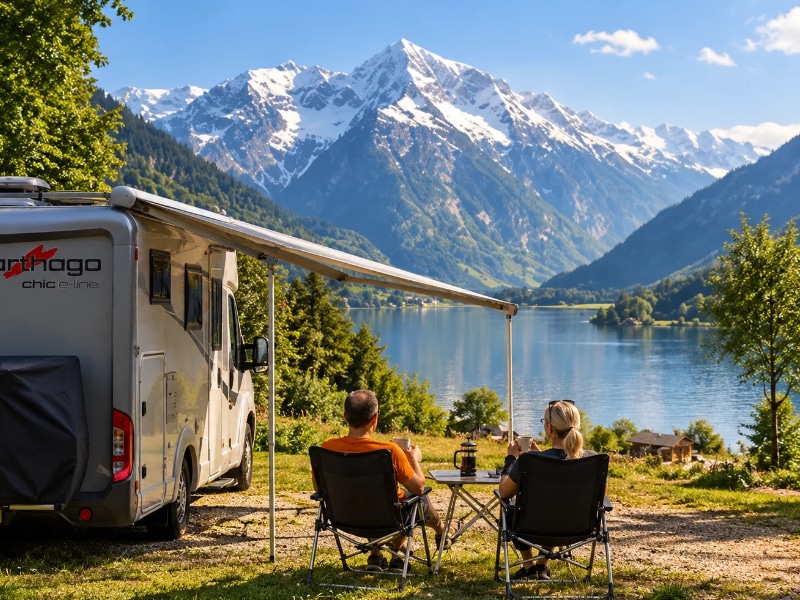
A gap decade is the mid-life equivalent of a gap year: an extended period when you step away from the conventional cycle of work and short holidays to make travel a much bigger part of your life.
Despite the name, a gap decade doesn’t have to last exactly ten years. It might be a few years of full-time travel, a longer period of slow travel with regular returns home, or a complete lifestyle change that continues indefinitely. What matters is having the time and freedom to travel differently, staying longer, going further and allowing plans to change along the way.
For many people, the opportunity comes in their fifties or sixties. Children may have left home, mortgages may be smaller or paid off, careers may feel less important and retirement is suddenly close enough to think seriously about what comes next. A gap decade brings some of those plans forward, using the years when you have more freedom but are still young enough to embrace the adventure.
There is no prescribed way to take one either. You could travel Europe in a motorhome, backpack around the world, spend several months at a time living in different countries, sail, house-sit or simply travel slowly between places you’ve always wanted to explore. A gap decade is less about how you travel and more about giving yourself the time to do it.
Gap Decade vs Gap Year
The traditional gap year is usually associated with young adults taking time out between education and starting a career. A gap decade comes at the other end of working life, when you have experience behind you, fewer responsibilities at home and, hopefully, a little more money to make long-term travel possible.
There are practical differences too. Gap decade travel is generally slower and less about ticking off destinations. Having months or years available means you can spend longer in one country, travel outside peak seasons, change your route when something interesting comes up and stop for a while when you find somewhere you love.
Mid-life travel also brings different priorities. Comfort tends to matter more, budgets may be larger, and many gap decaders want some sort of base or home on the road. That makes motorhomes, campervans, caravans and overland vehicles particularly well suited to this style of travel.
But the principle behind both is much the same: taking a significant chunk of time out from the life you’re expected to lead and using it to see more of the world.
Who Takes a Gap Decade?
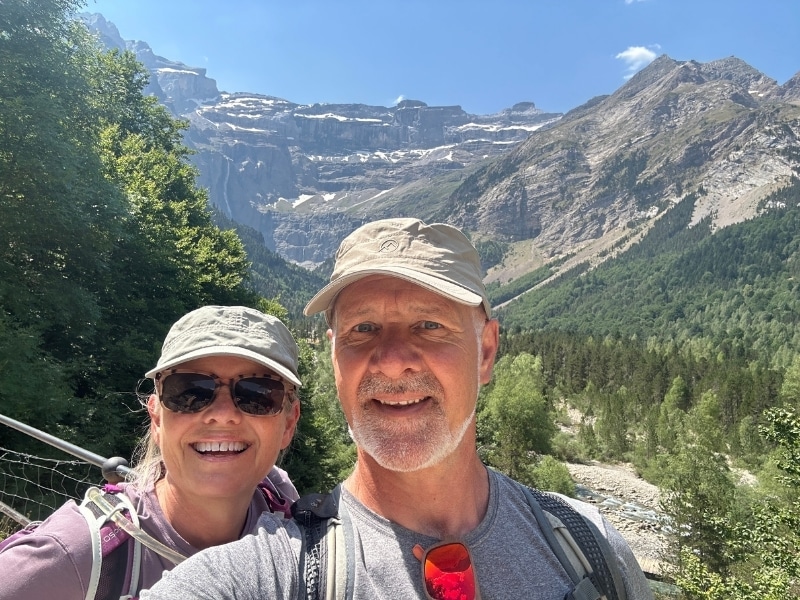
There is no typical gap decader, but the opportunity often appears in mid-life when some of the commitments that have shaped the previous twenty or thirty years begin to change.
Children grow up and leave home, mortgages come to an end and careers reach a point where stepping away feels possible. Some people take early retirement, others sell a business or take redundancy, and many find ways to work remotely or earn an income while they travel.
Empty nesters are particularly well placed to consider a gap decade. After years of organising life around work, school terms and family commitments, suddenly having fewer ties can open up possibilities that simply weren’t practical before.
Money is obviously part of the equation, but gap decade travel isn’t necessarily about luxury or having a huge retirement fund. Travelling slowly can reduce costs considerably, particularly if you’re travelling in your own motorhome or campervan and spending longer in each destination.
More than anything, gap decaders tend to share a desire not to postpone everything until later. It’s about recognising a window of opportunity and deciding to use it.
Our Gap Decade: Why We Left Normal Life Behind
Our gap decade started in 2018, when we sold our house and most of our possessions, left our careers and set off in a motorhome. We had planned carefully, saved hard and thought we were embarking on a two-year European road trip.
Very quickly, two years stopped feeling like enough.
Travelling slowly gave us something annual holidays never could. We could spend months exploring a country, change direction because we’d heard about somewhere interesting, wait for better weather, or stay put simply because we liked where we were. There was no flight home on Sunday night and no desk waiting for us on Monday morning.
Over the years, we’ve travelled through much of Europe and beyond, including extended trips through the Balkans, Scandinavia, Turkey, the Caucasus and Morocco. We’ve lived in two motorhomes, built our own overland truck and eventually created an off-grid base in the Spanish mountains.
The vehicles and destinations have changed, but the idea behind The Gap Decaders hasn’t. We wanted to use this period of our lives to travel while we had the freedom, health and appetite for adventure to enjoy it. Eight years after setting off, that’s exactly what we’re still doing.
Turning Our Gap Decade Into a Business
When we set off in 2018, The Gap Decaders was primarily a way to document our travels and share what we were learning. We didn’t leave our careers with a ready-made travel business or a plan to become publishers.
Over time, that changed. As more people found our road trip itineraries, destination guides and practical motorhome advice, the website grew into a travel media business that could help fund the lifestyle we’d created.
Today, The Gap Decaders publishes first-hand travel content based on the places we’ve actually visited and the journeys we’ve made. Alongside the website, we have active Facebook and Instagram communities, a regular newsletter, a YouTube channel and a growing collection of practical motorhome and travel books.
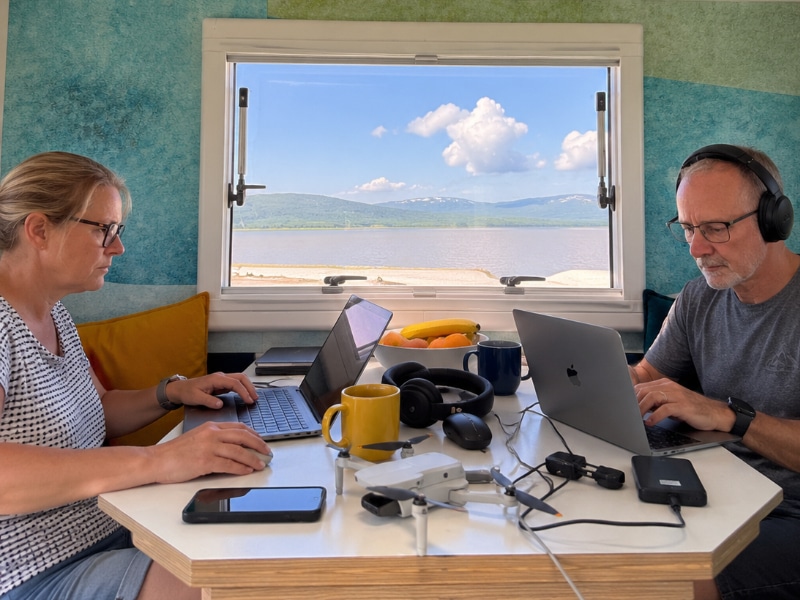
Running the business from the road has also become part of our gap decade. We write and edit articles, create travel guides, publish books, work with carefully selected travel brands and manage the website from wherever we happen to be. Sometimes that’s from our overland truck, sometimes from our off-grid home in Spain, and occasionally from somewhere with much better WiFi.
For us, creating a location-independent business has made long-term travel sustainable. It means our gap decade isn’t simply an extended holiday funded by savings. Travel, work and everyday life have gradually become intertwined.
What Gap Decade Travel Actually Looks Like
One of the biggest advantages of a gap decade is that travel stops being something you squeeze into a few weeks each year. With time on your side, there’s less pressure to rush between destinations or follow a fixed itinerary.
For us, that has meant spending months exploring individual countries, travelling overland between regions and changing our plans as we go. We’ve spent winters in Morocco, months travelling through Albania, explored the Norwegian fjords and Lofoten Islands, and driven through Turkey into Georgia, Armenia and Azerbaijan.
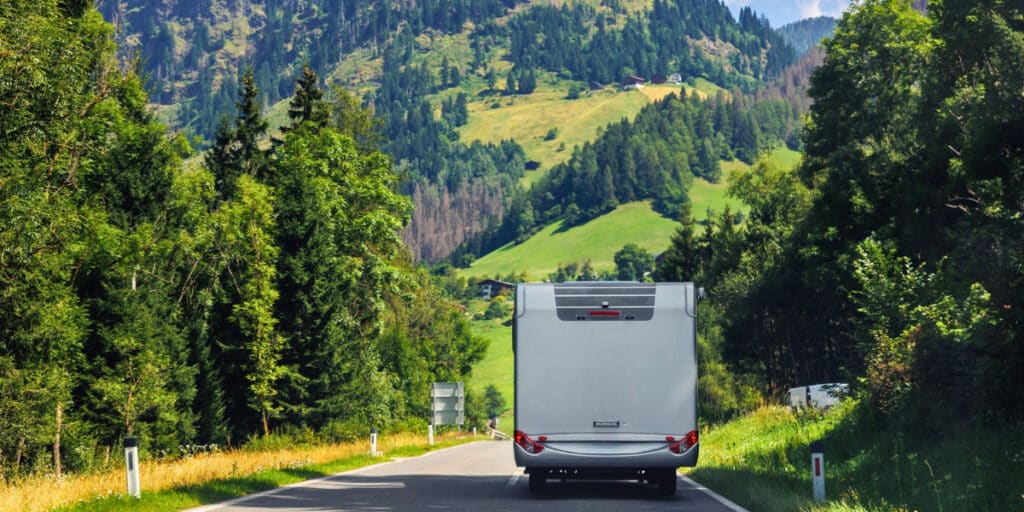
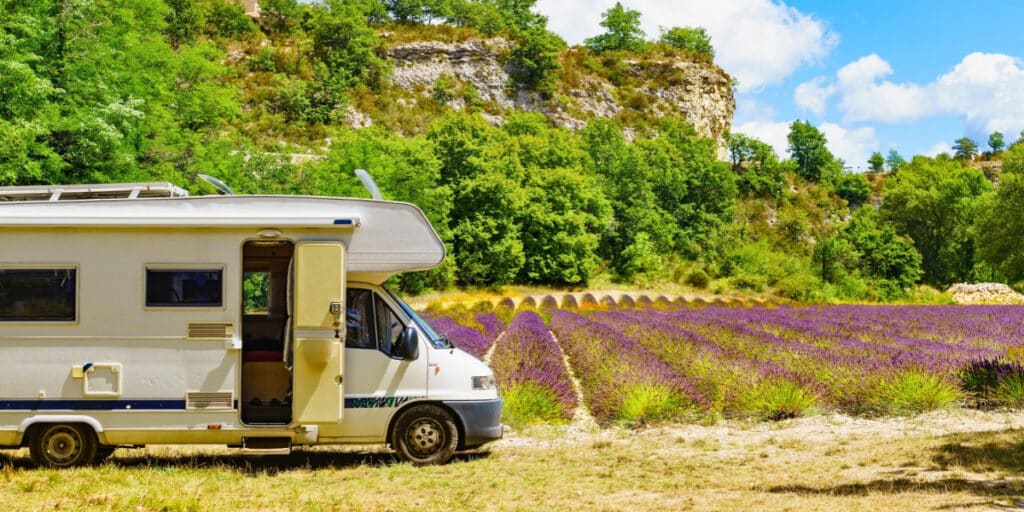
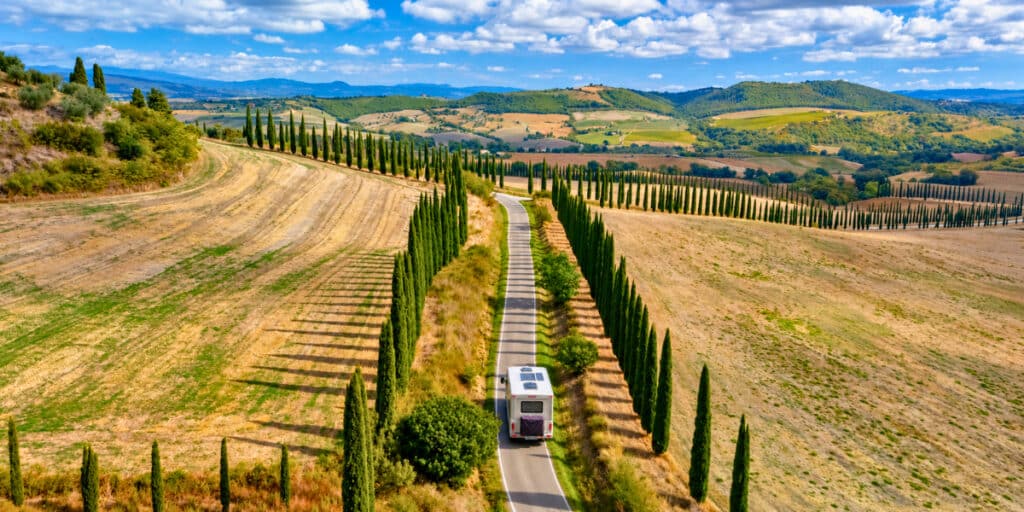
Travelling by motorhome and overland vehicle has given us enormous freedom. We can wild camp where it’s permitted, use campsites or aires when we want facilities, and stay somewhere for a few days simply because we like it. Having our own kitchen, bed and living space also makes long-term travel feel sustainable rather than like one continuous holiday.
There are ordinary days too. We work, shop for food, do laundry, maintain the vehicle and occasionally spend an entire day doing very little. That’s part of the appeal. When travel becomes your lifestyle, you don’t need every day to be an adventure.
And perhaps that’s the biggest difference. Gap decade travel gives you enough time not just to visit places, but to live in them for a while.
Popular Posts


How to Plan Your Own Gap Decade
A gap decade might sound like an enormous undertaking, but you don’t need to have the next five or ten years mapped out before you leave. We certainly didn’t. What you do need is a realistic plan for the first stage and enough flexibility to let that plan evolve.
Start with the big practical questions. How will you fund your travels? Will you sell your home, rent it out or keep it as a base? Do you want to travel full-time or return home periodically? If you’re still working, can you work remotely or will you need to create another source of income?
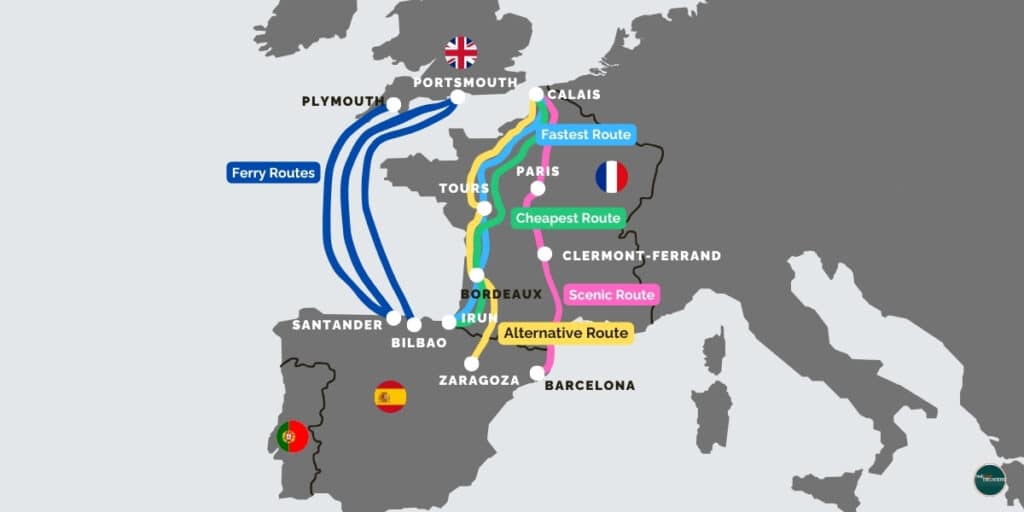
Then think about how you want to travel. For us, a motorhome made sense because we wanted the freedom to explore Europe independently and carry our home with us. If you’re considering the same route, our motorhoming in Europe guide covers everything from choosing and using a motorhome to planning longer European trips.
Long-term travel also means thinking beyond the holiday basics. Visas and immigration rules, healthcare, insurance, banking, vehicle paperwork and staying connected all become more important when you’re away for months or years rather than weeks.
Don’t try to plan every destination before you set off. Choose somewhere you’ve always wanted to explore, work out what you need to make the first few months happen and start there. A gap decade is long enough for the rest of the journey to reveal itself along the way.
Does a Gap Decade Have to Last Ten Years?
No. Despite the name, taking a gap decade doesn’t mean you need to commit to exactly ten years of travel before you set off.
Think of it as the grown-up version of a gap year. It describes a period of life when travel becomes a priority rather than something fitted around a few weeks of annual leave. That might last two years, five years, ten years or develop into a permanent change of lifestyle.
Our own gap decade began with a plan to travel for just two years. We didn’t know when we left in 2018 that we’d still be travelling eight years later, or that our first motorhome would eventually lead to an overland truck and an off-grid home in Spain.
That’s one of the advantages of approaching long-term travel this way. You don’t have to decide at the beginning exactly how long it will last. You can start with the time, money and circumstances you have, then decide what comes next as you go.
Gap Decade Travel FAQs
What does gap decade mean?
A gap decade is an extended period of travel or lifestyle change taken during mid-life or around retirement. Unlike a traditional gap year, it may last several years and is often less about taking a temporary break and more about creating a different way of living.
What is gap decade travel?
Gap decade travel means making long-term travel a significant part of your life rather than fitting trips around annual leave. It might involve travelling full-time, spending several months each year abroad, slow travelling between countries or living and travelling in a motorhome or campervan.
How much money do you need for a gap decade?
There is no single figure because costs depend on where and how you travel, the accommodation or vehicle you choose and the lifestyle you want. Before setting off, it’s important to understand your likely monthly spending, how you’ll fund your travels and what financial buffer you’ll need for unexpected costs.
Is a gap decade the same as a sabbatical?
Not quite. A sabbatical is usually a defined break from employment with the intention of returning to work. A gap decade is generally a much longer period and may involve leaving a career altogether, retiring early or changing the way you work so that extended travel becomes part of everyday life.
Am I too old to take a gap decade?
There is no set age for taking a gap decade. The concept is particularly relevant to people in their fifties and sixties because this can be the point when children have left home, careers are winding down and there is more freedom to travel. Your health, finances and personal circumstances matter far more than your age.
More Long-Term Travel Posts to Explore

Gap Year for Over 50s: How to Take Time Out and Make It Count

5 Reasons Digital Nomads Prefer Thailand

Travelling in Europe With an Irish Passport and British Spouse: Schengen Rules Explained

How to Stay in Europe for Longer Than 90 Days: A Complete Guide for British Travellers

How Remote Work and the Internet Are Redefining Nomadic Living

Best EU SIM Card for Long Term Travel & Digital Nomads in 2026
Love it? Pin it!