This post may contain affiliate links, from which we earn an income. Click here to read our affiliate policy.
Digital nomadism used to sound like a niche internet fantasy, usually involving a laptop, a beach bar, and a suspiciously stable freelance income. Now it’s far more mainstream. Remote and hybrid work have become a lasting part of working life, and in the UK that shift has been reinforced by the legal right for employees to request flexible working from day one of a job.
Enjoy The Gap Decaders? Add us as a preferred source on Google.

At the same time, hybrid work remains common across Great Britain, with the Office for National Statistics reporting that 28% of working adults were hybrid working in autumn 2024. Together, those changes have made it easier for more people to imagine a life that blends work with movement, travel, and a looser relationship to the office.
The Rise of Digital Nomadism in the UK
The appeal is obvious. People want more control over where they live, how they work, and what their weeks actually feel like. For some, that means leaving London for slower, cheaper, or more flexible UK bases. For others, it means treating places like Manchester or Brighton as stepping stones between home, travel, and project work.
That doesn’t mean every city instantly becomes a nomad paradise, of course. Cost of living, housing pressure, and internet reliability still matter. But the broader idea of working while moving is no longer unusual. It’s become part of how many people think about modern work.
Essential Tech for Nomadic Work
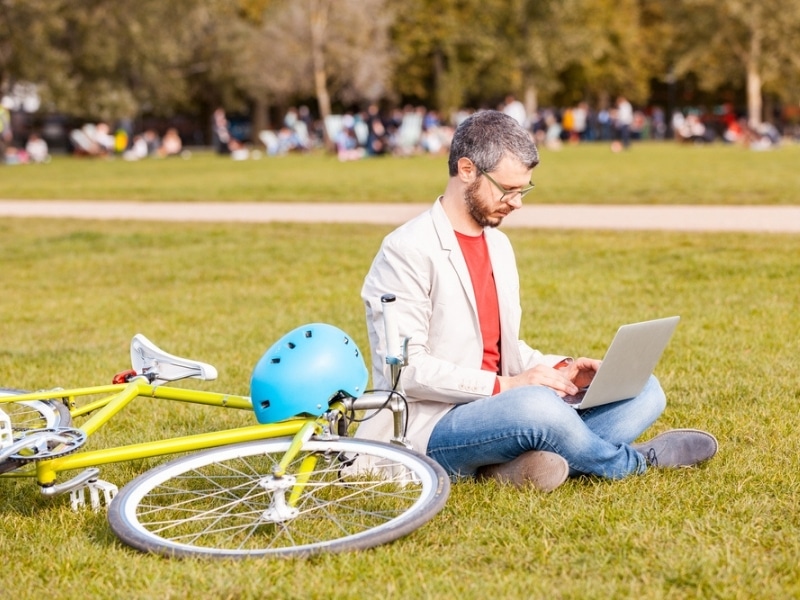
The fantasy version of nomad life tends to focus on location. The reality is mostly infrastructure. A reliable laptop, decent headphones, charging gear, cloud storage, and collaboration tools like Slack or Google Meet matter far more than a photogenic balcony. Just as important is checking whether a destination can actually support focused work before booking anything long-term.
Internet speed, workspace options, and time zone fit all shape whether a place feels freeing or deeply inconvenient. For Mac users working from cafés, hotels, and public transport, a trusted VPN mac can also help secure browsing on public Wi-Fi and make remote working feel a little less exposed.
Visas, Rules, and the UK Reality
This is where the dream gets less glamorous. The UK does not currently have a dedicated digital nomad visa route. What changed in early 2024 is that the visitor rules were updated to make clear that people can work remotely while in the UK for their overseas job, so long as remote work is not the primary purpose of the visit.
A Standard Visitor can usually stay for up to six months, but that is not the same thing as moving to the UK as a digital nomad. Anyone planning a longer-term base needs to look at other immigration routes rather than assume there is a neat nomad category waiting for them.
Final Thoughts
Remote work hasn’t just changed where people log in. It’s changed what people think a working life can look like. The internet made that shift possible. Flexible work made it practical. The hard part now is making it sustainable.