
This post may contain affiliate links, from which we earn an income. Click here to read our affiliate policy.
New alloy wheels can transform the look of your car overnight, giving it a sharper stance and a more premium look. But before you get carried away by design and finish, the most important part of any purchase is fitting.
Wheels that don’t match your vehicle’s specifications can cause rubbing, poor handling, and even fail an MOT. If you’re planning to buy alloy wheels for the first time, understanding the key measurements and compatibility checks will save you money and hassle in the long run.
Enjoy The Gap Decaders? Add us as a preferred source on Google.
Get the Sizing Right First
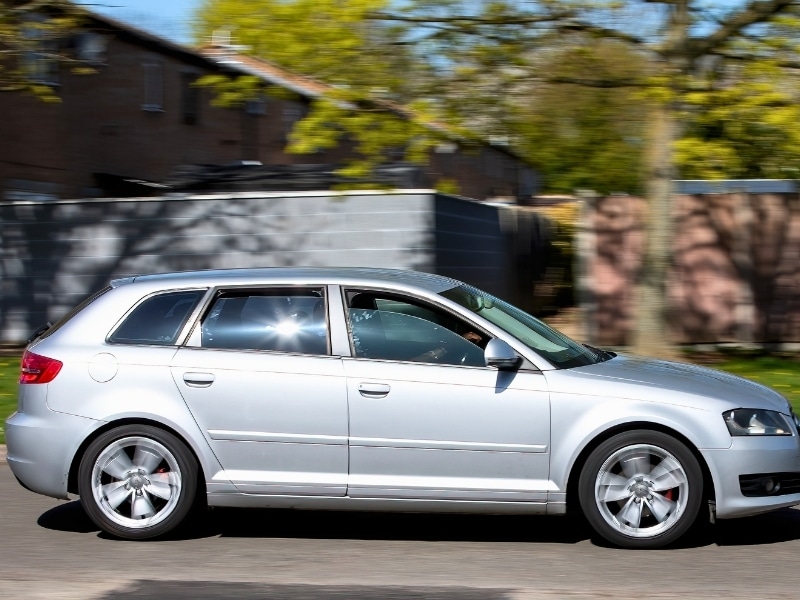
The first thing to get right is the size: diameter, width, offset, and the PCD, which determines the bolt pattern. Get any one of these wrong and the wheel won’t sit correctly, no matter how good it looks in a photograph.
It’s worth checking your handbook or the sticker inside the driver’s door for the manufacturer’s recommended sizes, since fitting anything outside this range can affect ride quality and could even affect your insurance cover.
If you’d rather skip the guesswork, visit Elite Wheels & Tyres to buy alloy wheels and choose from a wide range of stylish, performance-focused wheel options, with knowledgeable staff on hand to confirm the correct fitment for your exact make and model.
Understand Offset and Fitment
Before making your purchase, you must understand the offset (ET) value. This measurement determines how the wheel sits within the wheel arch. If you select an incorrect offset, the tyres may rub against the suspension or the body of the car.
As small measurements of only a few millimetres change the way the wheel functions, accuracy is necessary. It’s always best to confirm these details from a professional retailer. That’s why, avoid guessing the measurements or rely on a close enough match that you find on an online marketplace.
Choose the Right Material
Picking the right material for your wheels is also important. Most alloy wheels are made from aluminium alloys. However, some higher-performance wheels use magnesium or forged aluminium to make them lighter.
Lighter wheels can help your car accelerate, brake, and handle better because they reduce what’s known as unsprung mass. The downside is that these lighter wheels usually cost more. If you’re mostly looking to change the look of your car for everyday driving, a cast aluminium wheel will probably be good enough and offers a more affordable option.
Check Load and Speed Ratings
It is essential that you check load and speed ratings. Each wheel has a maximum load rating, and the rating must meet or exceed your vehicle’s original specifications, particularly if you have a heavier vehicle like a station wagon, SUV, or van conversion.
Using wheels that do not meet the manufacturer’s specifications is dangerous and could invalidate your insurance if you get into an accident. When you buy alloy wheels, always ask about the load rating from the retailer rather than assuming a wheel that looks suitable has the correct rating.
Think about style last, not first
The finish and style are the fun part, but don’t let them come before the technical checks. Gloss black, diamond-cut, matte grey and multi-spoke designs suit different body shapes, so check how the design complements your car’s paintwork and ride height before you commit. A wider or larger wheel can look great, but if it goes beyond your car’s approved range, you risk uneven tyre wear and a harsher ride.
It’s also sensible to think about tyres at the same time as wheels. A new set of alloys paired with worn or mismatched tyres won’t deliver the performance or appearance boost you’re after. Many people choose to buy alloy wheels and tyres together as a package, which often works out more cost-effective than sourcing them separately, and ensures everything is balanced and fitted correctly from the outset.
Fitting and Ongoing Care
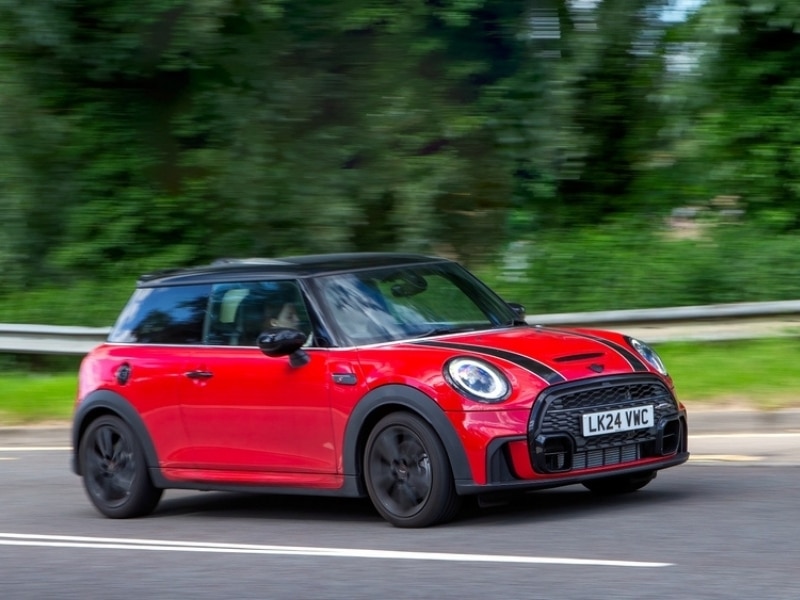
When it comes to installing and maintaining your wheels, think about how they’ll be put on and kept in good shape. Trusted specialists provide services like professional fitting, wheel balancing, and torque checks.
These services are much safer than attempting to fit them yourself without the proper tools. Alloy wheels sometimes need cleaning with an acid-free wheel cleaner. This helps prevent corrosion, especially if you live in an area where winter road salt is common.
Getting It Right the First Time
Buying new alloy wheels doesn’t need to be complicated as long as you bear in mind the important things: work out the correct size and offset, select a material and finish that fits your budget and the way you drive and don’t overlook the load rating. If you get these things right from the beginning, then you’ll enjoy the benefits for years to come without worrying about fitment issues or premature wear.