This post may contain affiliate links, from which we earn an income. Click here to read our affiliate policy.
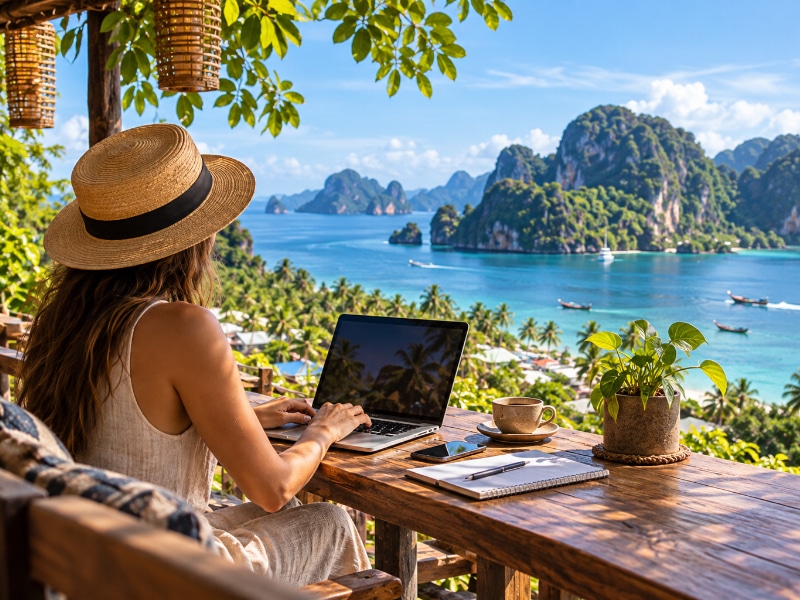
Ever wondered why remote workers keep packing up their lives and landing in Southeast Asia? If you work online, chances are high that Thailand sits right near the top of your travel wish list. It is certainly not just about the postcard-worthy beaches, cheap coconut water, or famous street food markets, though those perks definitely do not hurt. Thailand has spent years building a daily environment that makes working remotely feel smooth, affordable, and incredibly fun.
From easy long-term visas to lightning-fast Wi-Fi in the mountains alongside piping hot coffee, this place hits a sweet spot that few other countries can replicate. Thailand ranks third globally when it comes to being an ideal location for digital nomads and fourth for retirees.
Here are five key reasons digital nomads consistently pick Thailand as their ultimate remote work home base.
Enjoy The Gap Decaders? Add us as a preferred source on Google.
1. Straightforward Long-Term Visa Options
For years, living in Thailand long-term meant going through the hassles of visa runs across the border every few months. But that was before the Thai government introduced the Destination Thailand Visa, or DTV. With this, the whole dynamic shifted. Bye-bye visa runs!
The DTV is specifically created for those who work remotely, such as freelancers, remote employees, and digital nomads. It comes with a validity period of five years and gives you the chance to stay for 180 days on each visit. This implies that you will no longer have to deal with immigration procedures every time. Just show proof that you work remotely or have clients elsewhere other than Thailand, and you can set up a stable, stress-free home base in spots like Chiang Mai, Bangkok, or Koh Phangan.
2. Low Cost of Living Meets High Quality of Life
You will be surprised how far your monthly budget can take you in Thailand. The cost of living comfortably in creative cities like Chiang Mai ranges from $1,200 to $1,800 and comprises all your basic needs, including staying in an upscale studio apartment, dining out on a daily basis, and working in air-conditioned coffee shops.
Even in metropolitan cities like Bangkok, a good life does not cost as much as it would in Western metropolises. Easy access to luxury condominiums with rooftop infinity pools, fitness centers, and transport links like the BTS Skytrain is what you will enjoy. Eating at a local market and having delicious pad thai for only two or three dollars is another experience you won’t forget.
3. Fast Internet, Coworking Spaces, and Outdoor Recreation
Fast and reliable internet is a must for people working online full-time. The country regularly surprises tourists with fiber optic speeds and broad mobile internet coverage. Fast mobile internet is available even in the remotest parts of Thailand, including islands.
The largest remote working centers boast various coworking spaces such as Punspace in Chiang Mai and Hubba in Bangkok. For cafe lovers, there are many places throughout the country providing cold beverages, air conditioning, and plenty of power sockets.
When you finish your workday and close your laptop, jumping into outdoor hobbies is effortless. Whether you love mountain trail runs, sunset ocean swims, or booking round times through https://sawadeegolf.com, balancing work with outdoor leisure is built into the local lifestyle. You never have to search hard to find great recreational activities right outside your front door.
4. Built-In Communities and Easy Networking
Being a new expatriate in a totally new country may appear scary, but being in Thailand is very helpful when making friends fast and easy. This is because this country has long been a hub for freelancers and remote workers on the Internet. It boasts a thriving and active expat community, and also, it is the land of smiles. So, don’t worry about making friends!
Coliving spaces, casual weekly meetups, and local chat groups make it simple to meet fellow creators, software engineers, and online business owners. Whether you need a local accountant recommendation, want a morning running partner, or are looking for a co-founder for a new project, you will easily find people walking the same path.
5. Endlessly Diverse Lifestyles
Life after logging off is where Thailand truly shines because the country offers completely different environments depending on your personal taste:
Mountain Energy: Chiang Mai offers cool mountain breeze, scenic hiking routes, and hundreds of historic temples tucked into quiet neighborhoods.
Island Living: Hotspots like Koh Phangan, Koh Samui, and Phuket give you ocean views, beach yoga retreats, and sunset gatherings right after your afternoon meetings finish up. If you can afford to wake up late the next day and don’t mind getting your hair down, you’ll find that parties don’t stop at these islands. From reggae parties to techno events and psychedelic, there’s something for all kinds of music lovers.
Big City Excitement: Bangkok delivers high-energy night markets, giant shopping centers, rooftop cocktail bars, and an incredible food scene ranging from street stalls to fine dining.
Add in warm local hospitality, colorful cultural festivals like Songkran, and world-class healthcare facilities, and it is easy to see why so many remote workers extend their stay month after month.
Final Thoughts
Thailand is one of the few countries in the world where remote workers get the best combination of easy living, excellent infrastructure, and fabulous lifestyle benefits. This is one of the most accessible destinations on earth for anyone looking to make a career and have some fun too.
Are you ready to make the change?