This post may contain affiliate links, from which we earn an income. Click here to read our affiliate policy.
Central Spain is where the clichés fall away.
No beaches. No dramatic coastal cliffs. No turquoise coves. Instead, you get big skies, fortress cities, golden stone, Roman ruins, empty plains and the kind of silence that makes you slow down without realising it.
This road trip from Madrid begins and ends in the capital, looping south into La Mancha and west into Extremadura before circling back through one of Spain’s most striking medieval cities. It is a journey through Spain’s historic heartland, a landscape shaped by empire, literature, faith and agriculture.
It works beautifully as a 7–10 day itinerary. Seven days keeps things focused and efficient. Ten days allows you to linger in the cities that deserve long evenings and unhurried mornings.
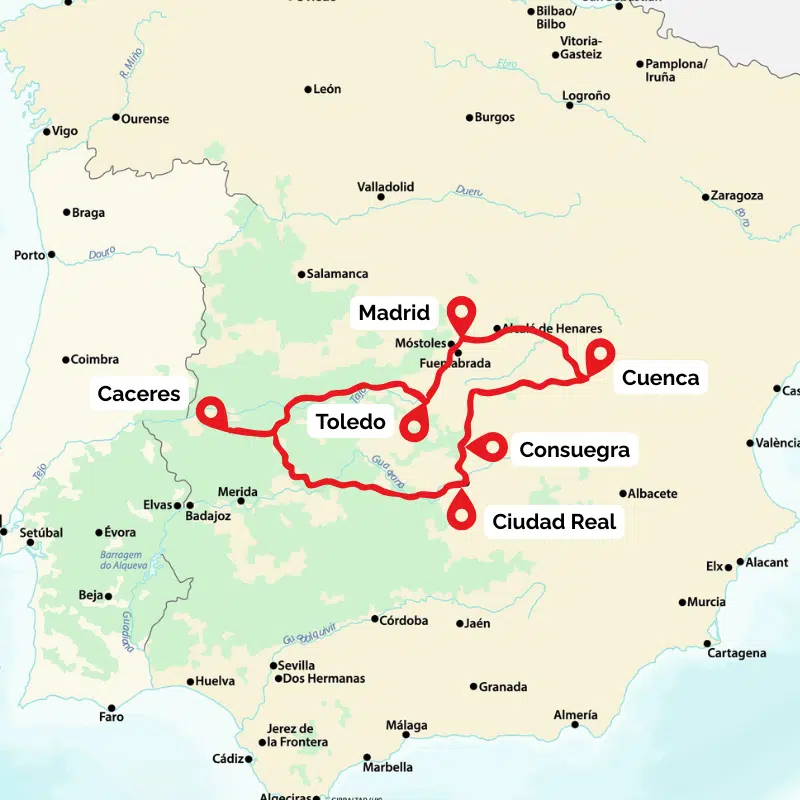
Road Trip from Madrid Map
Madrid Road Trip Itinerary
Route: Madrid – Toledo – Cáceres – Ciudad Real – Consuegra – Cuenca – Madrid
Distance: ~850 km
Duration: 7–10 days
Best time to go: March–May and September–November
Best for: Historic cities, Roman and Moorish heritage, literary landscapes, wide-open plains and travellers seeking a quieter Spain
This map shows the main bases and driving route. You can save it to Google Maps for planning or offline use while driving.
Route and Stays: 7 Nights
Designed for a well-paced loop with realistic driving days and two-night stays in the strongest bases.
- Madrid: 2 nights
- Toledo: 1 night
- Cáceres: 2 nights
- Ciudad Real or rural La Mancha: 1 night
- Cuenca: 1 night
This version keeps distances manageable while allowing depth in Cáceres and Madrid.
Route and Stays: 10 Nights
A slower version that adds breathing room in the most atmospheric cities and reduces one-night stops.
- Madrid: 2 nights
- Toledo: 2 nights
- Cáceres: 2 nights
- Rural La Mancha: 2 nights
- Cuenca: 2 nights
This pacing transforms the route from a structured loop into something more immersive, particularly in Toledo and Cuenca.
Detailed accommodation guidance for each stop, including recommended night counts and how they fit into the flow of the route, is included after the itinerary.
Planning tools we actually use for road trips in Spain
Day 1–2: Madrid – Capital Energy and a Soft Start
Start with two nights in Madrid. It gives you time to explore properly before heading into quieter territory.
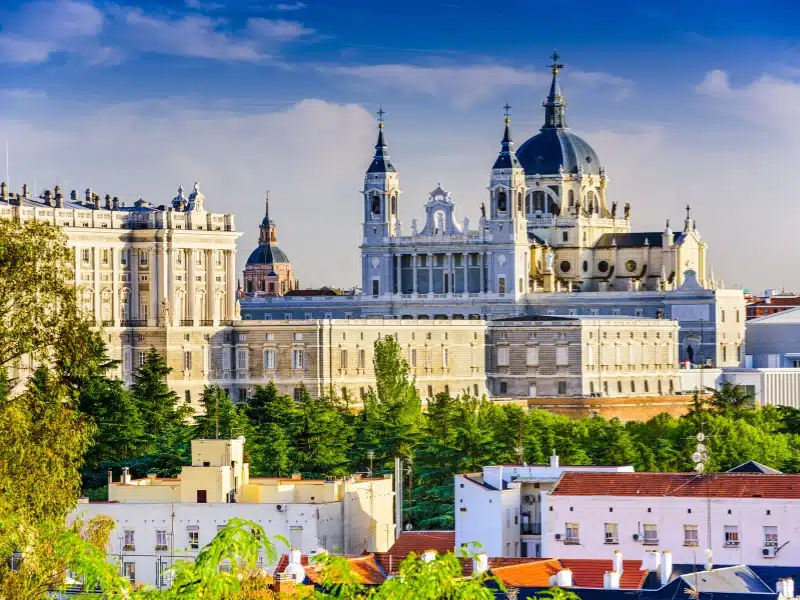
Madrid is not a medieval city in the way Toledo or Cáceres are, but it is Spain’s cultural centre. Spend time along the Paseo del Prado, home to world-class museums, and walk through the Barrio de las Letras, where literary history still lingers in the streets.
Retiro Park provides green relief, while the Royal Palace and Plaza Mayor anchor the historic centre.
Delay collecting your rental car until departure day if possible. Madrid is far easier to navigate on foot and by metro.
RELATED POST: Madrid in One Day: The Best Itinerary, Map, Tips & Guide
Optional Side Trip: Segovia
Distance from Madrid: 90 km
Driving time: 1 hour via the AP-6 motorway
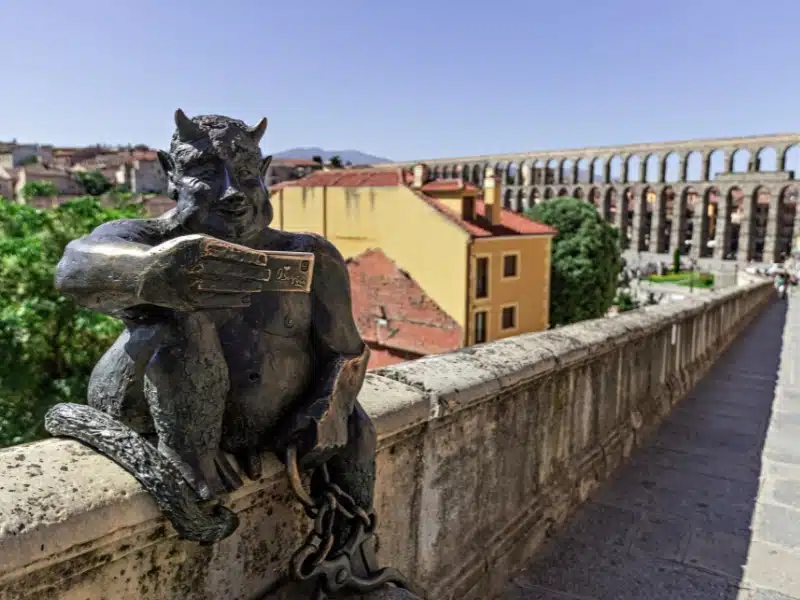
Segovia is one of Spain’s most visually striking small cities and an easy addition at the beginning or end of this Central Spain road trip. The approach alone is impressive, with the Roman aqueduct appearing suddenly as you enter the city, its enormous stone arches marching straight through the centre without a drop of mortar.
From there, climb into the old town to visit the Gothic cathedral and continue toward the Alcázar, which sits dramatically above the surrounding plains. With its turrets and cliff-edge setting, it is widely believed to have inspired Disney’s castle design. The views from the tower stretch across the Castilian landscape and give you a real sense of the region’s scale.
Segovia is compact and walkable, making it ideal as a half-day stop or an overnight stay if you want a more relaxed pace. It pairs especially well with Madrid, either as a first stop before heading south to Toledo or as a final flourish before flying home.
Arrive early or stay overnight. Segovia attracts day visitors from Madrid, and the aqueduct area becomes busy by late morning. The city feels far more atmospheric once the crowds thin in the late afternoon.
Day 3: Madrid to Toledo – Spain’s Medieval Masterpiece
Distance: 75 km
Driving time: 1 hour via A-42 motorway
The drive south to Toledo is short and simple, which makes this an easy transition day.
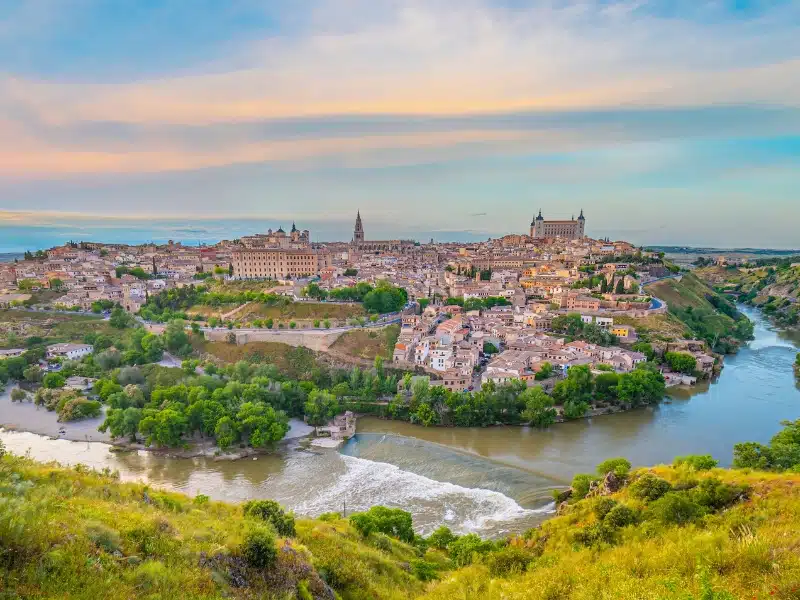
Perched dramatically above the Tagus River, Toledo feels like a film set. The skyline of cathedral, fortress and monastery is visible long before you enter the city.
Spend the afternoon wandering through its tight, winding streets. Visit the cathedral, explore the former Jewish quarter, and walk up to the Alcázar for panoramic views. Toledo’s layered history, Christian, Jewish and Islamic, is visible in its architecture and layout.
If you stay overnight, the atmosphere shifts after day-trippers leave, and the city becomes quieter and more atmospheric.
Day 4: Toledo to Cáceres – Crossing into Extremadura
Distance: 300 km
Driving time: 3 hours via A-5 motorway
Today is the longest drive of the route, but it is straightforward motorway driving across wide-open plains.
As you head west, the landscape becomes emptier and more agricultural. This is classic interior Spain, vast skies, scattered farms and long, straight roads.
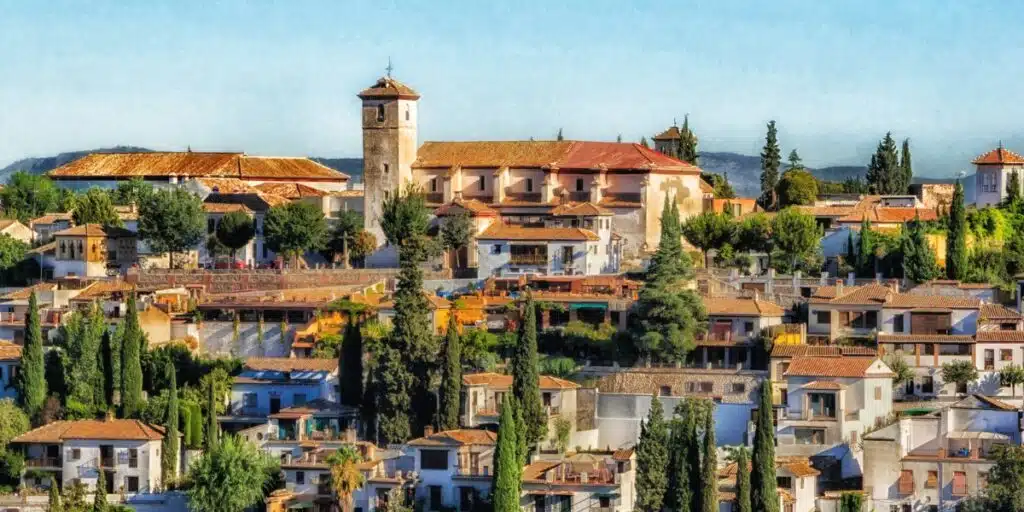
Arrive in Cáceres mid-afternoon and walk straight into the old town. The medieval centre is exceptionally well preserved and largely free of modern intrusions. Stone towers, palaces and churches rise above narrow lanes that feel almost untouched by time.
Two nights here allow you to experience the city properly, including early mornings and late evenings when it is at its quietest.
More Spain Travel Inspiration

Day 5: Cáceres and the Extremadura Landscape
Spend a full day exploring Cáceres.
Climb one of the towers for views over terracotta rooftops and the surrounding plains. The Plaza Mayor is the social heart of the city, while the interior of the Concatedral and Palacio de los Golfines offer insight into its noble past.
If you want a short countryside detour, drive into Monfragüe National Park for birdwatching and wide valley views. It adds texture without demanding a full extra night.
Optional Side Trip: Guadalupe and the Villuercas Mountains
Distance from Cáceres: 120 km
Driving time: 1 hour 45 minutes
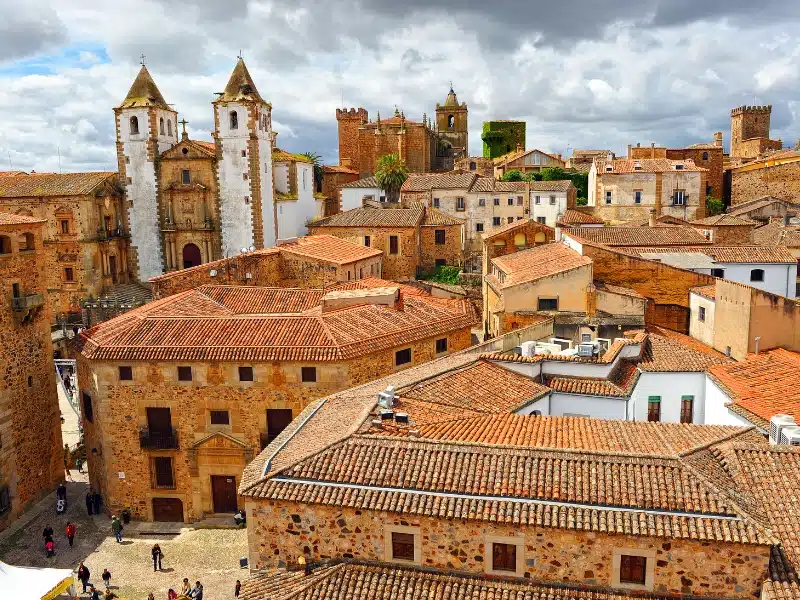
Guadalupe is one of Extremadura’s most atmospheric small towns, tucked into the Villuercas Mountains. The Real Monasterio de Santa María de Guadalupe is a UNESCO-listed monastery that blends Gothic, Mudéjar and Renaissance styles and feels surprisingly grand for such a rural setting.
The drive itself is part of the appeal, winding through quiet mountain roads with almost no traffic. It adds a wilder, less-visited dimension to the route and contrasts beautifully with the open plains of La Mancha.
Day 6: Cáceres to Ciudad Real – Into La Mancha
Distance: 260 km
Driving time: 2 hours 45 minutes via EX-A1 and A-5
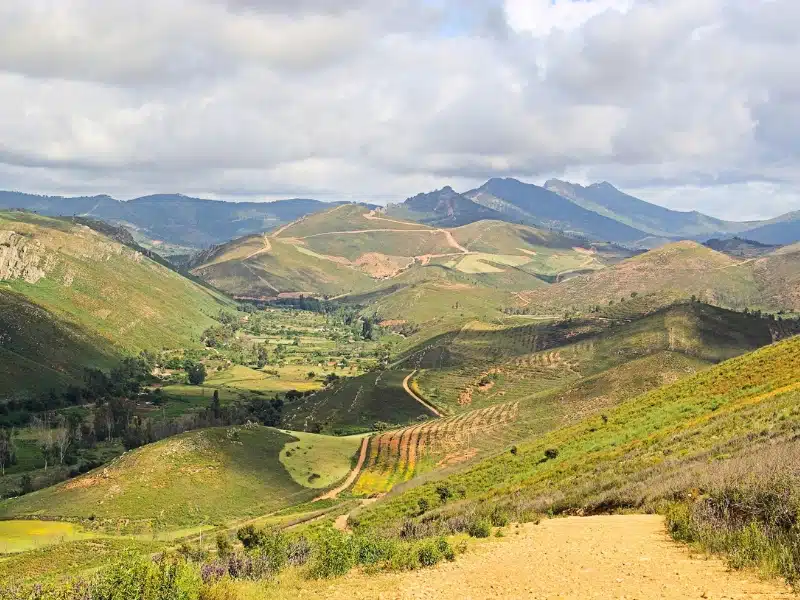
Leaving Extremadura, the terrain gradually shifts back toward La Mancha’s open plains.
Ciudad Real itself is practical rather than spectacular, but it works well as a base for exploring the Don Quixote landscapes that define this region.
If following the 10-day version, consider staying in a rural finca or small countryside hotel rather than in the city itself.
Day 7: Consuegra and El Toboso – Windmills and Literary Spain
Distance: 140 km total local driving
Driving time: 2 hours combined, excluding stops
Today is about the imagery of La Mancha.
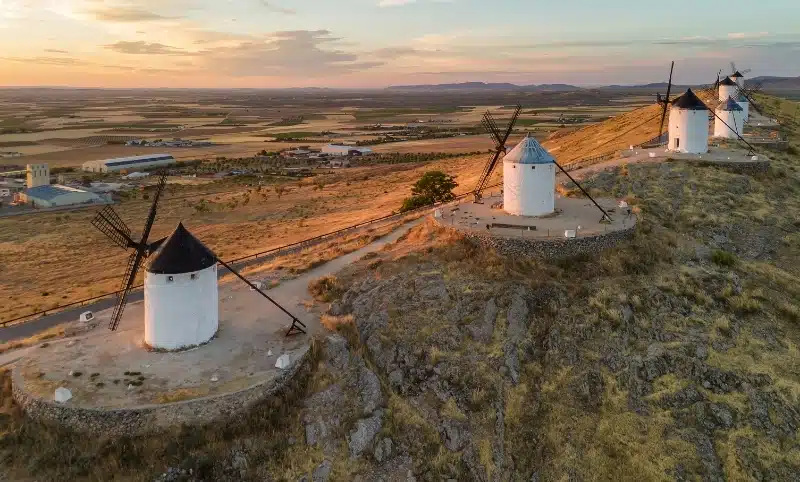
Drive to Consuegra, where a line of white windmills sits along a ridge above the plains. The views stretch endlessly, and it is easy to see why Cervantes chose this landscape for Don Quixote’s famous windmill scene.
Continue to El Toboso, traditionally associated with Dulcinea, the fictional love interest of Don Quixote. The village is small and quiet, making it a peaceful stop before returning to your overnight base.
Day 8: Ciudad Real to Cuenca – Hanging Houses and Dramatic Gorges
Distance: 200 km
Driving time: 2 hours 15 minutes via A-43 and A-3
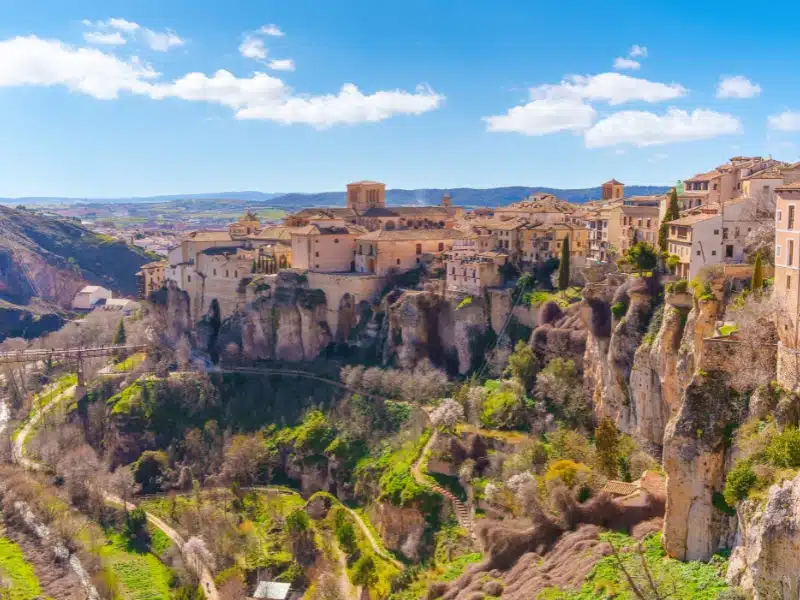
Cuenca rises unexpectedly from the landscape, perched above two deep river gorges.
Walk across the San Pablo Bridge for the classic view of the Casas Colgadas, the hanging houses that cling to the cliff edge. The cathedral square and surrounding lanes feel compact and walkable.
If you have time, drive out to the Ciudad Encantada rock formations just outside town, where wind and water have sculpted surreal limestone shapes.
Stay overnight to experience Cuenca after dark when the cliffs are softly lit.
Day 9: Cuenca to Madrid – Completing the Loop
Distance: 170 km
Driving time: 1 hour 45 minutes via A-3 motorway
Return to Madrid on a fast and straightforward motorway. If you have a late flight, consider adding one final night in the capital.
Where to Stay on a Road Trip from Madrid
This itinerary follows a circular route beginning and ending in Madrid, with a mix of short driving days and a couple of longer transfers. Overnight stops are chosen to balance historic atmosphere with practical access and manageable daily distances.
Where possible, stay just outside medieval centres or confirm parking access in advance. Cities such as Toledo, Cáceres and Cuenca have tight historic cores where driving is restricted or stressful.
Madrid (2 Nights)
Begin with two nights in Madrid so you can explore the capital without rushing. It is best to collect your rental car on the morning you leave the city rather than on arrival day, as parking in central Madrid is expensive and unnecessary.
Luxury: The Principal Madrid enjoys a refined Gran Vía address with rooftop terrace views and elegant interiors, ideal for easing into the trip.
Mid-range: Only You Hotel Atocha is contemporary and well located near Retiro Park, practical for car collection when departing the city.
Budget: Room007 Ventura is central, simple and affordable, perfect if you prioritise location over space.
Toledo (1–2 Nights)
Staying inside the old town gives you the full medieval atmosphere, but confirm parking in advance. Many streets are steep and restricted. One night works on a tighter schedule, two nights allows you to experience the city after the day visitors leave.
Luxury: Palacio Eugenia de Montijo is a former palace within the old town offering historic architecture and a sense of place.
Mid-range: Hotel Pintor El Greco is a characterful stay tucked into the Jewish Quarter, walkable to all major sights.
Budget: Hotel Santa Isabel is a well-positioned and affordable option with a rooftop terrace overlooking the cathedral.
Cáceres (2 Nights)
Two nights here are strongly recommended. The old town is one of Spain’s most intact medieval centres and becomes especially atmospheric in the early morning and evening. Choose accommodation within or just outside the walls for easy walking access.
Luxury: Atrio Restaurante Hotel is a discreet boutique hotel set within the medieval quarter, combining historic structure with contemporary design.
Mid-range: NH Collection Cáceres Palacio de Oquendo is a restored palace overlooking Plaza de San Juan, balancing character and comfort.
Budget: Hotel Alfonso IX is practical and well located near Plaza Mayor with easier vehicle access than deeper inside the old town.
La Mancha Base (1–2 Nights)
For a single night, a practical stop near Ciudad Real works well. If you are following the 10-night itinerary, consider a rural stay for a more immersive experience among vineyards and open plains.
Luxury: Parador de Almagro is a converted 16th-century convent with cloisters and courtyards that adds real atmosphere to the La Mancha section.
Mid-range: Hotel Cumbria Spa in Ciudad Real is comfortable and modern, suitable for a straightforward overnight.
Budget: Hotel Castillo de Pilas Bonas in Manzanares is a charming, small castle-style property offering character and good value.
Cuenca (1–2 Nights)
Staying in the upper historic town provides the most dramatic setting, close to the Hanging Houses and cathedral. Access roads are narrow, so confirm parking details before arrival. If you prefer easier vehicle access, stay in the lower modern town and walk up.
Luxury: Parador de Cuenca is set in a former convent opposite the Hanging Houses, offering one of the most dramatic hotel settings in Spain.
Mid-range: Hotel Leonor de Aquitania is located near the cathedral in the upper town, ideal for evening walks once the city quiets down.
Budget: Hostal Posada Huécar is simple and centrally located, offering good value within walking distance of major sights.
Central Spain Road Trip Resources
Getting to Central Spain and Starting Your Road Trip
Flying to Madrid and Driving Locally
For most travellers, flying into Madrid and starting the road trip there is the simplest and most efficient option.
Adolfo Suárez Madrid–Barajas Airport is one of Europe’s major hubs, with extensive international connections. It offers a wide choice of car hire companies and direct access to Spain’s motorway network.
Collect your car as you leave the city rather than on arrival day if you plan to explore Madrid first. Driving in central Madrid is unnecessary and parking can be expensive.
Comparison platforms such as Discovercars.com make it easy to compare suppliers and often offer better value during peak seasons.
Central Spain also works well by campervan or motorhome, especially for rural La Mancha and Extremadura, where open landscapes and quieter roads suit slower travel. Use Motorhome Republic for the widest choice of pick-up locations, models and providers.
For most travellers on a 7–10 day itinerary, flying into Madrid and driving locally provides the best balance of convenience and flexibility.
Driving to Central Spain from the UK
Driving from the UK is entirely feasible if you want the journey itself to form part of a longer trip.
The most common option is crossing into France via ferry or the Channel Tunnel, then driving south through France before entering Spain via the Basque Country. From Calais to Madrid is roughly 1,100–1,200 miles, typically split across two days with an overnight stop in France.
There is also a direct ferry option from Portsmouth to Santander or Bilbao. Brittany Ferries operates crossings of approximately 24–33 hours depending on route and conditions. From Santander to Madrid is around 4.5 hours of straightforward motorway driving.
The ferry avoids the long drive through France and works particularly well for campervan travellers or extended trips. Driving through France is usually faster overall if time is limited.
Once in Spain, the motorway network to Madrid is modern, well maintained and easy to navigate.
RELATED POST: Driving to Spain from the UK: Best Routes & Tips
Central Spain Road Trip Tips
Best Time for a Central Spain Road Trip
March to May
Spring is one of the best times to explore central Spain. Wildflowers appear across the plains, temperatures are comfortable for walking-heavy cities, and visitor numbers remain moderate. Evenings are cool but pleasant.
June to August
Summer brings long daylight hours and dry weather, but inland heat can be intense. Expect very high temperatures, especially in Toledo and Extremadura. Early starts and shaded afternoons become essential.
September to November
Autumn is another excellent season. Harvest season brings subtle colour changes to the vineyards and countryside. Temperatures are warm but manageable, and cities feel less crowded.
December to February
Winter is quiet and atmospheric. Tourist numbers drop significantly, and historic centres feel more local. Days are shorter and can be cold, particularly at night, but driving conditions are generally straightforward unless heavy fog settles over the plains.
Driving in Spain
Whether you’re driving your own vehicle or you’re in a rental car for your road trip in Catalonia, follow our driving in Spain tips:
RELATED POST: Driving in Europe: Everything You Need to Know
More Spain Road Trips to Explore
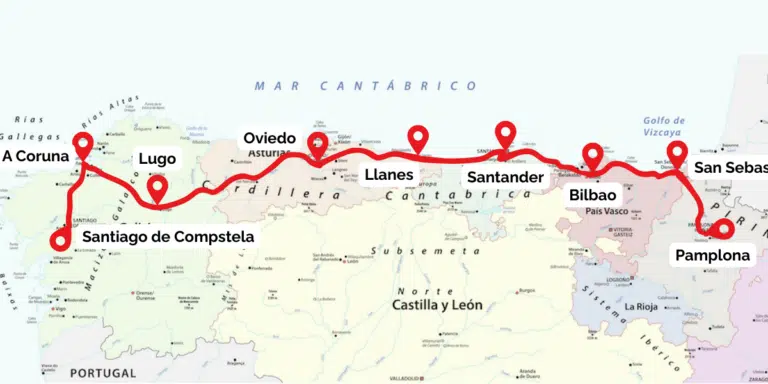
Northern Spain Road Trip: 7–10 Day Itinerary, Route and Tips
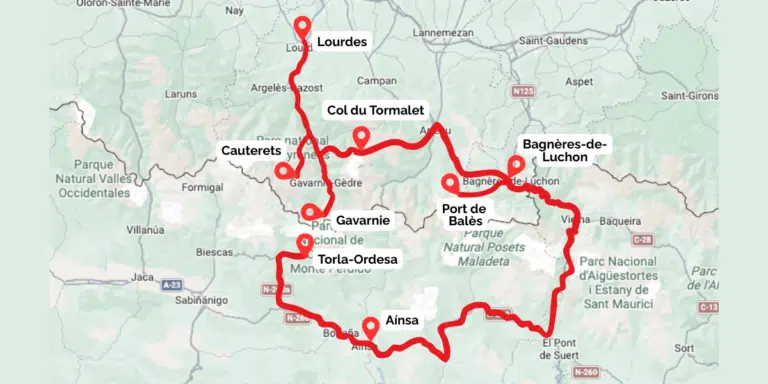
Pyrenees Road Trip & Hiking Itinerary: 7–9 Days with an Optional Spain Extension
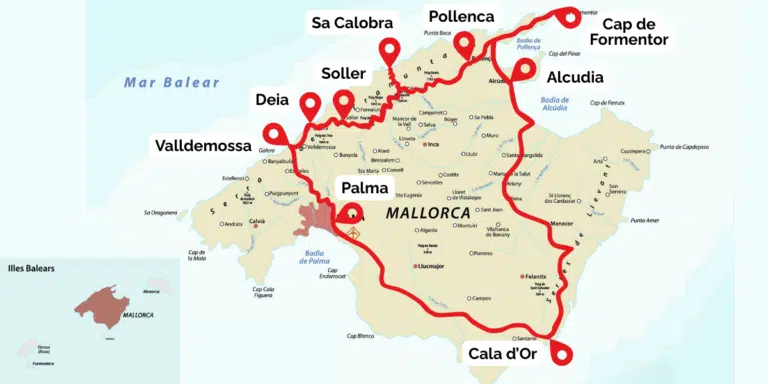
Mallorca Road Trip: 7–10 Day Island Loop from Palma
Andalucia Road Trip: The Perfect 10-14 Day Itinerary
The Perfect Spain 10 Day Itinerary for Bucket List Travelers
Catalonia Road Trip: 7–10 Day Costa Brava & Pyrenees Loop from Barcelona
Love it? Pin it!