
This post may contain affiliate links, from which we earn an income. Click here to read our affiliate policy.
Scotland is a wonderful place to explore by motorhome, with roads that take you through vast Highland landscapes and beside lochs, and plenty of reasons to stop long before you reach your campsite.
We’ve travelled extensively through Scotland by motorhome, and this route brings together some of our favourite places. Starting around Glasgow and Loch Lomond, you’ll head north through Glen Coe before following the Road to the Isles to the sandy beaches around Arisaig and taking the ferry across to Skye. From there, the route continues past Eilean Donan Castle to Loch Ness and Inverness, then turns south through the Cairngorms towards Edinburgh.
Allow two to three weeks in Scotland, plus time to travel to and from the route. Two weeks gives you a varied road trip with time to explore the main stops, while three lets you linger on Skye, spend longer walking in the Highlands and enjoy a few days when you leave the motorhome parked up.
Along the way, we’ll share recommended campsites, practical motorhome parking information and tips for each stage, so you can follow the whole itinerary or adapt it to suit your own Scottish road trip.
Scotland Motorhome Itinerary Key Facts
Route: The Gap Decaders’ Scotland motorhome itinerary takes you from Glasgow and Loch Lomond through the western Highlands, Skye and the Cairngorms to Edinburgh.
Duration: Allow two to three weeks in Scotland, plus travel time to reach the start and return home.
Best for: Motorhomers looking for spectacular scenery, coastal stops and time to explore Scotland’s towns and cities.
First-hand experience: The Gap Decaders have travelled extensively through Scotland by motorhome, and this itinerary draws on places and routes we’ve explored ourselves.
Enjoy The Gap Decaders? Add us as a preferred source on Google.

Scotland Motorhome Route at a Glance
Distance: 625 miles
Driving time: Approximately 16 hours, excluding sightseeing stops, breaks and traffic delays.
Duration: 2–3 weeks
Best for: A scenic Scotland motorhome road trip with time to explore the western Highlands, Isle of Skye and Cairngorms National Park.
Route: Glasgow → Loch Lomond and Luss → Rannoch Moor → Glen Coe → Fort William and Neptune’s Staircase → Glenfinnan → Arisaig and Camusdarach Beach → Mallaig → Armadale and Broadford → Portree, the Old Man of Storr and Staffin → Eilean Donan Castle → Fort Augustus → Loch Ness and Urquhart Castle → Inverness and Nairn → Cawdor and Culloden → Aviemore and Glenmore → Newtonmore → Killiecrankie → Pitlochry → Dunkeld and Birnam → Edinburgh
The route heads north from Glasgow to Loch Lomond, then follows the A82 across Rannoch Moor and through Glen Coe to Fort William. From here, you’ll take the Road to the Isles past Glenfinnan to the beaches around Arisaig, before continuing to Mallaig for the ferry to Skye.
After exploring the island, you’ll return to the mainland over the Skye Bridge and visit Eilean Donan Castle, then travel east towards Loch Ness and Inverness. The final section takes you through the Cairngorms to Pitlochry and Dunkeld before finishing in Edinburgh.
Allow two weeks to follow the main route, or three if you’d like longer on Skye and more time for walking, sightseeing and staying put when you find somewhere you love. Optional detours give you scope to explore further without committing to a longer route.
Scotland Motorhome Route Map
Our interactive map shows the complete Scotland motorhome itinerary, including the suggested route, places to visit and recommended campsites.
Use the map to plan your own journey, shorten the route, skip somewhere that doesn’t appeal or add extra nights along the way.
How Long Do You Need for This Scotland Motorhome Itinerary?
Allow between two and three weeks for this route, plus the time you need to travel to Glasgow and return home from Edinburgh.
In two weeks, you can explore the main stops and spend a few nights on Skye, but you’ll need to move on fairly regularly. Although some of the driving distances are short, winding Highland roads take time, especially when you’re stopping for photographs or a walk along the way.
Three weeks gives you more flexibility to spend longer on the west coast, explore Skye properly and enjoy a few days walking in Glen Coe or the Cairngorms. It also gives you room to adjust your plans around the weather, which can make a big difference to a day in the mountains.
If you only have a week to ten days, we’d shorten the route. Loch Lomond, Glen Coe and the Road to the Isles make a rewarding trip on their own, or you could focus on Skye and the western Highlands. Trying to fit the whole itinerary into a shorter holiday would leave too little time to enjoy the places you’ve come to see.
Day 1: Glasgow to Loch Lomond
Distance: Around 30 miles
Driving time: Around 1 hour, excluding stops and Glasgow traffic
Your Scotland motorhome road trip begins around Glasgow, with an easy drive to the western shore of Loch Lomond. If you’ve travelled a long way to get here, you can head straight to your campsite at Luss and spend the afternoon settling in beside the loch.
If you have time to explore Glasgow first, the Riverside Museum is a worthwhile stop, particularly if you enjoy transport and engineering. Its collections tell the story of the city through everything from locomotives and trams to bicycles, with a recreated street bringing Glasgow’s past to life. Beside the museum, the Tall Ship Glenlee is another reminder of the Clyde’s shipbuilding heritage.
Check the museum’s current parking arrangements before arriving with a motorhome, as parking provision has changed since we wrote the original itinerary. Glasgow also has a city-centre low emission zone, so check your vehicle’s eligibility and your approach route before driving into the city.
Explore Loch Lomond and Luss
Leaving Glasgow behind, follow the A82 towards Balloch at the southern end of Loch Lomond, then continue north to Luss. As the loch opens out beside the road, you’ll get your first taste of the mountain scenery that will accompany much of this trip.
Once you’ve pitched up, walk into Luss, where rows of stone cottages and their gardens lead down towards the water. Head out along the pier for views across the loch to Ben Lomond, then spend some time wandering along the shore.
If you arrive early and fancy getting out on the water, a boat trip is a lovely way to see more of the loch without moving the motorhome. Otherwise, find somewhere for a meal or take your tea down to the shore and enjoy the start of your Scottish adventure.
Where to Stay in Luss
Stay at Luss Caravan and Campsite, on the western shore of Loch Lomond and within easy walking distance of the village.
The campsite has hardstanding touring pitches with electric hook-up, toilets and showers, fresh-water points and a drive-over grey-water disposal area. Loch-facing pitches are available, and larger motorhomes should check pitch dimensions when booking.
Insider Tip: Follow the campsite’s own arrival directions. Coming north on the A82 from Glasgow, use the second entrance into Luss, then follow the directions towards the Lodge on Loch Lomond and campsite. This avoids driving through the village, and the campsite warns that some satnavs can direct visitors to Loch Lomond Golf Club instead.

Days 2 and 3: Loch Lomond to Glen Coe
Distance: Around 60 miles
Driving time: Allow around 2 hours, excluding stops
Today is as much about the journey as the destination. Follow the A82 north along Loch Lomond, where wooded slopes rise above the road and gaps in the trees reveal views across the water.
Beyond Tarbet, the road becomes narrower and more winding in places, so take your time and leave plenty of room when meeting larger vehicles. Continue through Crianlarich and Tyndrum towards Bridge of Orchy, where the landscape opens out and the mountains begin to dominate the view.
As you cross Rannoch Moor, you’ll pass a vast sweep of open moorland dotted with lochans and surrounded by mountains. There are places to pull over along the route, but only stop where your motorhome fits safely and you can leave the road completely clear.
The approach to Glen Coe is one of the most memorable drives of this itinerary. Buachaille Etive Mòr rises beside the road before you enter the glen, with steep mountain slopes and the famous Three Sisters drawing your eye at almost every bend.
Insider Tip: Keep your camera handy, but resist trying to stop at every viewpoint. The popular parking areas can be busy, and it’s much more relaxing to choose a suitable space and spend some time taking in the scenery.
Spend a Day Exploring Glen Coe
Stay for two nights so you have a full day to explore without packing up the motorhome.
The National Trust for Scotland’s Glencoe Visitor Centre is a useful starting point, with information about the landscape, local history and walking routes. Woodland trails offer a gentler way to experience the glen, and you can explore Glencoe village or follow the paths around the visitor centre.
For a longer mountain walk, choose a route that suits your experience and check the forecast before setting off. The steep ground can be demanding, and low cloud can quickly obscure the views and make navigation more difficult.
You can also spend the day taking things slowly, wandering through the village and enjoying the scenery around Loch Leven. Giving yourself a full day here means you have some flexibility if the weather is poor when you arrive.
Where to Stay in Glen Coe
Stay for two nights at Glencoe Camping and Caravanning Club Site, a practical base for exploring the area.
The campsite has toilets and showers, laundry facilities, a drying room and a motorhome service point. The drying room is particularly welcome after a wet day walking, and staying here gives you a chance to replenish your fresh water and empty your waste before continuing west.
Book ahead for busy periods and check the available pitch type and your vehicle dimensions when reserving.

Day 4: Glen Coe to Arisaig via Fort William and Glenfinnan
Distance: Around 60 miles
Driving time: Allow around 1 hour 45 minutes, excluding stops
Leave Glen Coe and follow the A82 beside Loch Linnhe towards Fort William. With mountains rising above the water and Ben Nevis ahead, it’s another lovely stretch of road, although today’s stops are worth allowing plenty of time for.
Fort William is a useful place to stock up on groceries and fuel before heading towards the coast and Skye. If you need a supermarket shop, do it here so you can spend the next few days enjoying the places you’ve come to see.
Stop at Neptune’s Staircase
At Banavie, just outside Fort William, make a stop at Neptune’s Staircase, a flight of eight locks on the Caledonian Canal.
Walk beside the locks and, if boats are passing through, take some time to watch the lock keepers at work. Moving a vessel through the staircase is a slow process, which gives you the perfect excuse to linger and enjoy the views towards Ben Nevis.
There’s a name for watching boats and life on the canals: gongoozling. By the time you leave, you may have discovered a new holiday pastime!
Visit Glenfinnan
Continue west along the A830 to Glenfinnan, where the railway viaduct curves across the glen above Loch Shiel. Famous for its appearances in the Harry Potter films, it’s an impressive sight even without a steam train crossing it.
Follow the signed walking route towards the viaduct viewpoints, allowing time to enjoy the views back across Loch Shiel and the Glenfinnan Monument. The monument commemorates the Jacobites who supported the 1745 rising, which began here when Bonnie Prince Charlie raised his standard.
If seeing the Jacobite steam train is a priority, check the operator’s current running dates and timetable before planning your visit. Arrive well ahead of the expected crossing to allow time to park and walk to your viewpoint.
Important for motorhomes: The National Trust for Scotland’s visitor-centre car park does not accommodate motorhomes. Use the neighbouring community car park’s motorhome provision, following the signs and attendants’ instructions. Parking is busy during the main season, so have a backup plan if suitable spaces are full.
Follow the Road to the Isles
Beyond Glenfinnan, continue along the A830, known as the Road to the Isles. The scenery gradually changes as you leave the inland mountains and lochs behind and approach the coast around Arisaig.
Your overnight stop is at Back of Keppoch, just beyond Arisaig, where sandy beaches look out towards the Small Isles. Once you’ve settled in, take a walk along the shore and enjoy the evening light across the water.
If you have three weeks for this itinerary, this is a lovely place to add another night. A day exploring the beaches gives you a welcome pause before the ferry crossing to Skye.
Where to Stay near Arisaig
Stay at Invercaimbe Caravan and Campsite at Back of Keppoch, a small coastal site.
Its shoreline setting makes it a lovely base for enjoying this stretch of coast, and electric hook-up is available. Book ahead, particularly during the summer, and confirm your motorhome’s dimensions and pitch requirements when enquiring.

Day 5: Arisaig to the Isle of Skye
Distance: Around 30 miles of driving, plus the ferry crossing
Travel time: Allow around 1 hour of driving, plus approximately 30–45 minutes on the ferry and time for check-in
Today you’re heading across the sea to Skye, but leave time to enjoy the coast before making your way to Mallaig.
Camusdarach Beach is a lovely stop along this stretch, with pale sand and views towards the distinctive outlines of Eigg and Rum. If the weather is kind, a walk along the shore is a wonderful way to start the day.
The B8008 follows the coast between Arisaig and Morar, offering a scenic alternative to the A830. Sections are single track, so use passing places properly and keep them clear. If you’re driving a larger motorhome or prefer a more straightforward journey to the port, stay on the A830 and only turn off where you’ve checked suitable access and parking.
Take the Ferry from Mallaig to Armadale
Book your motorhome onto the CalMac ferry from Mallaig to Armadale in advance, particularly during the main touring season. Enter your vehicle’s full dimensions accurately, including anything that adds to its length.
Follow the check-in instructions on your booking confirmation. Vehicle check-in normally closes 30 minutes before departure, so allow plenty of time to reach the port and join the correct queue.
The crossing brings you to Armadale on Skye’s southern Sleat Peninsula. Keep an eye on CalMac’s service updates before travelling, as weather and operational changes can affect sailings.
Insider Tip: If you’d prefer to avoid the ferry, you can reach Skye by road via Fort William, Invergarry and Kyle of Lochalsh, crossing the Skye Bridge. This means a substantially longer drive from Arisaig, so adjust the day’s plans accordingly.
Explore the Sleat Peninsula
Once ashore, take your time travelling north through Sleat towards Broadford. This part of Skye has wooded stretches and views across the Sound of Sleat to the mainland mountains, giving you a gentle introduction to the island.
If you enjoy whisky, Torabhaig Distillery makes an interesting stop along the way. Set in a restored farm steading, it offers tours explaining how its whisky is made. Book ahead if you want to visit, and ask about taking tasting samples away if you’re driving.
You don’t need to fit too much into your first afternoon. The ferry crossing and coastal stops already make this a full day, and tomorrow you’ll continue further into Skye.
Where to Stay in Broadford
Stay at Camping Skye, a community-owned campsite on the outskirts of Broadford.
Its hardstanding motorhome pitches have electric hook-up, and Broadford is a useful place to pick up supplies before exploring the island. Book ahead and check that your chosen pitch accommodates your vehicle.
This is a convenient first-night stop after arriving at Armadale, allowing you to enjoy the Sleat Peninsula without committing to a longer drive across Skye on your arrival day.

Days 6 and 7: Broadford to Portree and Northern Skye
Distance: Around 30 miles from Broadford to Portree, plus sightseeing
Driving time: Allow around 45 minutes to 1 hour to Portree, excluding stops
Continue north from Broadford on the A87 towards Portree, passing through some of Skye’s most impressive mountain scenery. At Sligachan, the old stone bridge provides a lovely foreground to the Cuillin mountains, although you’ll need clear weather to see the higher peaks.
Stop if you can find suitable parking, then take a short walk to enjoy the views before continuing to Portree. You don’t need to make a long mountain trek to appreciate this part of the island.
Explore Portree
Portree is Skye’s main town and a useful place to replenish supplies, browse the shops and find somewhere for lunch. Its colourful harbourfront is the best-known view, with fishing boats sitting below a row of painted buildings.
Leave the motorhome at your campsite and plan your visit into town from there, as the streets around the harbour are narrow and parking can be busy. Spend the afternoon exploring, then settle in for two nights so you have a full day for northern Skye.
Visit the Old Man of Storr
On Day 7, follow the A855 north from Portree towards the Old Man of Storr, the huge rock pinnacle beneath the Trotternish Ridge.
The uphill walk is one of Skye’s most popular outings, with views opening out across the surrounding landscape as you climb. Allow a few hours if you want to explore around the rock formations and enjoy the viewpoints without rushing.
Wear walking boots or sturdy shoes and take waterproofs, even if the weather looks promising when you leave. The hillside is exposed, and wind, rain or low cloud can change the experience considerably.
There is designated parking for larger vehicles, toilets and a motorhome waste-disposal point at the Old Man of Storr visitor site. Follow the signs to suitable parking and check the current charges on arrival.
Insider Tip: Get an early start if you want to walk at the Storr. Parking and paths become busy during the main season, and you’ll enjoy the landscape much more if you give yourself plenty of time.
Continue towards Staffin
If you have time after your walk, continue north towards Kilt Rock and Mealt Falls, where a waterfall drops from the cliff towards the sea. Stop only if there is suitable space for your motorhome in the designated parking area.
Further north, Staffin makes a useful turning point before returning to Portree. You’ll have enjoyed a good stretch of the Trotternish coast without trying to fit every northern Skye attraction into one day.
The Quiraing is another option if you have more time on the island, but check the access road and parking carefully before adding it to your plans. For a larger motorhome, arranging a local tour can make exploring these narrower roads more relaxing.
Where to Stay in Portree
Stay for two nights at Portree Campsite, also known as Torvaig, on the northern outskirts of town.
The campsite has hardstanding touring pitches with electric hook-up, along with toilets, showers and laundry facilities. It’s a practical base for visiting Portree and following the A855 north towards the Storr and Staffin.
Book ahead for the main season and give your full vehicle dimensions when reserving a pitch.
Have More Time on Skye?
If you have three weeks for the whole itinerary, add another couple of nights on Skye. You could explore the west of the island around Dunvegan or allow a separate day for another walk, giving yourself more flexibility to choose an outing that suits the weather.

Day 8: Portree to Eilean Donan Castle
Distance: Around 45 miles
Driving time: Allow around 1 hour 15 minutes, excluding stops
Today you’ll leave Skye and return to the mainland, following the A87 south through Sligachan and Broadford towards the Skye Bridge.
If the Cuillin mountains were hidden in cloud on your journey north, you have another opportunity to enjoy them as you pass Sligachan. There’s no need to rush this morning, so stop if the weather and suitable parking make it worthwhile.
Continue across the bridge to Kyle of Lochalsh, then follow the A87 beside Loch Alsh towards Ardelve and Dornie. Your main stop today is Eilean Donan Castle, whose island setting and stone bridge make it one of Scotland’s most recognisable sights.
Visit Eilean Donan Castle
Standing where Loch Duich, Loch Long and Loch Alsh meet, Eilean Donan Castle is surrounded by water and mountains, with views that change considerably with the tide and weather.
Allow a couple of hours to visit the castle and enjoy its setting. Crossing the stone bridge is part of the experience, and inside you can explore the restored rooms and learn about the families and conflicts associated with the castle.
The building you see today owes much to a major restoration in the early 20th century, following its destruction in 1719. That reconstruction is part of its story and helped create the familiar silhouette seen in so many photographs.
Check the castle’s opening dates before travelling, particularly outside the main season. Admission tickets are currently sold on site on the day of your visit.
Important for motorhomes: Follow the signs and any attendants’ directions to suitable parking at the visitor centre. Check the current parking conditions on arrival and use your campsite for the overnight stay.
Enjoy an Afternoon beside Loch Alsh
After visiting the castle, head to your nearby campsite at Ardelve. This is a deliberately shorter day after exploring Skye, giving you time to settle in and enjoy the lochside setting.
You could also spend some time in Dornie, the village beside the castle, before pitching up. If you want photographs of Eilean Donan, allow time to look at it from the surrounding shoreline as well as from the bridge.
Insider Tip: The castle’s appearance changes with the tide. At high water, its island setting is particularly striking, while lower water reveals more of the rocky shoreline. If photography is a priority, check the local tide times when planning your visit.
Where to Stay near Eilean Donan Castle
Stay at Ardelve Caravan and Camping Park, the lochside campsite, with views across the water towards Eilean Donan Castle.
Hardstanding pitches with electric hook-up are available. Contact the site ahead of your visit to confirm availability, seasonal opening and a suitable pitch for your motorhome.

Day 9: Eilean Donan Castle to Inverness and Nairn via Loch Ness
Distance: Around 105 miles
Driving time: Allow around 2 hours 45 minutes, excluding stops
Leave Ardelve and follow the A87 inland through Glen Shiel, where steep mountains rise on either side of the road. You’ll travel beside Loch Cluanie before continuing towards Invergarry and joining the A82 north through the Great Glen.
Today’s route takes you to Loch Ness, with time to explore Fort Augustus and visit Urquhart Castle before continuing through Inverness to your overnight stop near Nairn. Start reasonably early so you can enjoy the stops without rushing.
Stop at Fort Augustus
At the southern end of Loch Ness, Fort Augustus is a lovely place to stretch your legs. The Caledonian Canal passes through the village, with a flight of locks bringing boats between the canal and the loch.
Walk beside the locks, then continue towards the waterfront for your first long view up Loch Ness. There are cafés and places to eat around the village, making this a useful lunch stop before continuing north.
Use designated parking where your motorhome fits within the permitted spaces, and check the signs before leaving the vehicle.
Follow Loch Ness to Urquhart Castle
Continue along the A82 on the western shore of Loch Ness. The road follows the water through wooded stretches, with views opening up across the loch along the way.
Near Drumnadrochit, Urquhart Castle stands on a headland overlooking the water. Its ruined walls and tower make it one of the most memorable stops on Loch Ness, and exploring the grounds gives you a sense of the castle’s strategic position.
Book your admission ahead, particularly in summer, as tickets can sell out.
Important for motorhomes: The castle currently offers a limited number of bookable parking spaces for vehicles between 4.5 and 6 metres long. You must reserve a suitable space online in advance. If your motorhome is longer than 6 metres, arrange another way to visit, such as public transport or an organised excursion, rather than relying on parking at the castle.
Continue through Inverness
From Drumnadrochit, follow the A82 towards Inverness, where the River Ness flows through the city towards the Beauly and Moray firths.
If you have time and can find suitable parking, take a walk beside the river before continuing east. Inverness is also a useful place to replenish groceries and fuel, although you may prefer to leave exploring the city for an extra day if you’re following the three-week version of this itinerary.
Your campsite is near Nairn, leaving you well placed for tomorrow’s visits to Culloden and Cawdor.
Insider Tip: If you’d like an evening walk by the sea, Nairn’s sandy beach makes a lovely change after the inland journey. Keep it optional today, as Fort Augustus and Urquhart Castle can easily fill the time between driving.
Where to Stay near Nairn
Stay at Barrow Campsite, a rural site east of Inverness near Nairn.
The campsite offers hardstanding pitches with electric hook-up and shared water access, along with super pitches that include water and grey-water disposal. Grass pitches are also available for smaller vehicles.
Choose your pitch to suit your motorhome’s size and the facilities you need, and check the electricity arrangements when booking, as some pitches use metered hook-up.

Days 10 and 11: Nairn to the Cairngorms via Cawdor and Culloden
Distance: Around 65 miles on Day 10, with no driving needed on Day 11 for local walks
Driving time: Allow around 1 hour 45 minutes on Day 10, excluding stops
Today takes you from the countryside around Nairn into the Cairngorms, with two very different historic places to explore along the way. You’ll then stay for two nights beside Loch Morlich, giving you a full day to enjoy the forest and loch without moving the motorhome.
You can visit both Cawdor Castle and Culloden Battlefield on the journey, but allow most of the day to do them justice. If you’d prefer a slower pace, choose the one that interests you most and arrive at Glenmore earlier.
Explore Cawdor Castle and Gardens
Start with Cawdor Castle, a lived-in castle with furnished rooms, gardens and woodland trails.
Its association with Shakespeare’s Macbeth is literary rather than historical, as the castle was built centuries after the real Macbeth lived. Inside, you’ll find a home shaped by generations of its owners, while the gardens are a good reason to allow extra time for your visit.
Explore the formal gardens or follow a trail into the Cawdor Big Wood before continuing towards Culloden. The castle and gardens open seasonally, so check the dates before adding this stop to your plans.
Visit Culloden Battlefield
At Culloden Battlefield, the final Jacobite rising ended in defeat on 16 April 1746, when Bonnie Prince Charlie’s army was beaten by government forces led by the Duke of Cumberland.
Begin in the visitor centre, where the exhibitions explain the events leading to the battle and the people involved on both sides. Then walk onto the battlefield, where marked positions and memorial stones help you understand what happened here.
It’s a sobering place, and following the story from Glenfinnan to Culloden gives this part of your journey a deeper meaning. The aftermath of the rising brought brutal repression and lasting changes to Highland life.
Allow a couple of hours for the exhibition and battlefield, with longer if you want to join a guided tour.
Continue to Aviemore and Glenmore
After your visits, head towards the A9 and continue south to Aviemore. This is a useful place to shop for supplies before turning onto the road to Glenmore and Loch Morlich.
The final stretch takes you into pine forest beneath the Cairngorm mountains. Once you’ve pitched up, take a short walk to the sandy beach if there’s still some evening light, then settle in for two nights.
Spend a Day Exploring the Cairngorms
Leave the motorhome parked up on Day 11 and enjoy the landscape around Glenmore. With forest trails and Loch Morlich close to your pitch, you can have a full day outdoors without travelling very far.
The Loch Morlich Trail takes you around the loch through woodland, with glimpses of the water between the trees. Allow a couple of hours at a relaxed pace, with longer for photographs or a picnic, and check the current trail information before setting off.
For a shorter outing, follow the paths around the beach and nearby forest, then find somewhere to sit and enjoy the mountain views.
Another rewarding walk leads from Glenmore to An Lochan Uaine, often called the Green Lochan. The trail passes through pine forest to a small lochan beneath steep slopes, whose green water gives it its familiar name. Use the Glenmore trail information to check the route and terrain, and take suitable footwear and waterproofs.
Get Out on the Water or Meet the Reindeer
On a suitable day, Loch Morlich Watersports offers equipment hire and activities on the loch. Check seasonal opening and book ahead if there’s something you particularly want to do, following the team’s advice about conditions.
You could also join a guided visit with the Cairngorm Reindeer Herd. Hill trips involve walking over uneven ground and normally require a short drive in your own vehicle from the centre to the starting point. Confirm suitable parking if you’re taking your motorhome.
Seasonal paddock visits at the Glenmore centre offer an alternative for visitors who would prefer to stay in the glen.
Insider Tip: Choose one main activity and leave some time free. A forest walk followed by an afternoon beside the loch makes a lovely day, and you’ll appreciate the pause before continuing south.
Where to Stay in the Cairngorms
Stay for two nights at Glenmore Campsite, beside Loch Morlich and surrounded by woodland.
The campsite welcomes motorhomes and gives you easy access to the beach and forest walks. Choose a pitch with the facilities you need when booking, and reserve ahead for popular dates.
Its location is the main attraction: you can spend your full day enjoying the loch and surrounding trails while leaving the motorhome parked up.

Day 12: Glenmore to Dunkeld via Newtonmore and Pitlochry
Distance: Around 85 miles
Driving time: Allow around 2 hours, excluding stops
Leave Glenmore and return through Aviemore to the A9, heading south towards Perthshire. Today’s route has several worthwhile stops, so choose the ones that appeal most and leave yourself time to enjoy Dunkeld when you arrive.
Visit the Highland Folk Museum
At Newtonmore, the Highland Folk Museum offers a fascinating glimpse into everyday Highland life from the 1700s to the mid-20th century.
This open-air museum brings together historic and reconstructed buildings, including homes, a school and a working croft. Walking through them gives you a sense of how people lived, worked and managed in a landscape you’ve spent the past few days exploring.
The site stretches for around a mile, so allow a couple of hours rather than treating it as a quick stop. Check seasonal opening before travelling, and wear shoes suitable for walking outdoors.
Stop at Killiecrankie
Continue south on the A9 towards Killiecrankie, where the River Garry runs through a wooded gorge. It’s particularly lovely in autumn, when the trees bring colour to the steep slopes above the water.
If you have time, stop for a woodland walk and seek out the Soldier’s Leap viewpoint, associated with a government soldier’s escape during the Battle of Killiecrankie in 1689.
The paths descend into the gorge and can be uneven, so choose a walk that suits your mobility and the conditions. Check parking suitability before turning in with a larger motorhome.
Explore Pitlochry
Further south, Pitlochry makes a useful lunch stop, with shops and cafés along its main street.
A walk towards the dam and fish ladder gives you another perspective on the town. The fish ladder was built to allow migrating salmon to bypass the dam, while the Pitlochry Dam Visitor Centre explains how hydroelectric power developed across the Highlands.
You may see salmon during the migration season, but the dam and riverside setting are worth exploring in their own right. Allow time for a wander before continuing to Dunkeld.
Spend the Evening in Dunkeld and Birnam
Your overnight stop is near Dunkeld and Birnam, on the banks of the River Tay. Once you’ve settled in, head into Dunkeld to explore the cathedral grounds and the streets around the market square.
Across the river in Birnam, the ancient Birnam Oak is a surviving link with the woodland made famous by Shakespeare’s Macbeth. It’s a lovely place for a short walk if you still have some energy after the day’s stops.
Insider Tip: Don’t try to give every attraction equal time today. If you spend the morning at the Highland Folk Museum, keep your later stops shorter so you can enjoy Dunkeld before the evening.
Where to Stay in Dunkeld
Stay at Invermill Farm Caravan Park, near Dunkeld and Birnam.
The park welcomes touring motorhomes and makes a convenient base for exploring the area before continuing to Edinburgh. Book a pitch suitable for your vehicle and follow the campsite’s own arrival directions.

Days 13 and 14: Dunkeld to Edinburgh
Distance: Around 60 miles
Driving time: Allow around 1 hour 30 minutes, excluding stops and city traffic
The final stage of your Scotland motorhome itinerary takes you south from Dunkeld towards Edinburgh. Follow the A9 towards Perth, then the M90 towards the Firth of Forth, crossing the Queensferry Crossing on your approach to the city.
Head to your campsite first, then use public transport to explore Edinburgh. Staying for two nights gives you the afternoon of your arrival and a full day in the city, so you can enjoy the main sights without rushing between them.
Explore Edinburgh’s Old Town
Start in the Old Town, where the Royal Mile runs downhill from Edinburgh Castle towards the Palace of Holyroodhouse.
Allow time to wander into the narrow closes branching off the main street, look around the area near St Giles’ Cathedral and explore the Grassmarket. The steep streets and stairways make comfortable shoes essential, and you’ll appreciate stopping for tea along the way.
Victoria Street is another lovely detour, with colourful shopfronts following the curve of the hill. From here, you can continue towards the Grassmarket for views of the castle rising above the surrounding buildings.
Visit Edinburgh Castle
On Day 14, visit Edinburgh Castle, whose position on Castle Rock has shaped the city for centuries.
Book your admission online in advance to secure your preferred time, particularly during the summer and school holidays. Allow a few hours to explore the buildings and exhibitions, with time to enjoy the views across Edinburgh.
If you’d rather spend your day walking through the city, you can still appreciate the castle from outside and use the time to explore more of the Old and New Towns.
Discover the New Town and Edinburgh’s Views
Below the castle, Princes Street Gardens provides a pleasant place to pause before exploring the Georgian streets of the New Town.
For a view across the city, head to Calton Hill, where the monuments and skyline make the climb worthwhile. It’s a good option if you want an elevated viewpoint without committing to the longer, steeper walk up Arthur’s Seat.
Arthur’s Seat is another rewarding outing in suitable weather, but treat it as a proper hill walk. Wear sturdy footwear and allow enough time to enjoy the route, especially if conditions are wet or windy.
Insider Tip: Choose a few sights you particularly want to see and leave room to wander. Edinburgh is a city where the streets between the attractions are often just as enjoyable as the places you’ve booked to visit.
Where to Stay in Edinburgh
Stay for two nights at Edinburgh Caravan and Motorhome Club Campsite, near the Firth of Forth on the northern side of the city.
The campsite has toilets and showers, laundry facilities and motorhome service points. Nearby bus services provide access to central Edinburgh; ask at reception for the best stop and current route information.
Follow the campsite’s published arrival directions rather than letting your satnav choose the final approach. Silverknowes Road alongside the golf course is a bus lane and must not be used to reach the site.
Book well ahead if your visit coincides with Edinburgh’s August festivals, when accommodation is particularly busy.

Finishing Your Scotland Motorhome Road Trip
Your itinerary finishes in Edinburgh after two weeks exploring Scotland. Stay for your second night after sightseeing on Day 14, then begin your journey home the following morning.
If you have three weeks available, spread the extra nights through the route, particularly around Arisaig, Skye and the Cairngorms. A little more time gives you scope to enjoy longer walks and adjust your plans around the weather.
A little planning makes touring Scotland much easier, particularly on the west coast and Skye, where narrow roads, busy attractions and changeable weather can affect your day.
Tips for Your Scotland Motorhome Road Trip
Book the Overnight Stops That Matter
Book ahead for popular campsites around Loch Lomond, Arisaig and Skye, especially during school holidays. Edinburgh also needs advance planning if you’re visiting during the August festivals.
Check seasonal opening dates, pitch dimensions and the facilities included before reserving. Give the campsite your motorhome’s full length, including any rear-mounted equipment, so they can allocate a suitable pitch.
You can still leave room for spontaneous stops, but securing the nights around your ferry crossing makes the journey more straightforward.
Choose Overnight Parking Carefully
The Scottish Outdoor Access Code does not include access with motor vehicles or overnight stays in motorhomes. Check local signs, parking conditions and landowner permission before settling down for the night.
Use campsites or authorised motorhome stopovers, and treat app listings as a starting point for checking current arrangements. A recent review is useful, but the signs and conditions at the location take priority.
Around Loch Lomond, seasonal camping byelaws apply in designated Camping Management Zones from 1 March to 30 September. If you want to stay off the public roads network within these zones, use a campsite or an authorised motorhome permit area. Check the National Park’s motorhome guidance before choosing an alternative to the recommended campsite.
Take Your Time on Narrow Roads
Distances can look modest on a map, but winding roads and sightseeing stops mean you’ll often cover fewer miles than expected.
On single-track roads, use passing places to let approaching vehicles through and allow faster traffic behind you to overtake. Pull into a passing place on your left, or wait opposite one on your right so the approaching vehicle can use it. Never park in a passing place.
Check unfamiliar roads before setting off, particularly if your motorhome is large or heavy. Use your vehicle’s dimensions when planning the route, and follow campsite arrival instructions for the final approach.
Plan the Skye Ferry Crossing
Book the Mallaig to Armadale ferry ahead and follow the check-in instructions on your confirmation. Include your vehicle’s full dimensions when booking and check service updates before leaving your campsite.
Keep some flexibility around the crossing rather than booking a tightly timed activity immediately after arrival. The Skye Bridge provides a road alternative if you need to change your plans, but reaching it from Arisaig adds a substantial drive.
Keep on Top of Water and Waste
Use campsite service points regularly to replenish fresh water and empty your toilet cassette and grey-water tank. Facilities are easier to manage when you use them as part of your stay, rather than waiting until something is full or empty.
Carry your own food-grade filling hose and tap connectors, and keep fresh-water equipment separate from anything used for toilet disposal.
Only empty waste at facilities intended for it. Public toilets and roadside drains are not substitutes for a motorhome service point.
Pack for Changing Weather
Bring layers, waterproofs and footwear suitable for wet paths, even for a summer trip. A dry morning can turn into a damp afternoon, and exposed viewpoints often feel much colder than your sheltered campsite.
Have somewhere to hang wet coats and dry footwear inside the motorhome. A drying room at a campsite can be particularly welcome after a day outdoors.
Leave some flexibility in your plans so you can choose a forest walk on a poor-weather day and save an exposed hill walk for better conditions.
Prepare for Midges
Pack insect repellent, lightweight long sleeves and a midge head net if you plan to spend much time outdoors.
Midges can be troublesome in sheltered spots during calm conditions, particularly around dawn and dusk. Keep flyscreens closed and avoid leaving the motorhome door open while lights are on inside.
Download Maps and Booking Details
Mobile coverage varies along the route, so download offline maps and save ferry confirmations, campsite details and arrival directions before travelling.
Keep the next campsite’s contact number available offline. It’s much easier to deal with a delayed arrival when you can find the details without searching for a signal.
Check Attraction Parking Before Arriving
Popular attractions can have limited motorhome parking, and an admission ticket does not necessarily include a suitable vehicle space.
Urquhart Castle requires advance booking for its limited motorhome spaces and currently specifies vehicles between 4.5 and 6 metres long. Glenfinnan’s National Trust visitor-centre car park does not accommodate motorhomes, so use the neighbouring community parking provision.
Checking these details ahead helps you arrange another way to visit if your vehicle cannot be accommodated.
More European Motorhome Itineraries
Planning another European road trip? Our detailed motorhome itineraries include day-by-day routes, driving distances and times, recommended overnight stops, interactive maps and free downloadable PDFs.
🇫🇷 France Motorhome Itinerary
A 2–3 week road trip through some of our favourite parts of France, from the Alps and Provence to the Dordogne and Loire. Explore our France itinerary.
🇩🇪 Germany Motorhome Itinerary
Two weeks through the Mosel Valley, Black Forest, Lake Constance, Bavarian Alps and Romantic Road. Explore our Germany itinerary.
🇮🇹 Italy Motorhome Itinerary
A four-week road trip through Italy, taking in the Italian Lakes, Dolomites, Venice, Tuscany, Rome and the spectacular Amalfi Coast. Explore our Italy itinerary.
🇪🇸 Spain Motorhome Itinerary
Six weeks exploring Spain, from the historic cities of Madrid, Seville and Granada to the wild beaches of Cabo de Gata and the Mediterranean coast. Explore our Spain itinerary.
More UK Travel Ideas to Explore
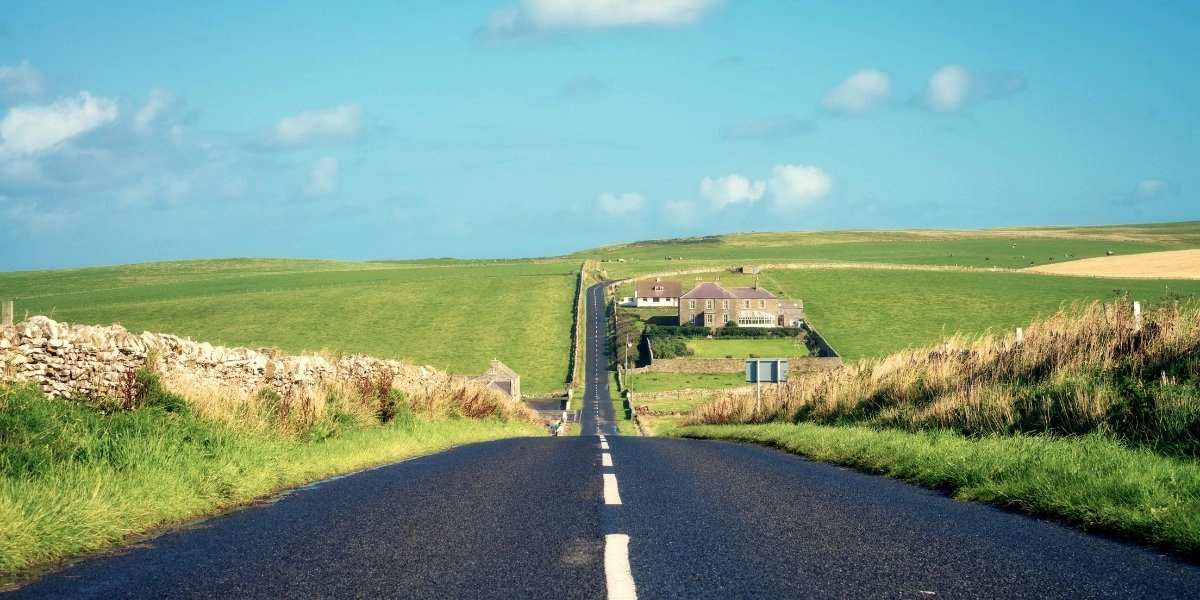
Best UK Road Trips: 18 Scenic Routes to Explore

Wales Road Trip: The Ultimate 14-Day Itinerary + Map
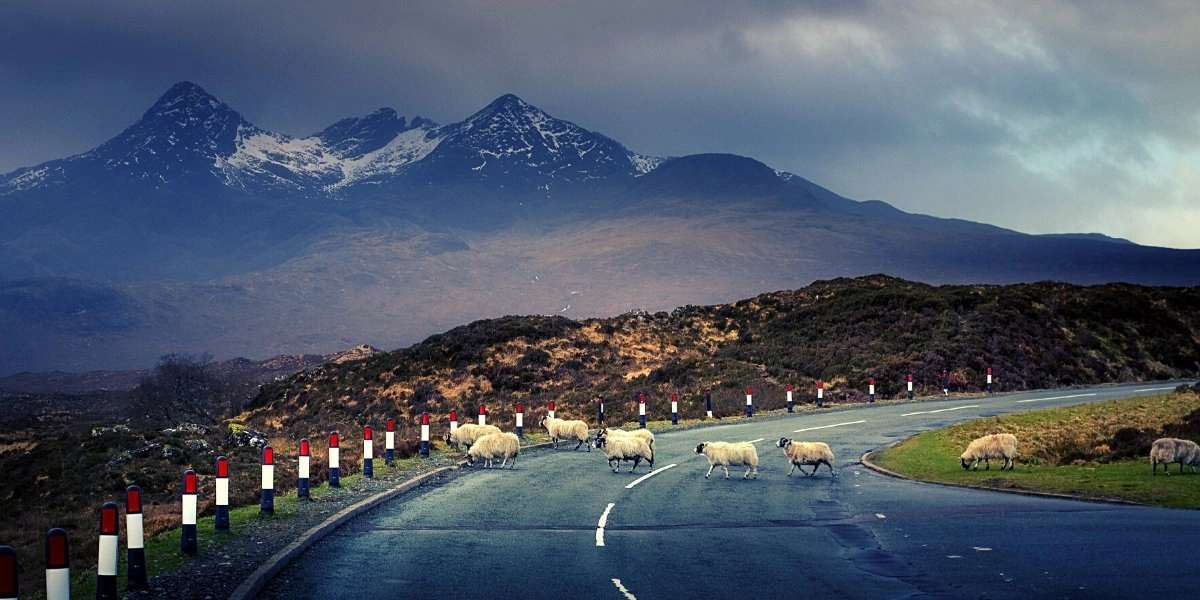
8 Best Scotland Road Trips: Scenic Routes, Driving Itineraries & Travel Tips

Causeway Coastal Route: The Ultimate Northern Ireland Road Trip

The 21 Best Motorhome Routes in the UK for an Amazing Adventure!

The Best Spring Road Trips in the UK: 15 Routes to Explore
Love it? Pin it!


