This post may contain affiliate links, from which we earn an income. Click here to read our affiliate policy.
Turkey is the perfect post-Brexit motorhome escape if you need to spend three months outside the Schengen Area. This diverse and seemingly endless country rewards travellers with breathtaking landscapes, huge skies and magical cities. Turkey delights and mystifies in equal measure.
Taking a motorhome to Turkey might seem intimidating at first. The culture is different, the country is huge, and the logistics can feel complicated. In reality, once you arrive, travelling in Turkey by van quickly becomes straightforward and incredibly enjoyable.
This guide covers everything you need to know about motorhoming in Turkey, including safety, border crossings, driving conditions, camping, costs, practical travel tips and all the best motorhome destinations.
Things to Know About Turkey
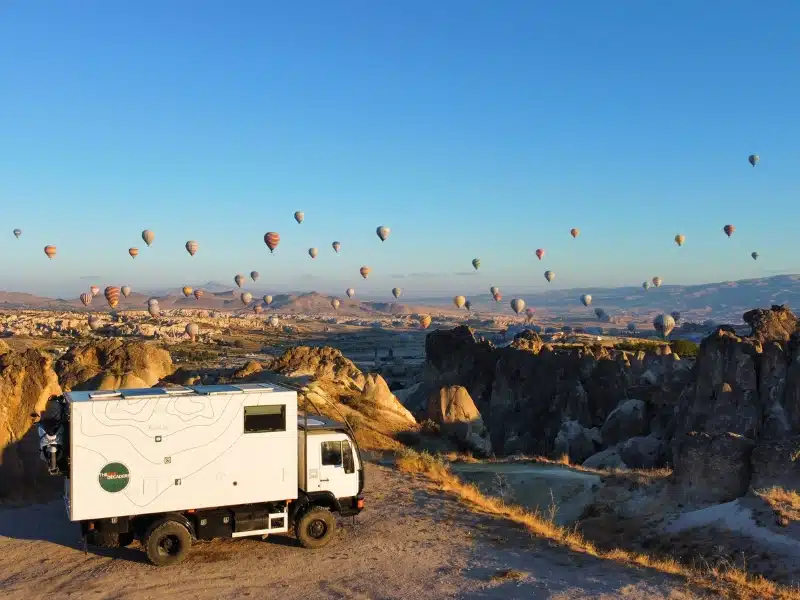
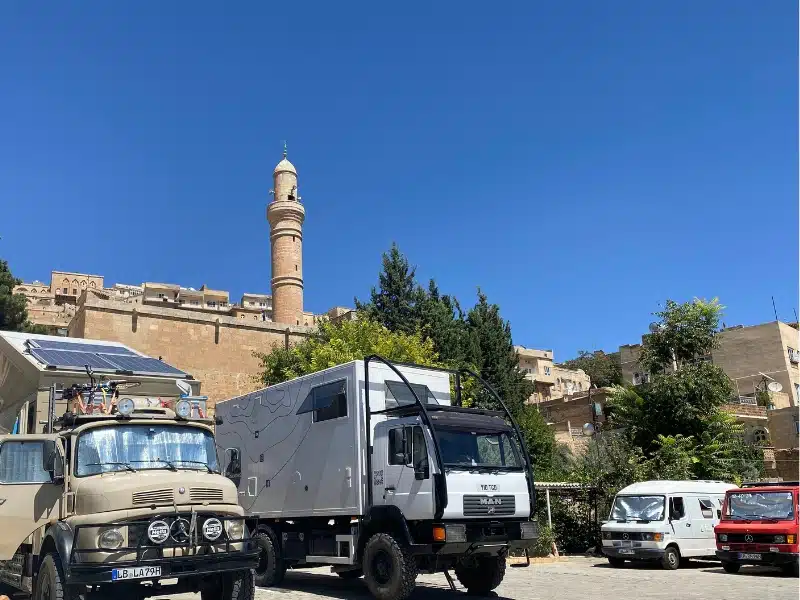
Although we travelled in an overland truck, it is totally possible to go everywhere we went in a motorhome. If you prefer to watch, head across to the Turkey playlist on our YouTube channel.
Religion
Turkey has cultural influences from Europe, Caucasia and the Middle East alongside its own Ottoman and Kurdish culture.
Turkey is officially a secular country with no official religion since Atatürk’s constitutional amendment in 1928. 99% of the Turkish population is Muslim. There are conservative areas in the south east and south central region of Turkey, but many citizens are moderate Muslims, and in the cities and tourist areas, alcohol is served, and the dress is very relaxed.
Things we may perceive to be limitations which derive from the Islamic religion are based purely on personal choice and family culture, and are not imposed by law in Turkey.
Infrastructure
Turkey’s economy has bucked the trend and grown in the early 2020’s, although inflation is high. Alongside the long-held desire to join the European Union, this makes for a fascinating and diverse country, where you’ll meet some of the friendliest and most welcoming people on earth.
There is huge government investment in the infrastructure, particularly the road networks, which, in the main, are excellent. Rurally, you will see poverty, with the average salary around £400 a month. Prices are a lot less than in the UK, especially in off-the-beaten-path areas. Expect to pay close to European prices on the coasts and in the cities.
Dress
There are no dress laws in Turkey, but you should be mindful of where you are and the context in which your dress should be considered. In conservative and rural areas, many women wear the hijab, headscarf, and cover their arms and legs.
Visitors to mosques should be dressed modestly, with long-sleeved tops and ankle-length trousers or skirts, and females should bring a scarf to cover their heads.
Weather
You can tour Turkey any time of the year, as there are seven distinct geographic weather and climatic regions, meaning you can always find the right weather.
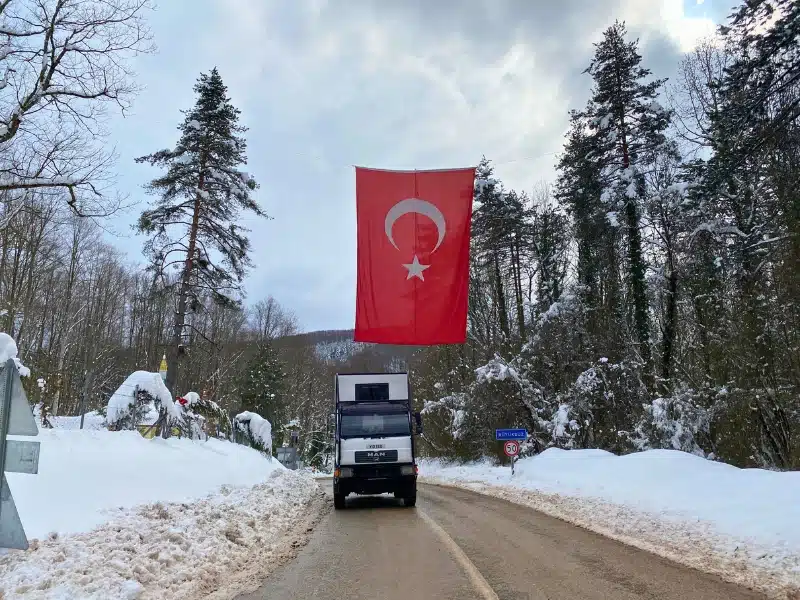
For winter sun, head for the Mediterranean coast, which is warmer and drier than the overcast Aegean coast. Temperatures can get to around 20 degrees Celsius, but it will be cold at night. Much of the rest of Turkey will be properly cold and wet in winter, and lots of places see snow.
In summer, parts of Turkey regularly push past 40 degrees Celsius, with little change between day and night temperatures. If you love the heat and travel during this time, head for the mountains, use campsites for shade and run a fan or air con if you have it, although most sites don’t offer more than 6 amps, which may not be enough.
Language
In rural Turkey and non-tourist cities, few people speak English; a translation app works well here, although some people are reluctant to speak into an app. A few words of Turkish go a long way; we use these daily and always get a smile:
evet = yes
hayir = no
lutfen = please
tesekkurler = thank you
merhaba = hello
gule gule = goodbye
Rubbish
Sadly, Turkey is plagued by a huge rubbish issue, and a culture that does not seem to promote or support people disposing of their waste correctly.
Wherever you go, you will encounter rubbish, and often the sheer volume makes it impossible to help and do a litter pick. You just have to learn to see past it.
Street Dogs
There are millions of street dogs in Turkey, abandoned and sometimes left to breed, if the municipality doesn’t have a programme in place.
In towns and cities, the dogs are usually cared for collectively and are often overfed, with street-side kennels provided for them to sleep in. In rural areas, this is not the case, and we’ve seen hundreds of injured and skinny dogs begging for scraps.
In the main, these dogs are friendly but often very dirty, so we avoid petting them. If you do feed a street dog from your van, they will probably hang around and start barking in the night to “protect” you; it’s a sort of double-edged sword.
Be aware that rabies is still present in Turkey, and there are high numbers of unvaccinated stray dogs and cats.
Is it Safe to Road Trip in Turkey?
Yes, absolutely, we think it’s one of the safest countries we’ve ever visited. There are a number of local laws and customs that you should be aware of:
Vehicle Insurance
You are required by Turkish law to have, at a minimum, third-party insurance, called zorunlu trafik sigortasi.
Sadly, many UK insurers have now stopped providing a green card for Turkey, and those that do will charge highly for it, and only offer third-party. The costs we have seen are coming in around £500 for 30 days.
Your final option is to purchase third-party insurance at the border in Turkey. It’s a very simple process; you arrive and let the customs officials know you need to buy insurance, and they will direct you to the government-approved insurance bureau. You will be required to provide your passport, driving licence and original V5, and your insurance certificate will be drawn up.
Expect to pay around £100 for 90 days’ cover for a motorhome, and £15 for 90 days for a scooter. You can pay by cash in Turkish lira or Euros, or by card. The certificate is in Turkish, but you will find a number to call should you wish to extend your cover or require assistance.
This cover only insures the vehicle when it is being driven by the owner, as displayed on the V5. You can ask the broker to add additional drivers if required.
Motorhome Security
Turkey is a fundamentally safe country, and the rate of vehicle theft has dropped steadily since 2004.
If you’re intending to visit a city, find an aire, campsite or otherwise guarded or manned place to park for a few nights rather than parking in a regular car park. Take the usual precautions and follow the advice in our post about staying safe in your motorhome. Otherwise, we don’t believe additional measures are necessary.
Personal Safety
Turkish people are amongst the friendliest we have met in the world, and love to put themselves out to help. Unlike other countries, where payment is then expected, Turks are often insulted if you try to give them money. Instead, they will place a hand over their heart and tell you it is an honour for them, and they really do mean it.
Then they’ll invite you into their home for çay, sweet black tea, pronounced chai. Of course, you must assess each situation, and undoubtedly, there are bad ’uns in Turkey, just like in every other country. But our overriding experience has been incredibly positive, and we have learned to engage with openness instead of suspicion.
Theft is not a big problem outside of cities. When in busy places, carry your bag on your front and be vigilant when using ATM’s. Be respectful of your environment, dress appropriately and don’t flaunt your wealth.
Breakdown Cover
None of the major UK breakdown insurance companies includes the Asian side of Turkey in their European cover. Once you cross the Bosphorus, you’re on your own.
But if you do break down, then Turkey is the place to do it.
Resourceful, helpful and knowledgeable, the highly skilled mechanics of Turkey have a fix for everything and don’t require you to make an appointment and return in 6 weeks.
If your van is drivable, make for the nearest sanaye sitesi, or industry site. All towns and cities have these areas, full of workshops, tyre places and motor factors. Google workshop or tyre shop and you’ll see a cluster together – that’s where you’re heading.
If you need to be recovered, locals will be able to help with phone calls. We’ve needed several repairs in Turkey, and work that would have cost hundreds in the UK has cost 10% of that in Turkey.
Travel Insurance
A long-held frustration of ours is that, as motorhomers, we don’t need all the frills of travel insurance, just the medical and repatriation bits.
The best provider we have found is True Traveller. They give a good level of cover, including some sports not covered by other insurers, and you can purchase this when you’ve already started travelling.
Remember that your GHIC doesn’t cover Turkey.
Documentation
Your passport should be valid for at least six months from the date you arrive in Turkey, and there should be a full blank page for the entry and exit stamps. UK and EU residents do not require a visa to enter Turkey for up to 90 days in any 180-day period. Other nationalities should check whether an evisa is required.
If you plan to remain in Turkey for a period of more than 90 days, you should either apply for a longer stay visa before you travel or get a residence permit from the local authorities in Turkey before your 90-day stay has elapsed. You can find out more from the Turkish Ministry of Foreign Affairs.
You will require the following documents when travelling in a motorhome or campervan in Turkey:
Preparing Your Motorhome for Turkey
Roadworthiness
Make sure your vehicle is in tip-top condition. The Turkish are a resourceful people, can seem to fix most things and will willingly help, but this won’t be in any recognised garage, and any work is unlikely to be warranted. Prevention is always better than cure.
Ideally, have a service before setting off and make sure your tyres, including the spare, and windscreen are in good condition.
LPG
LPG at the pump is common in Turkey, with many more fuel stations than in the UK offering this service. Refillable systems use the clawgun fitting, the same one you use for France, Italy and Greece.
It is generally not possible to refill UK bottles in Turkey unless you have bottles which are designed to be refilled, like Safefill or Alugas.
Bottled gas, called tüp gaz, 70% butane and 30% propane, comes in 12kg cylinders and is readily available from garage forecourts and DIY shops, although you will need specific Turkish fittings, which can be bought at any DIY shop in the country.
Aygaz and Milangaz are the two main suppliers of gas bottles, and a 12kg bottle costs around TRY 350 to buy for the first time.
Electric and Solar
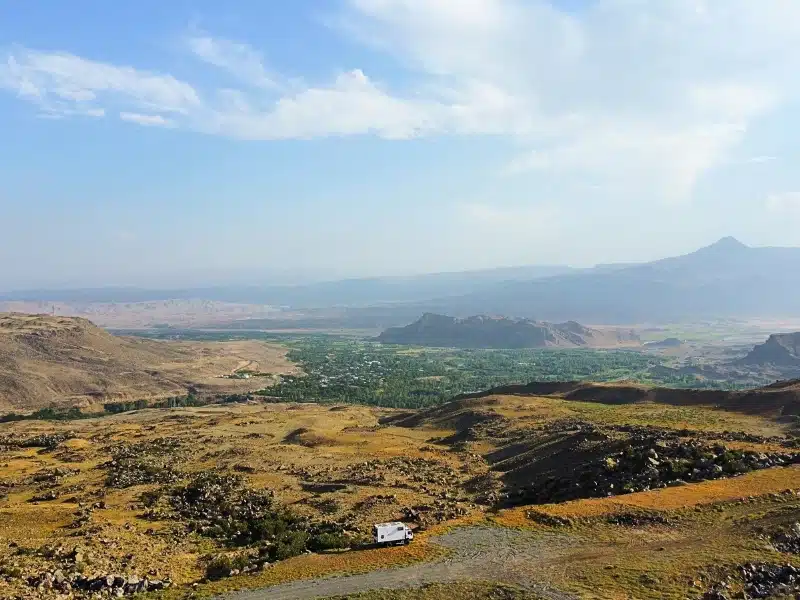
Turkey is the perfect country for solar power; if you fit the right amount of panels and batteries, you’ll never need to plug in again. Even if you prefer sites, the minute you head into the interior, you’ll find there are very few options for camping, making solar a must.
The electricity supply in Turkey is not like that of Europe. Most sites offer 6 amps or power from a lighting circuit, and on top of that, the voltage is often irregular. Trips are frequent and may occur ten times a day or not at all; sometimes this depends on how many other vans are on site and how far along the supply you are.
You will need a domestic two-pin plug to plug in at all campsites and a long cable, at least 25m, as often EHU points are few and far between. Make sure that you charge devices when on the move. We also carry several power banks, which are always charged for emergency electrical failure, and a portable solar charger can help get through dull days.
Water
If you plan on wild camping and filling up at the roadside, you will need a universal tap connector or a 12-volt water pump and bucket, as the variety of taps and fittings is huge.
We would also recommend fitting a filter either pre-tank or on a tap. We have a fitted 3M E2 Water Filter Kit, which means we don’t need to buy bottled water, where spring water is not available.
Money
The currency is the Turkish Lira or TRY, and sometimes TL. One lira is divided into one hundred kuruş.
Cash vs. Card
Turkey is a cash-driven economy. In the countryside, debit and credit cards are rarely accepted unless you are in a large supermarket, for example.
Carry plenty of cash with you and make sure you can access additional funds in case of emergencies. ATM’s are widely available at both brick-and-mortar banks and at portable ATM points. Most will charge TRY 100 to make a withdrawal, with some charging as high as 7%.
Halkbank is the best bank to use, as you can withdraw money with no fee. Ziraat Bank, Turkey’s state-owned bank, does not always charge, but this can be hit and miss. If you use your usual credit or debit card, you may be charged for making a cash withdrawal or purchase by your bank. Plan to use a pre-loaded currency card or travel-friendly credit card.
Cost of Living
The cost of living in Turkey is less than that of Europe, especially if you stick to food grown locally. To help you plan your budget, here is a brief list of items with their 2026 cost:
Diesel – TRY 60
Site fees – TRY 200-300 inc EHU
Eating out pp – TRY 50-200
Fresh milk – TRY 15 per litre
Bananas – TRY 15 per kg = £1.10
Chicken breast – TRY 50 per kg
Eggs – TRY 12 per 6
Local bread – TRY 10
Potatoes – TRY 10 per kg
Bottled water – TRY5 per 1.5ltr
Shopping
The best fruit and veg come from markets and roadside stalls, where whatever is in season is abundant and cheap. Things like fast food, Burger King and McDonald’s, Coca Cola and other branded soft drinks, Magnums (who doesn’t like a Magnum) and European chocolate are surprisingly cheap, at least 70% less than their equivalent cost in the UK.
Alcohol, where you can find it, is expensive, with a bottle of wine or gin costing the same as in the UK. Smaller towns will have shops like BIM and A101, which stock the basics, including fresh bread, fruit and vegetables and dairy. Around big towns and cities, you’ll find supermarkets like MMM Migros and Carrefour, which stock a good selection of Turkish and more Western products.
For bacon butty lovers, note that it’s almost impossible to buy pork products in Turkey.
Data and Connectivity
You will not be able to use your data, make telephone calls or send texts with your normal UK provider, unless you are happy with a second mortgage to pay the bill, or have worldwide roaming. The best option is to buy a local data-only SIM card or an eSIM. You will find that 4G coverage is widespread and generally of good quality.
Buying and Using a Turkish SIM Card
Turkey has three big providers, Turkcell, Turk Telecom and Vodafone. We tried all three, and Turkcell has by far the best coverage, and an easy-to-use app allowing you to top up without going into a town, although there is no shortage of shops and resellers.
All Turkish operators are allowed to set prices at the shop level, so you may find you pay more in a tourist area or at the border. All providers offer a Tourist Welcome Pack, the details of which are the same wherever you go.
SIMs are usually valid for 28 days and come pre-loaded with 20gb of data, 200 minutes and unlimited texts. A Turkcell Tourist Welcome Pack costs between TRY 1800 and 2000. As long as you top up with data prior to the end of the 28 days, you can continue using this SIM.
Download the Turkcell app and set it to English, and you can then buy data packs online, as well as in any Turkcell shop or reseller outlet. Sometimes, the transaction is declined in the app due to using a UK credit card. Just keep trying, and it will work. Expect to pay around TRY 300 for 30gb, again, this can vary by shop, but if you say what you’ve paid before, the seller generally accepts this and amends their rate.
If you want to use a MiFi device, it’s wise to take it with you so you can ensure the SIM is activated and working.
You can also use a provider like Airalo or Holafly to buy a Turkish eSIM, although considerably more expensive.
Watching UK TV
Turkey does not allow the use of VPNs if you want to stream UK programmes. But there are ways around this. Make sure to download a VPN to your phone or streaming device prior to entering Turkey, as you won’t be able to access the app or web page once in Turkey.
We advise using Nord VPN as you can obfuscate the server, which means that not only can the BBC, Amazon, etc. not see you are using a VPN, but neither can the Turkish authorities. Follow their instructions for using obfuscated servers in their app, and you’ll be able to stream UK TV right across Turkey.
More Turkish Travel Inspiration
Getting to Turkey
Sadly, there is no ferry from England to Turkey, or even a direct ferry from mainland Europe, including Greece, to Turkey. It would make life much easier if there were, but for now, you have two realistic options: take a ferry from Italy to Greece and drive the rest of the way, or drive overland through Bulgaria.
For many motorhomers, the Italy to Greece route is the more appealing choice, especially if you do not fancy driving the whole distance across Europe.
Ferries from Ancona in northern Italy sail to Igoumenitsa in Greece, and the crossing takes around 20 hours. One of the big advantages of this route is that you can usually stay in your motorhome on deck, which makes the journey feel much less like a slog and more like part of the adventure. Once you arrive in Greece, it is then about a seven-hour motorway drive on the E90 to the Turkish border.
If you choose to enter Turkey from Greece, the overland crossing is at Ipsala. It is a busy border and not one to underestimate, as it can easily take more than four hours to get through. It is still a popular route, though, because it breaks up the long drive nicely and avoids having to cover the whole journey by road.
The other option is to drive overland through Bulgaria. There are three border crossings between Bulgaria and Turkey: Kapitan Andreevo, Malko Tarnovo and Lesovo. Of the three, Lesovo is generally the quietest. Even so, you should still expect the crossing to take around three to four hours.
Whichever route you take, it is worth building in extra time and a bit of patience. Getting into Turkey is rarely difficult, but it is very rarely quick.
At the Border
Be Prepared
Plan to cross as early in the morning as possible, to give yourself time for the red tape and to orient yourself in Turkey once you arrive. A couple of miles from the border, you’re likely to see lorries lining the roads as they wait to cross. These are freight, and you’re a motorhome, so just bypass them with caution.
Make sure to have your passports, original V5, often called the vehicle passport, and the vehicle owner’s driving licence and IDP to hand. Follow the route for cars, and at the border itself, there will be one set of buildings for the country you’re departing, a stretch of no-man’s land, usually about a kilometre or so wide, and then the crossing for the country into which you’re entering.
Leaving the EU
Leaving the EU is relatively straightforward. It’s really important that you make sure your passport is stamped as you exit, to evidence you’ve left the Schengen area. If the border guard does not automatically stamp your passport, ask them to do so. Calculate your Schengen days carefully; the day you cross is counted as one day in the EU and also one day in Turkey.
Entering Turkey
The first time you cross an overland border outside the EU can be confusing. There often doesn’t feel like there’s any order, and you can be left standing around a bit. As you approach the first checkpoint, which is usually passport control, you’ll be asked to stop and exit the vehicle. Customs police may want to look inside, and they may ask for your motorhome to be X-rayed. At this point, only the driver can stay with the vehicle, and the passenger or passengers have to exit and go through passport control separately as pedestrians.
Once the physical checks have been done and the passengers have been stamped in, you’ll be moved on to the next checkpoint, where your motorhome needs to be temporarily imported. This is the bit that takes the longest, and it’s at this point that you’ll need to produce your green card or go and buy insurance.
Once everything is entered onto a computer, you’ll be allowed to go, although there is often a final stop for your documents to be checked just as you leave.
There are limits to the amount of alcohol and cigarettes you can take into Turkey, although we’ve always taken way more booze, and even though we’ve been x-rayed, it wasn’t even mentioned. You don’t need to buy a visa or pay to take your vehicle into Turkey, so if you’re asked to pay anything, question what it’s for.
After the border, there are usually places where you can access an ATM and a mobile internet provider for a SIM card, although you’ll pay a premium here.

Driving a Motorhome in Turkey
Turkish Roads
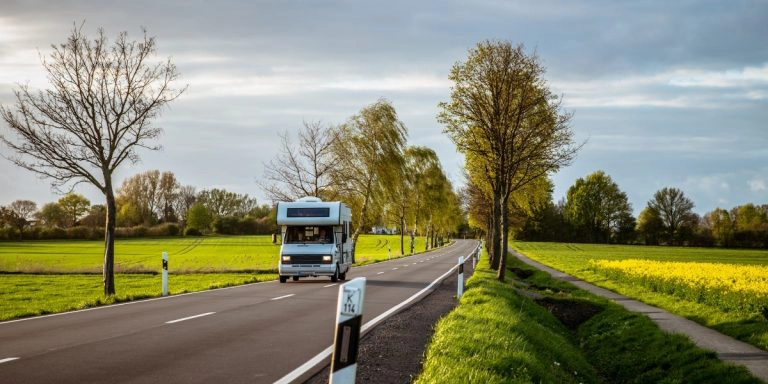
Many Turkish motorways and roads are in excellent, well-maintained condition, especially those close to larger cities and along the coasts. Many roads are quieter compared to the UK, but as you approach towns and cities, the traffic starts to get heavier.
Turkish drivers are a bit of a mixed bag, generally steady on motorways and main roads, but becoming careless and erratic in cities. Follow our tips and go slow until you’ve found your feet:
Navigation in Turkey
Your regular sat nav and Google Maps all work well in Turkey. We run both together, with the sat nav being configured for our truck. Invariably, both come up with the same route, leading us to believe that low bridges and height restrictions aren’t a thing in most of Turkey.
As always, there are exceptions, though. Be mindful in Istanbul, where low bridges are a bit of a nightmare, which we found out the hard way!
Police Checks
There are fairly regular police and army checkpoints along roads into and out of towns and cities, especially close to the borders with Armenia, Iran and Syria. The road is diverted by traffic cones into a roofed structure, where your passport and vehicle documents may be checked. This is a routine part of life in Turkey and nothing to be worried about.
Fuel
In Turkey, diesel is called motorin, and unleaded is benzin. There are two classes of diesel in Turkey, regular and Euro. If you have a Euro 6 engine, you must use the latter.
Fuel stations in busy areas feel similar to those in Europe and are self-service, although there are always forecourt staff on hand to assist. Most now require you to pay in advance with a card.
In rural areas, your tank will be filled for you, and payment is usually in cash, unless you’re happy to pay a 2 to 3% surcharge to use a card.
Toll Roads in Turkey
You do not have to use toll roads in Turkey, but around Istanbul and on many major motorways, they make travelling much quicker and easier.
Turkey uses an electronic toll system called HGS (Hızlı Geçiş Sistemi). There are no traditional toll booths on most motorways. Instead, overhead gantries read your vehicle registration number as you drive underneath, and the toll is deducted automatically from your HGS account.
The easiest way for foreign vehicles to use the system is to open an HGS account and get a windscreen sticker. This links your vehicle registration number to your toll account.
You can get the sticker, which costs TRY 60, at any PTT post office, which is the Turkish national postal service. Most towns have one. Take your passport and vehicle registration document (V5) and ask for HGS for a foreign vehicle. The staff will register your vehicle in the system, give you the windscreen sticker and add credit to your account.
The sticker itself costs very little. Most of the money you pay goes onto your toll balance. Many travellers load around TRY 500–1000, which is usually enough for several motorway journeys.
Once your account is set up, you simply drive under the HGS gantries and the toll is deducted automatically. There is no need to stop.
You can check your balance or add credit at any PTT branch, which is usually the easiest option while travelling. If you leave Turkey with unpaid tolls on your account, they will normally need to be settled before you are allowed to exit the country.
Turkish Stopovers
Motorhome stopovers in Turkey broadly fall into three categories. We found Park4Night to have the best options for finding places to stay.
Motorhome Campsites in Turkey
Motorhome campsites in Turkey are plentiful around all major towns on the tourist path, but are harder to find in out-of-the-way spots.
Although there has been an explosion in motorhome travel in Turkey, the provision of services has yet to catch up. Do not expect European standards in Turkish campsites; most are basic and don’t offer frills. What you will get, though, is a great welcome and help with any problems you may have.
Sanitary facilities vary greatly. Some sites only have squat toilets, and in many, water is heated by solar, so you’re out of luck if it’s a dull day or late in the evening. Ask the campsite staff whether the water is safe to drink before filling up.
Most sites don’t have specific waste facilities, with black waste going down the loo and grey waste being dropped wherever you’re camping, at the request of site staff.
Expect to pay somewhere around TRY 500 a night for a Turkish campsite, with prices rising along the Mediterranean and Aegean coasts. Most will only take cash.
Aires
Although you’ll see aires displayed on Park4Night, they are not usually like French or Spanish aires. Often, this is an area for motorhomes in a restaurant or guest house car park, with limited or no facilities. You may be asked to pay a few lira for the space.
Wild Camping
In January 2023, a new law came into force banning wild camping in Turkey. This is aimed at forcing people into using campsites, so the government can collect a new tourist tax. It may well be policed along the coasts and in areas like Cappadocia, but in remote places away from the coast, even a few miles inland, it’s likely that nothing will change.
Occasionally, you might get moved on, usually in a very friendly way, for security reasons. This is usually if you’re close to the borders with Armenia, Iran and Syria, or if you’re close to historic sites. If you find a quiet and secluded spot in the middle of nowhere, the chances are you’ll go totally unnoticed, especially if you don’t practise camping activities and don’t go in a large convoy.
Motorhome Services in Turkey
Drinking Water
Tap water in Turkey is safe to drink, although it doesn’t always taste very nice, and the locals would advise you against it. Fit a filter to be on the safe side, or buy bottled water if you can’t access spring water.
We found fresh water pretty easy to come by across the whole of Turkey, and used Park4Night to identify places. Along most roads, water taps are provided for locals to fill their bottles, and these invariably come from a local spring water source.
There are a few areas, Istanbul, the coasts and Cappadocia, of note, where there is no spring water and limited opportunities to fill up outside of sites. Garages, shops and restaurants are usually happy to let you fill up, and often when we’ve tried to pay, it has been refused.
Motorhome Waste
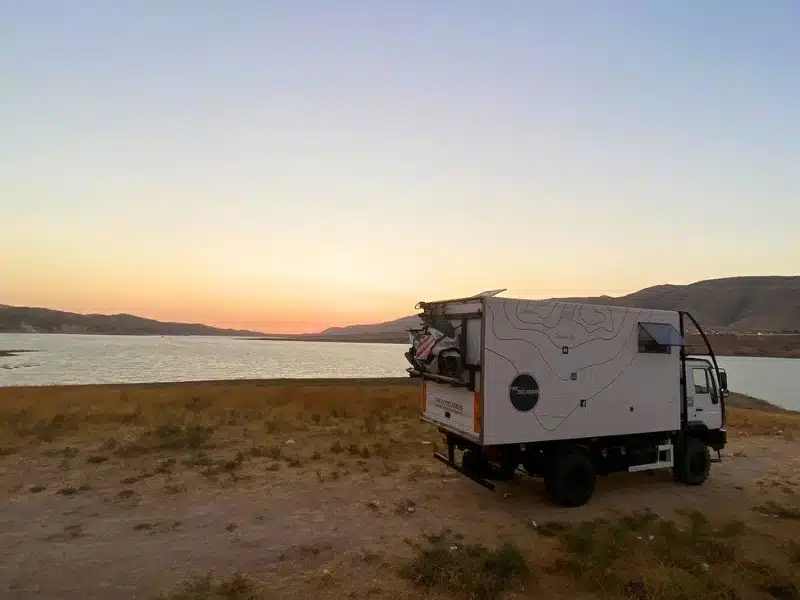
In our three months in Turkey, we didn’t see any black or grey waste disposal points. We have a compost toilet, so emptying the urine container and bagging the solids was no problem. Despite the rubbish lying around, there are loads of roadside bins.
Emptying a cassette toilet may be a little more challenging, and public toilets are few and far between. You may feel more comfortable emptying in a campsite. There is so much wasteland and rubbish in the country, we figured our bit of grey waste wouldn’t really make any difference.
Turkish Motorhome Destinations
Aegean Region
Turkey’s Aegean coast is one of the country’s most appealing road-trip regions, where long seaside drives wind through olive groves, vineyards and charming coastal towns. With its turquoise bays, laid-back lifestyle and incredible archaeological sites, the region blends beach holidays with thousands of years of history. Roads here are excellent, and distances between attractions are manageable, making it an easy area to explore by car.
Many motorhomers base themselves in vibrant Izmir, a lively port city with great food and nightlife, and then venture out to some of Turkey’s most famous historical sites. The extraordinary ruins of Ephesus, once one of the greatest cities of the ancient world, lie just an hour south, while Pamukkale’s dazzling white travertine terraces and the ancient spa city of Hierapolis sit inland. Smaller seaside towns, ancient harbours and hidden beaches mean you can easily spend weeks exploring the Aegean coastline.

Black Sea Region
The Black Sea region feels like a completely different country from the sun-bleached Mediterranean coast. Here the landscape is lush, mountainous and green, with misty forests, tea plantations and dramatic cliffs dropping down to the sea. The cooler, wetter climate gives the region a distinctive character, and the winding roads through valleys and mountains make it one of the most scenic drives in Turkey.
One of the highlights is Safranbolu, a UNESCO-listed town famous for its beautifully preserved Ottoman houses and cobbled streets. Further east, the spectacular Sumela Monastery clings impossibly to a cliff face in the Pontic Mountains, surrounded by dense forest and deep valleys. Travelling through the Black Sea region offers a glimpse of traditional Turkish life, with fishing villages, mountain plateaus and welcoming small towns along the way.

Central Anatolia Region
Central Anatolia forms the heart of Turkey, a vast high plateau surrounded by mountains and dotted with historic cities, ancient caravan routes and dramatic landscapes. Long stretches of open road cut through rolling steppe and farmland, giving road trippers a real sense of the country’s scale. Winters here can be cold and snowy, while summers are hot and dry, but the wide skies and empty landscapes make it a fascinating region to explore.
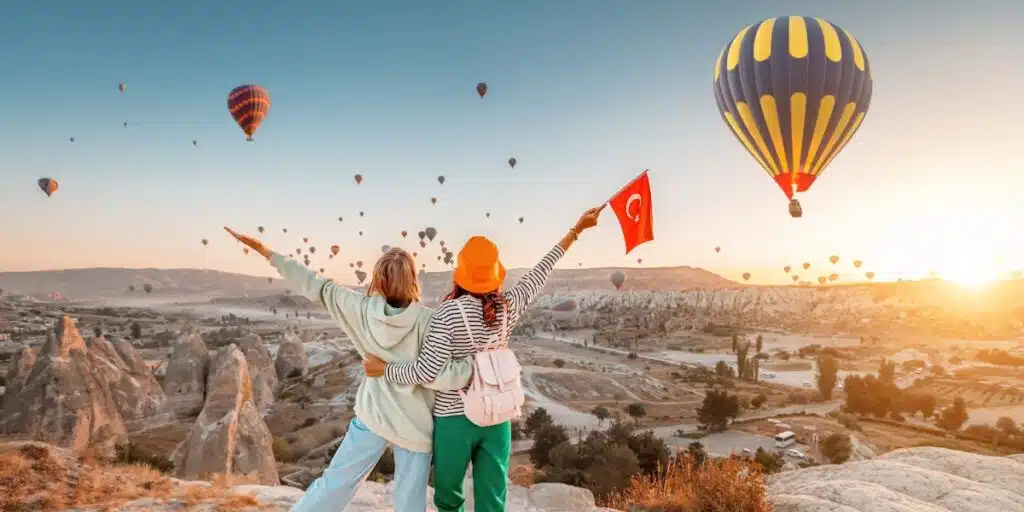
The region is home to the capital city, Ankara, which offers impressive museums and historic landmarks such as the Museum of Anatolian Civilisations and Atatürk’s mausoleum. Further south lies Konya, one of the oldest continuously inhabited cities in the world and the spiritual home of the whirling dervishes. The real showstopper of Central Anatolia, however, is Cappadocia, with its surreal volcanic landscapes, underground cities and sunrise skies filled with hot air balloons.

Eastern Anatolia Region
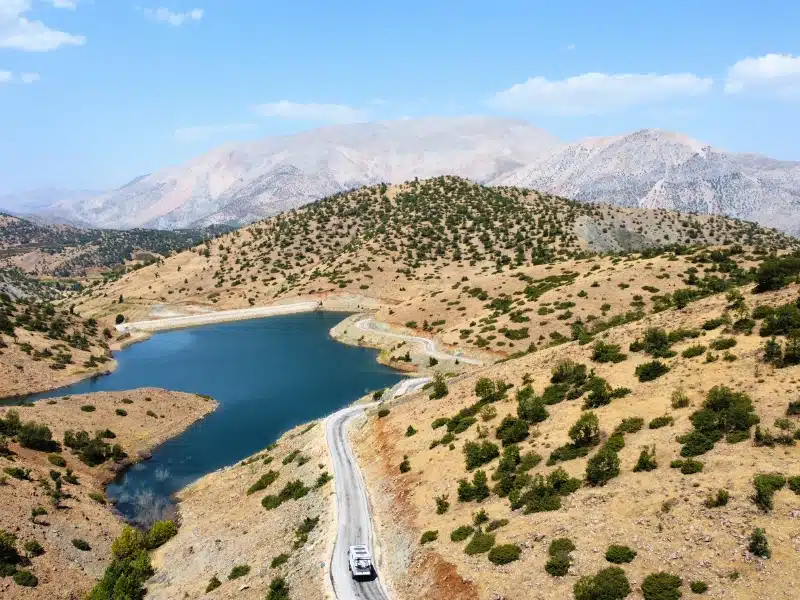
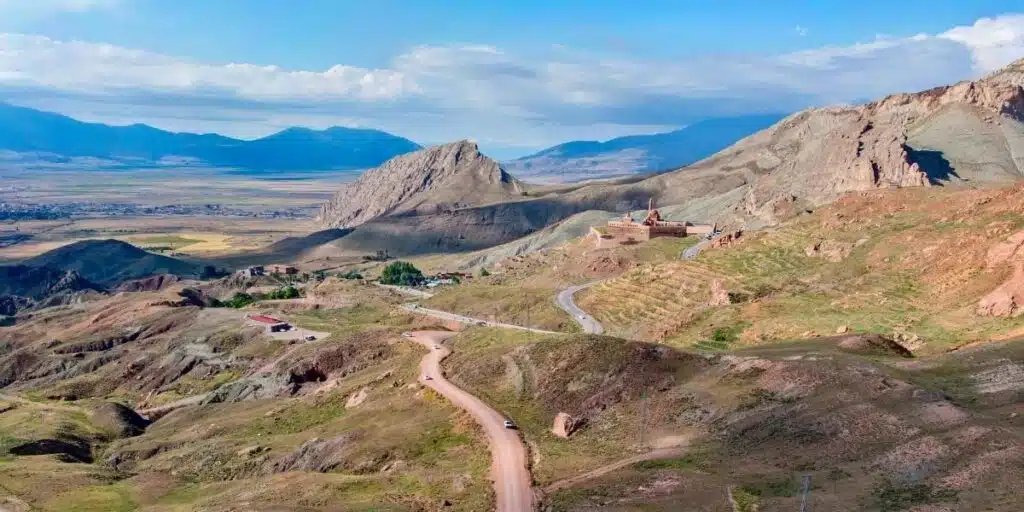
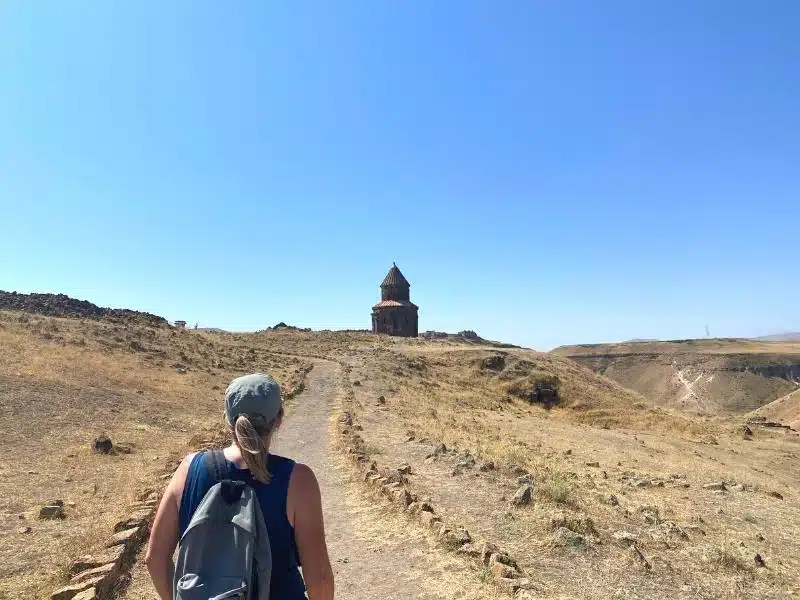
Eastern Anatolia is Turkey at its most dramatic and remote. This mountainous region bordering Armenia, Iran and Georgia is home to towering peaks, vast plateaus and some of the country’s most atmospheric historical sites. The roads here pass through wide open landscapes where small villages sit beneath snow-capped mountains and ancient ruins appear unexpectedly on distant hillsides.
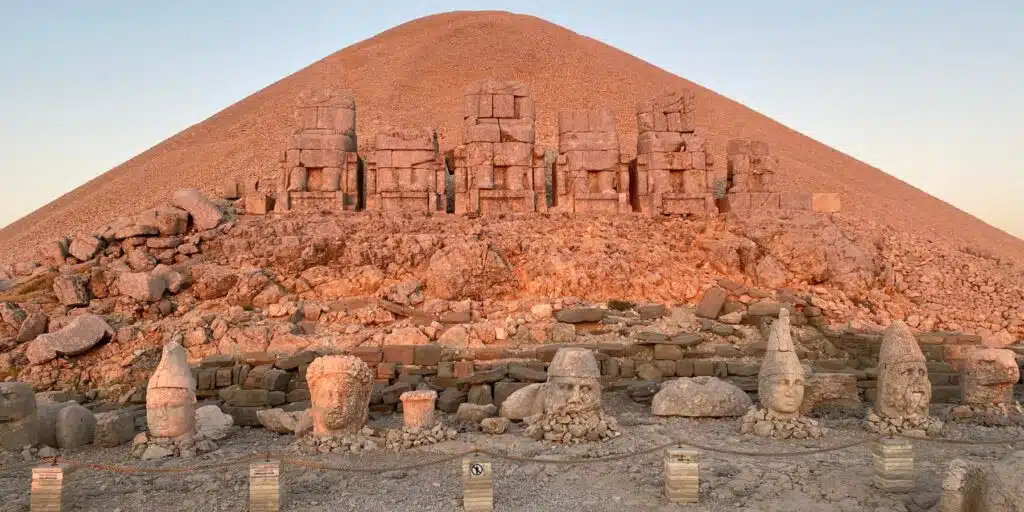
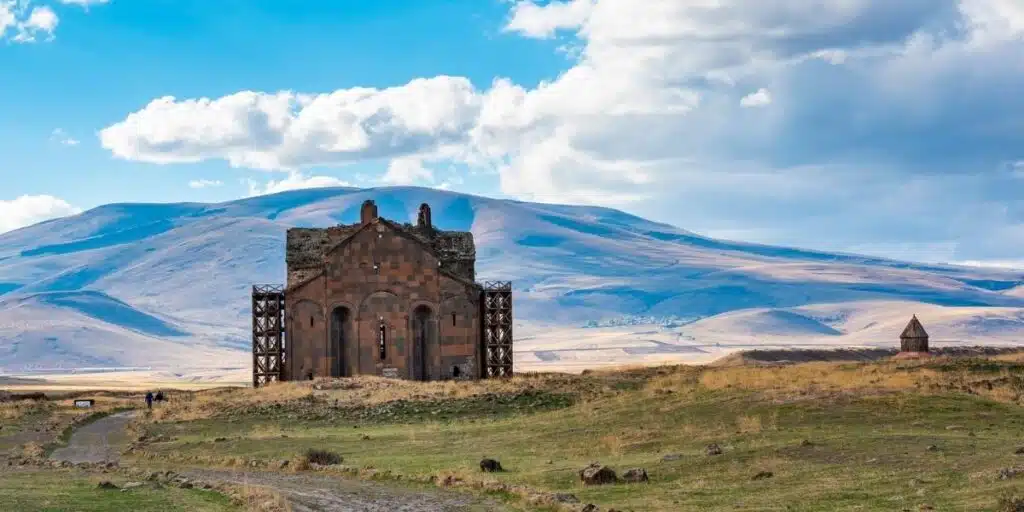
One of the most extraordinary places to visit is Ani, the haunting ruins of a once-great medieval city perched above a deep gorge on the Armenian border. Nearby stands the legendary Mount Ararat, the snow-capped volcano traditionally associated with the resting place of Noah’s Ark. Further south, the mysterious summit of Nemrut Dağı is famous for its colossal stone statues, which glow golden at sunrise and sunset in one of Turkey’s most unforgettable landscapes.
Marmara Region
The Marmara region sits at the crossroads of Europe and Asia and is home to some of Turkey’s most historically significant cities. This area surrounds the Sea of Marmara and includes both the European and Asian sides of the country, making it the cultural and economic gateway to Turkey. The roads here are busy but well-developed, and the region is packed with fascinating stops for history lovers.
Istanbul is the star attraction, a city where Byzantine churches, Ottoman mosques and bustling bazaars sit side by side across two continents. To the west lies Edirne, once the Ottoman capital and home to the magnificent Selimiye Mosque, while further south, the Gallipoli Peninsula offers a moving insight into the First World War campaign fought here. Travelling through Marmara reveals the layers of history that have shaped modern Turkey.

Mediterranean Region
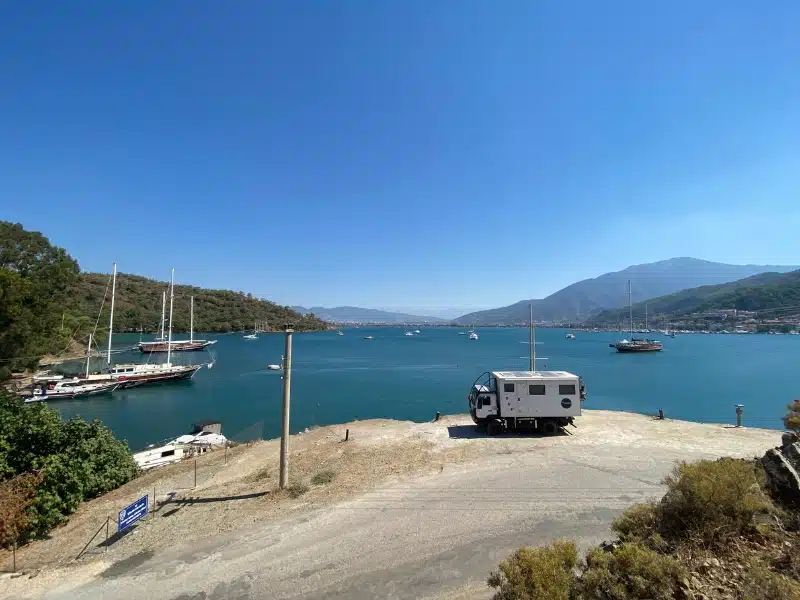
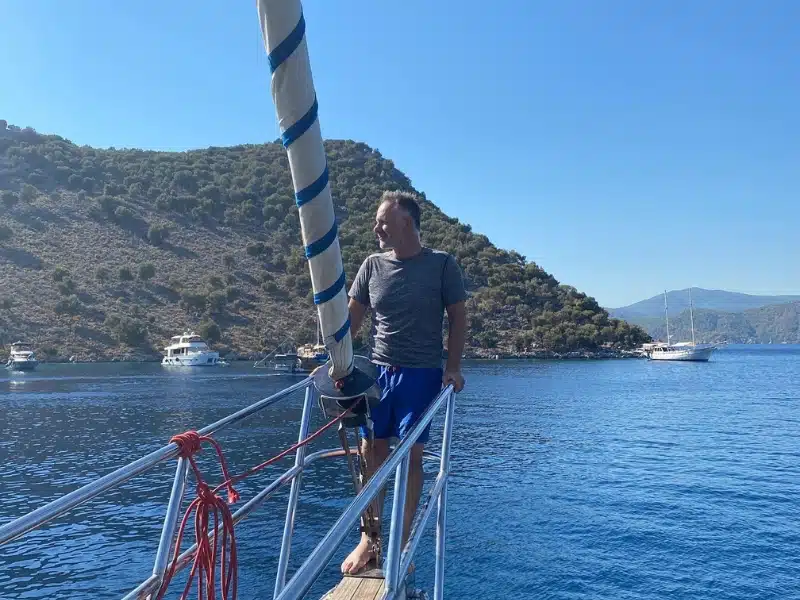
The Mediterranean region stretches along Turkey’s famous Turquoise Coast, where dramatic mountains plunge into sparkling blue water and ancient ruins sit beside lively beach towns. This is one of the most popular areas of the country for road trips, thanks to its warm climate, stunning coastal scenery and excellent roads hugging the shoreline.
Antalya acts as the gateway to the region, combining historic old-town streets with easy access to incredible archaeological sites such as Aspendos, Phaselis and Myra. Further west, Fethiye offers beautiful beaches, vibrant marinas and access to the famous Blue Lagoon at Ölüdeniz. From here you can explore the Lycian Way, hidden coves and ancient cities scattered along one of the most beautiful stretches of coastline in the Mediterranean.
Southeast Anatolia Region
Southeast Anatolia is one of the most culturally rich and historically fascinating parts of Turkey. Sitting on the edge of ancient Mesopotamia, this region has been home to some of the world’s earliest civilisations and still feels very different from western Turkey. The landscapes are dry and dramatic, with fertile plains, stone cities and bustling markets that reflect centuries of trade and cultural exchange.
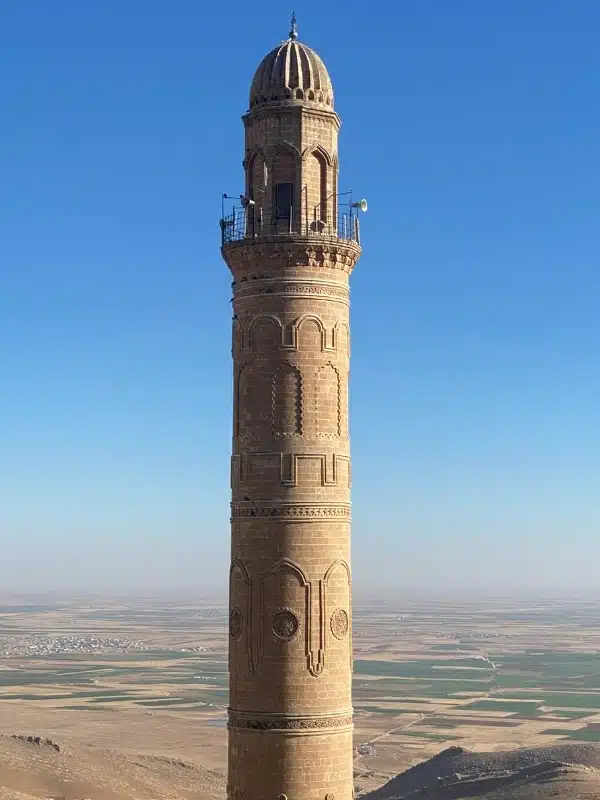
Cities like Gaziantep and Diyarbakir showcase the region’s deep history and unique culture, from Roman walls and ancient mosques to vibrant bazaars and world-famous cuisine. Further south, the hilltop town of Mardin overlooks the vast plains of Mesopotamia and feels almost Middle Eastern in character. Nearby is Şanlıurfa, known as the “City of the Prophets” and the gateway to Göbekli Tepe, one of the oldest known archaeological sites in the world.