This post may contain affiliate links, from which we earn an income. Click here to read our affiliate policy.
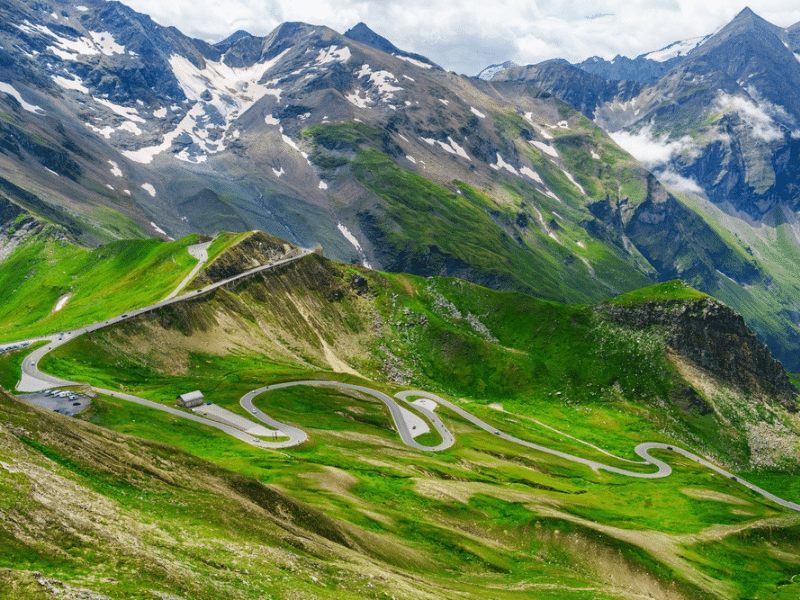
Austria feels as though it was designed for road trips. Snow-capped Alpine peaks rise above emerald valleys, medieval towns sit beside crystal-clear lakes, and scenic roads connect destinations that seem pulled from a travel photographer’s portfolio. While Vienna and Salzburg attract much of the international attention, some of Austria’s most rewarding experiences are found between the cities rather than inside them.
Driving gives travelers the freedom to discover those places on their own schedule. A train may efficiently connect major destinations, but it cannot easily deliver you to a mountain viewpoint at sunrise, a lakeside village hidden from tourist crowds, or a family-run inn in a remote Alpine valley.
For visitors planning a self-drive holiday in Europe, Austria offers an ideal combination of excellent roads, manageable distances, spectacular scenery, and reliable infrastructure. Whether you’re traveling as a couple, a family, or a group of friends, a well-planned Austrian road trip can become one of the highlights of a European journey.
Enjoy The Gap Decaders? Add us as a preferred source on Google.
Why Austria Is Perfect for Exploring by Car
Few countries offer such variety within a relatively compact area.
In a single week, travelers can experience imperial cities, mountain passes, wine regions, alpine lakes, historic monasteries, and hiking trails without spending endless hours behind the wheel.
Austria’s road network is among the most reliable in Europe. Major motorways provide fast connections between regions, while secondary roads often deliver some of the country’s most memorable scenery. The infrastructure is modern, fuel stations are plentiful, and navigation is generally straightforward even for visitors unfamiliar with European driving.
Perhaps most importantly, Austria rewards those willing to leave the main tourist routes. Some of the country’s most beautiful villages and landscapes are difficult to reach without a car.
A Suggested 10-Day Austria Road Trip Route
While countless itineraries are possible, one of the most balanced routes combines Austria’s cultural highlights with its natural beauty.
Begin in Vienna, where visitors can spend two days exploring grand palaces, historic cafés, museums, and elegant boulevards. From there, head west toward the Wachau Valley, one of Austria’s most picturesque wine-growing regions. The drive along the Danube River offers charming villages, vineyards, and medieval landmarks.
Continue toward Salzburg, a city famous for its baroque architecture and connections to Mozart. Spend time wandering the Old Town before heading into the surrounding mountains.
From Salzburg, drive south through the Salzkammergut region, often considered one of Austria’s most beautiful areas. Lakes such as Wolfgangsee, Mondsee, and Hallstätter See provide endless opportunities for scenic stops.
The route can then continue through Hallstatt, Innsbruck, and parts of Tyrol before looping back toward Vienna through central Austria.
The distances are comfortable, allowing travelers to enjoy both the journey and the destinations.
Vienna: The Ideal Starting Point
Most international visitors arrive through Vienna International Airport, making the capital a logical starting point.
Although Vienna is highly walkable and well connected by public transport, spending a couple of days in the city before collecting a rental car is often the most practical approach.
Driving in Vienna’s historic center can be challenging due to traffic restrictions, one-way streets, and parking regulations. Once you’ve explored the city, picking up a rental vehicle and heading toward the countryside usually makes more sense than driving within the capital itself.
For travelers arriving from neighboring countries, Vienna also serves as an excellent gateway to broader Central European road trips.
The Wachau Valley and Danube Region
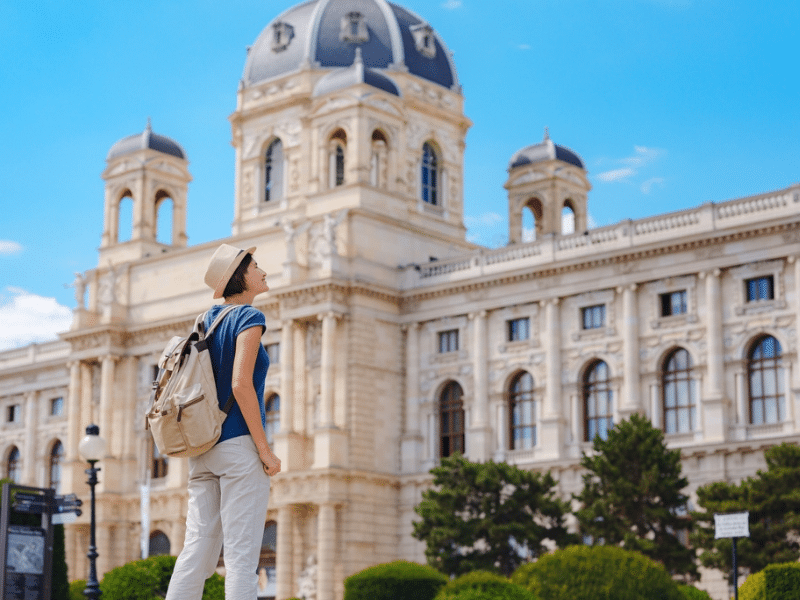
Just over an hour from Vienna, the Wachau Valley offers a completely different atmosphere.
This UNESCO-listed stretch of the Danube River is known for vineyards, castle ruins, monasteries, and charming riverside towns. Roads wind through rolling hills and provide excellent views of the valley below.
Towns such as Dürnstein and Krems are worth exploring on foot. The region is particularly attractive during spring and autumn, when vineyards are either blooming or displaying vibrant seasonal colors.
The slower pace of life here provides an excellent contrast to Vienna’s urban energy.
Salzburg and the Alpine Gateway
Salzburg serves as both a cultural destination and a gateway to Austria’s most dramatic landscapes.
The city itself deserves at least a full day. Visitors can explore the fortress overlooking the Old Town, walk through historic streets, and enjoy views of the surrounding mountains.
However, many travelers find that the roads beyond Salzburg become the true highlight.
The transition from rolling countryside to towering Alpine scenery happens surprisingly quickly, making this section of the journey particularly memorable.
The Salzkammergut: Austria’s Scenic Heart
If there is one region that consistently exceeds expectations, it is the Salzkammergut.
The area combines turquoise lakes, mountain peaks, traditional villages, and some of the country’s most photogenic roads. Distances between attractions are short, allowing travelers to stop frequently without disrupting their schedule.
Hallstatt remains the most famous destination, and while it can be crowded during peak season, arriving early or staying overnight provides a very different experience.
Beyond Hallstatt, lesser-known locations such as Gosau, St. Gilgen, and Bad Ischl offer equally rewarding scenery with fewer visitors.
This region is particularly appealing for families, as many lakes include swimming areas, walking trails, and outdoor activities suitable for children.
Innsbruck and the Tyrolean Alps
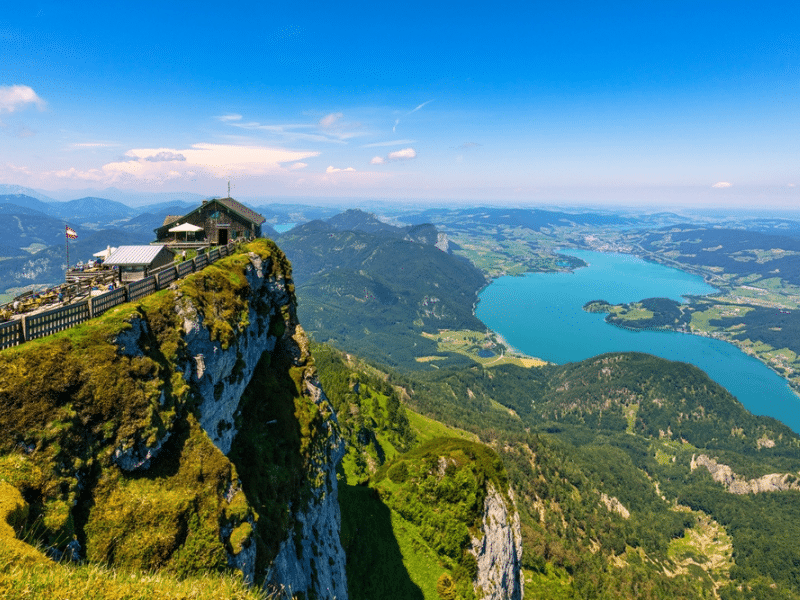
Continuing west brings travelers into Tyrol, where mountain scenery becomes even more dramatic.
Innsbruck combines urban convenience with immediate access to alpine landscapes. The city is compact enough to explore on foot while serving as an excellent base for nearby mountain excursions.
The surrounding roads offer countless opportunities for scenic detours. Whether you’re heading toward mountain villages, hiking areas, or panoramic viewpoints, driving allows flexibility that organized tours rarely provide.
Travelers visiting during summer benefit from long daylight hours, while winter visitors can experience some of Europe’s most famous ski regions.
Motorways, Tolls, and Road Requirements
One aspect of Austrian travel that often surprises international visitors is the motorway toll system.
Many major roads require a valid vignette for legal use. Travelers unfamiliar with the system sometimes discover the requirement only after entering the motorway network, potentially leading to unnecessary complications.
When preparing for the trip, it is sensible to buy your Austria vignette before you go, particularly if you’re collecting a rental car immediately upon arrival or entering Austria from a neighboring country by road.
Austria also operates special tolls on certain tunnels and mountain routes, so checking your planned itinerary beforehand can help avoid surprises.
As with many aspects of European road travel, a little preparation goes a long way.
Driving Rules Visitors Should Know
Austria’s roads are generally easy to navigate, but several regulations deserve attention.
Speed limits are typically:
- 50 km/h in urban areas
- 100 km/h on rural roads
- 130 km/h on motorways
Speed enforcement is common, and automated cameras are widely used.
Seat belts are mandatory for all passengers, and child safety seat regulations are strictly enforced.
Using a mobile phone while driving is prohibited unless a hands-free system is in use.
Winter driving regulations are particularly important. During colder months, winter tires may be required depending on weather conditions, especially in mountainous regions.
Drivers should also be aware that the weather can change rapidly in Alpine areas, even outside winter.
Fuel, Navigation, and Daily Logistics
Fuel stations are readily available throughout Austria, particularly along major routes and near towns.
Credit card acceptance is widespread, although carrying a small amount of cash remains useful for rural locations.
Navigation apps such as Google Maps and Waze function reliably throughout most of the country. Downloading offline maps can still be beneficial when driving through mountain regions where coverage occasionally weakens.
Many travelers also find it helpful to plan fuel stops, accommodation locations, and parking options before each day’s drive rather than making decisions on the move.
A little organization often results in a more relaxed experience.
Common Mistakes Travelers Make
One of the most frequent mistakes is underestimating how much time scenic routes require.
Roads that appear short on a map often lead to multiple photo stops, hiking opportunities, and unexpected discoveries. Allowing flexibility in the schedule creates a more enjoyable experience than rushing between destinations.
Another common issue is relying exclusively on motorways. While highways are efficient, many of Austria’s most beautiful drives occur on secondary roads through valleys, lakeside communities, and mountain regions.
Parking can also present challenges in historic town centers. Researching parking options before arrival saves both time and frustration.
Finally, travelers occasionally overlook motorway requirements, toll systems, or seasonal regulations until after arriving. Addressing these details before departure significantly reduces stress.
Seasonal Considerations
Austria is a year-round road trip destination, but each season offers a different experience.
Spring brings blooming landscapes, quieter roads, and comfortable temperatures.
Summer provides ideal conditions for hiking, swimming, and exploring mountain regions, although popular destinations can become busy.
Autumn is often considered one of the country’s most rewarding seasons. Vineyards change color, mountain scenery remains spectacular, and visitor numbers generally decline.
Winter transforms Austria into a snowy wonderland. However, shorter daylight hours, mountain driving conditions, and weather-related road closures require additional planning.
Choosing the right season depends largely on the type of experience you want.
The Freedom to Discover Austria at Your Own Pace
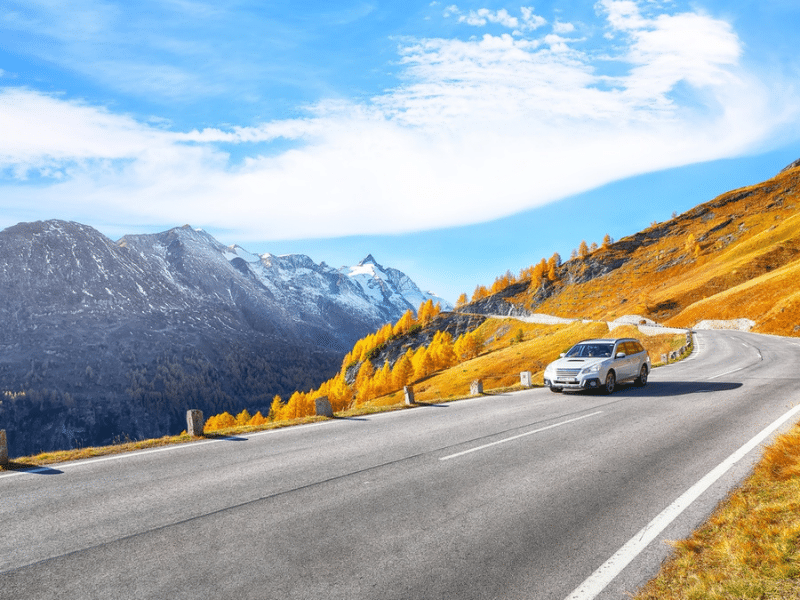
Austria rewards travelers who slow down. While major attractions deserve their reputation, some of the country’s most memorable experiences happen unexpectedly—a lakeside café discovered during a fuel stop, a mountain road that wasn’t on the itinerary, or a village festival encountered by chance.
Driving provides the flexibility to embrace those moments.
With thoughtful preparation, an understanding of local road requirements, and a realistic itinerary, a self-drive journey through Austria becomes more than transportation between destinations. It becomes an integral part of the travel experience itself.
For travelers seeking a mix of culture, scenery, and freedom, few European road trips offer as much variety and reward as Austria.