This post may contain affiliate links, from which we earn an income. Click here to read our affiliate policy.
Spring is one of the best times to hit the open road in the UK. The days stretch out, the countryside wakes up, and you can explore national parks, beaches, and small towns without peak summer crowds or prices. It is also a great sweet spot for travel offers, quieter roads, and finding a decent room or campsite without planning months ahead.
This list mixes classic road trip ideas with lesser known routes that really shine in spring. These are routes where the scenery changes noticeably after winter, attractions reopen, wildlife returns, and the driving itself feels part of the experience. You will find a mix of big hitters and lesser-known routes, all chosen for their spring appeal rather than their popularity alone.
North Coast 500, Scotland
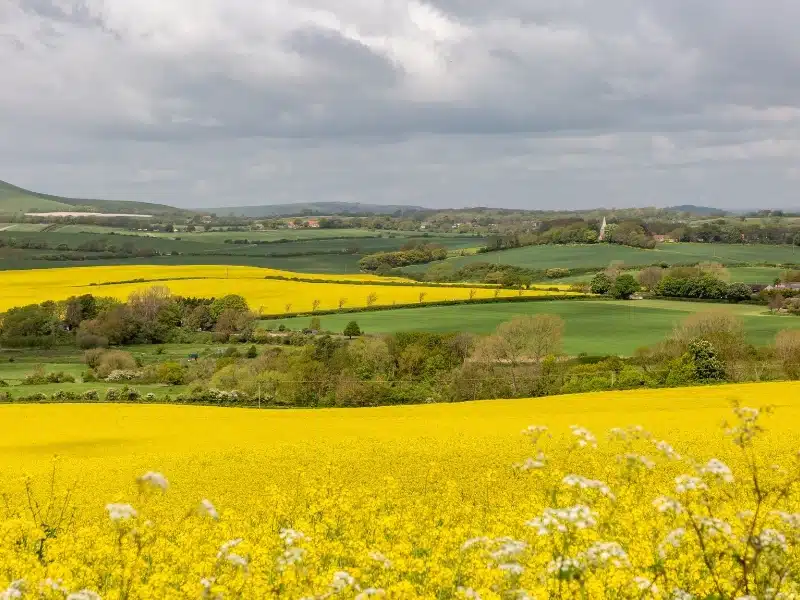
Spring is the ideal time to take on the North Coast 500 if you want the road to feel expansive rather than busy. By May, high passes like the Bealach na Bà are usually open, waterfalls still run strongly after winter rain, and snow often lingers on distant peaks. Longer daylight hours give you the flexibility to explore without feeling rushed each day.
The west and north coasts set the tone with raw scenery, but it is the east coast that often surprises people most in spring. Beaches such as Dunnet Bay and Sinclair’s Bay near Wick are wide, pale, and often completely empty, with a brightness that feels more Nordic than Scottish on clear days. This stretch of the route is also known for seafood, with harborside stops and small shacks offering fresh crab, scallops, and smoked fish when the season allows. Spring is quieter, making it easier to stop casually rather than plan everything in advance.
The east coast also delivers some of the most striking historic sites on the route. Castles such as Castle Sinclair Girnigoe near Wick and the ruins of Old Keiss Castle sit dramatically above the sea, often with no one else around in spring. Nearer to the end of the loop, the drive south past Helmsdale offers long coastal views and a real sense of journey back towards Inverness. This road trip rewards time and curiosity, blending beaches, food, and history into one of the UK’s most satisfying spring drives.
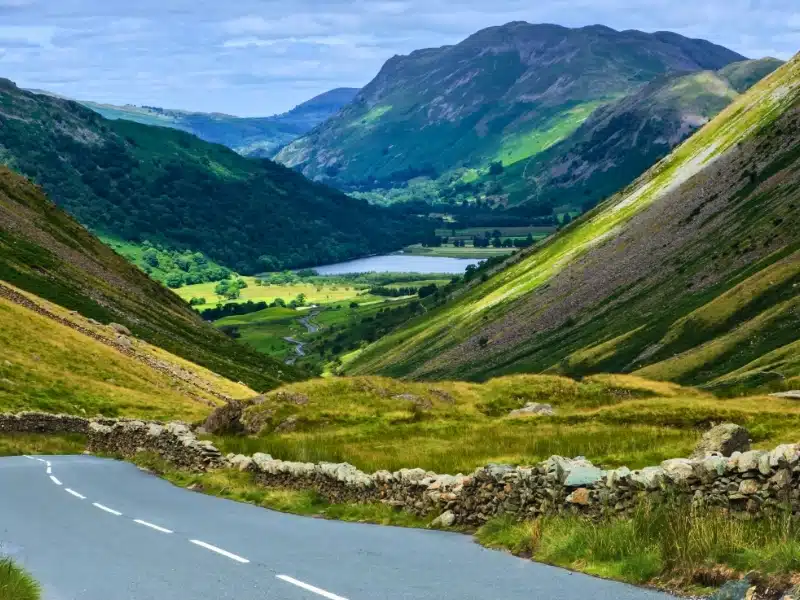
Lake District Loop, England
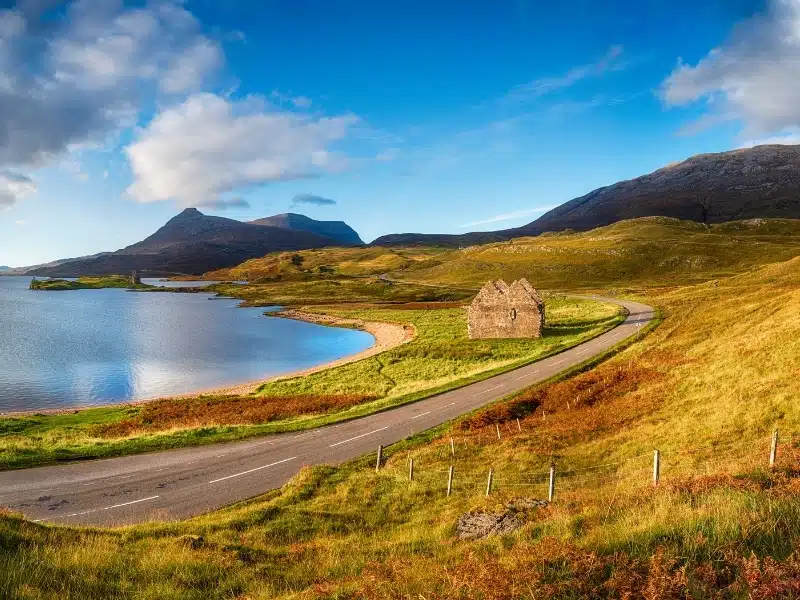
Spring is one of the most rewarding times to explore the Lake District, when the landscape wakes up, but the roads are still manageable. After winter rain, waterfalls are powerful, lakes are full, and the fells begin to turn green at lower levels. It is also one of the best seasons for mixing outdoor activities with relaxed driving, as cooler temperatures make walking far more comfortable.
Windermere is a natural starting point, with boat cruises resuming more frequently in spring and opportunities for paddleboarding and kayaking on calmer days. Around Grasmere and Rydal Water, spring suits gentle walking routes, including lakeside paths and short hill walks that give big views without committing to long summit hikes. This area is also at its best for wandering villages, stopping at cafés, and taking your time.
Further north, Keswick works well as an activity hub, offering access to Derwentwater for rowing, paddleboarding, and circular walks, as well as nearby trails like Catbells that are ideal in spring conditions. Driving west over Honister Pass adds a dramatic shift in scenery, and Buttermere offers one of the park’s most satisfying flat walks around the lake. This road trip works best when you let the weather guide your plans, balancing time on the water, time on foot, and short scenic drives rather than trying to do everything at once.
Pembrokeshire Coast, Wales
Spring is one of the best times to explore the Pembrokeshire Coast National Park, when the paths are clear, the sea is active, and the coastline feels open rather than busy. The drive links short, scenic sections of road with plenty of opportunities to stop and get outside, making it ideal for an activity-led road trip rather than constant driving.
Tenby is a strong starting point, offering coastal walks, kayaking trips along the cliffs, and boat excursions to nearby islands as the season ramps up. Further along, Manorbier combines history with outdoor time, where you can explore the castle, walk the beach below it, or follow sections of the coastal path. Around Stackpole, spring is ideal for walking to Barafundle Bay, exploring the lily ponds, and spending time on quieter stretches of coast before summer crowds arrive.
St Davids adds another layer, with coasteering and boat trips becoming more widely available in late spring, alongside wildlife-focused excursions to spot seals and seabirds. Whitesands Bay is well-suited to beginner and intermediate surfing, with consistent spring swells and fewer people in the water. This road trip works best if you leave space in your schedule, allowing the weather and your energy levels to decide whether the day is about walking, getting on the water, or simply slowing down and enjoying the view.

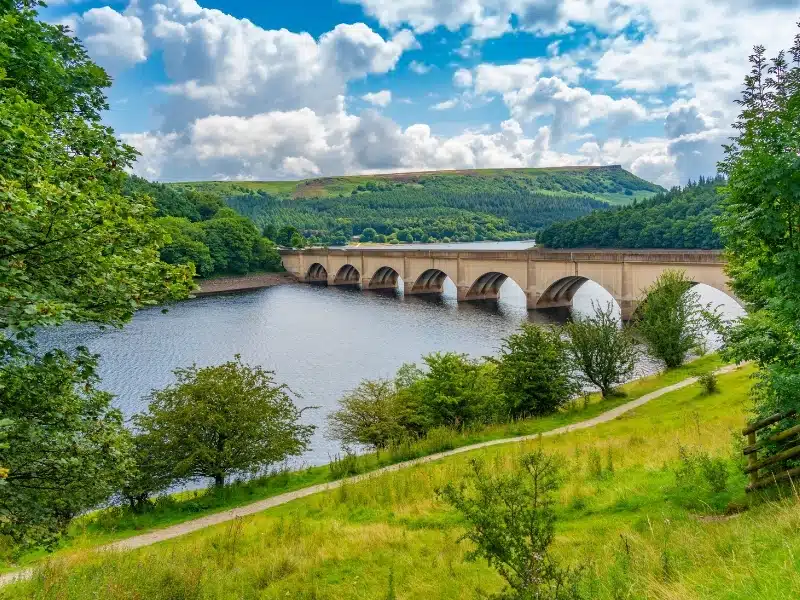
Peak District Explorer, England
Spring is one of the best times to explore the Peak District by road, when the landscape turns green early, and the park feels calm again after winter. Dry stone walls frame the roads, reservoirs fill up, and popular viewpoints are far easier to enjoy without summer traffic. The shorter distances make it ideal for a spring road trip that still feels varied.
Bakewell works well as a starting point, with riverside walks and an easy pace that suits the start of a trip. From here, the drive to Monsal Head gives you one of the most recognisable views in the Peak District, looking down over the sweeping limestone valley and viaduct. Castleton adds a more dramatic feel, with access to Peak Cavern and the option to walk Mam Tor if conditions are clear.
Leaving Castleton, the route heads towards Ladybower Reservoir, where wide views and flat walking paths are ideal in mixed spring weather. From here, driving Snake Pass is the standout stretch of road. Cutting across high moorland between the Dark Peak and the Hope Valley, it feels open, exposed, and quietly dramatic, especially in spring light when the hills are still bare and expansive. This section of the trip brings a real sense of journey, finishing a route that balances villages, viewpoints, and one of the Peak District’s most atmospheric drives.
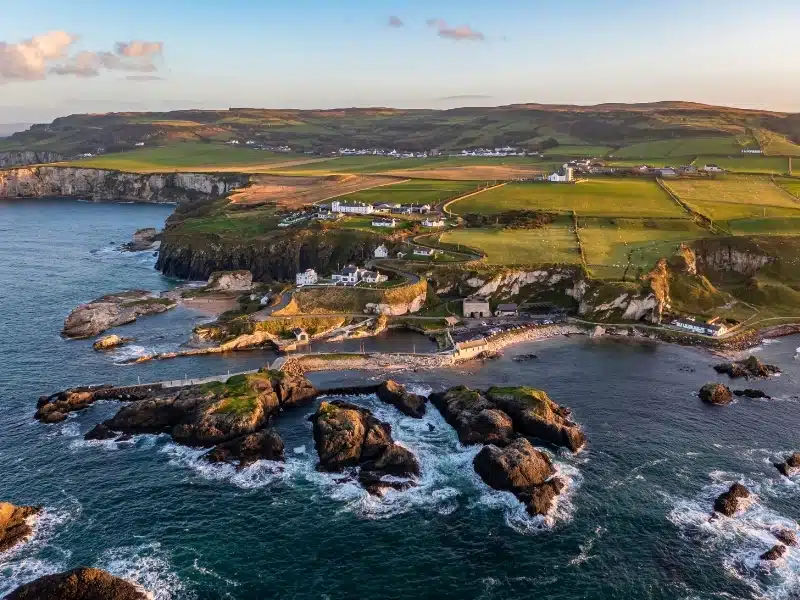
Causeway Coastal Route, Northern Ireland
Spring is one of the best times to drive the Causeway Coast, when the cliffs are green, the sea is bright, and the road feels far less pressured than in summer. Leaving Belfast, the route quickly becomes coastal, with Carrickfergus Castle offering an easy early stop before the scenery shifts into the glens and headlands of Antrim. This stretch sets the tone for a journey where the driving itself is part of the experience.
The Giant’s Causeway is the natural centrepiece of the route, and spring gives you the space to explore it properly. Cooler temperatures make walking across the basalt columns and along the clifftop paths far more comfortable, and the surrounding coastline feels quieter and more expansive. Nearby, the Carrick-a-Rede Rope Bridge adds a moment of drama, linking the mainland to a small island above swirling water. Crossing it in spring is often calmer, with clearer views and fewer queues.
As the road continues west, the landscape opens up into wide beaches and big skies. Benone Beach is one of the highlights, with a vast sweep of sand backed by dunes and distant hills, feeling more Atlantic than Irish Sea on a clear day. The route finishes in Londonderry, where walking the historic city walls offers a change of pace and perspective after days on the coast. This road trip balances famous landmarks with genuine breathing space, making it one of the most rewarding spring drives in the UK and Ireland.
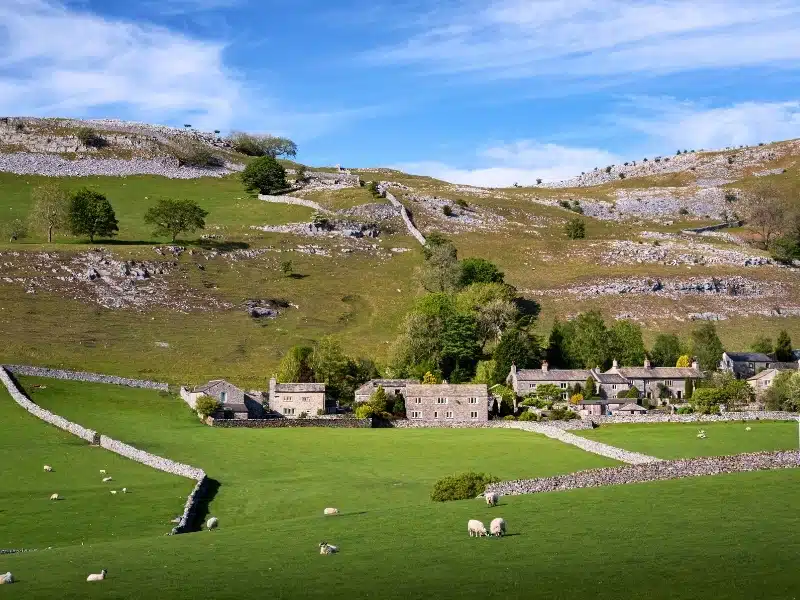
Yorkshire Dales, England
Spring is when the Yorkshire Dales feel most dynamic. After winter rain, rivers swell, waterfalls thunder, and the patchwork of dry stone walls and bright green fields starts to look properly alive. Roads are quiet again after winter, making this one of the most relaxed national park drives in northern England.
Starting in Skipton, the route heads into Wharfedale, known for its broad valley floor, gentle riverside walking, and traditional villages. Grassington makes a natural stop, with cafés, small shops, and easy access to flat paths along the River Wharfe. This part of the drive feels open and pastoral, setting an unhurried tone for the trip.
From here, the road climbs into Malhamdale, where the landscape changes noticeably. This is limestone country, famous for Malham Cove, Gordale Scar, and Janet’s Foss, all of which are at their best in spring when water is flowing strongly. Continuing north, the route enters Wensleydale, a wider, quieter dale known for its rolling scenery, waterfalls such as Aysgarth Falls, and market towns like Hawes. Ending here gives the road trip a calmer, more spacious feel, rounding out a journey that shows off the Dales at their most varied and seasonal.
Snowdonia Scenic Drive, Wales
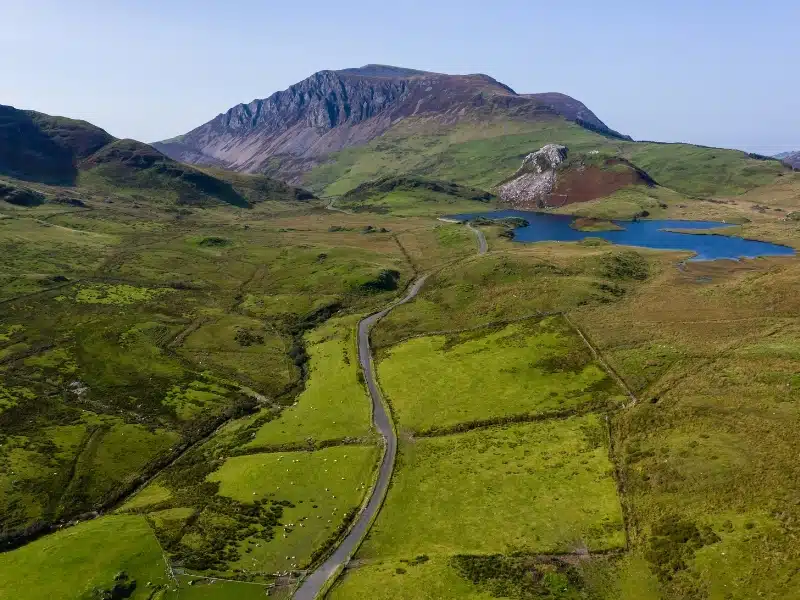
Snowdonia National Park, now Eryri National Park, still feels raw and powerful in spring. Snow can still linger on the highest peaks early in the season, while valleys turn green and rivers run fast. Roads through the national park are quieter than in summer, making the drive itself part of the experience, especially through Nant Gwynant, where steep slopes rise straight from the roadside.
Llanberis is the natural hub for tackling Snowdon. In late spring, conditions are often ideal for climbing via the Llanberis Path or Miners’ Track, both of which suit longer daylight hours and cooler temperatures. For those who prefer a gentler option, the Snowdon Mountain Railway usually begins running in spring, offering a slower, scenic ascent with wide views across the park when conditions allow. Either way, spring gives you a better chance of space and clearer air than high summer.
After descending, the route continues south to Beddgelert, where riverside paths and stone bridges offer a quieter counterpoint to the mountain experience. Walking here feels restorative rather than demanding, especially after a summit day. This road trip works best when you allow time for weather changes, making it a flexible spring break built around one standout challenge rather than constant movement.
Jurassic Coast, England
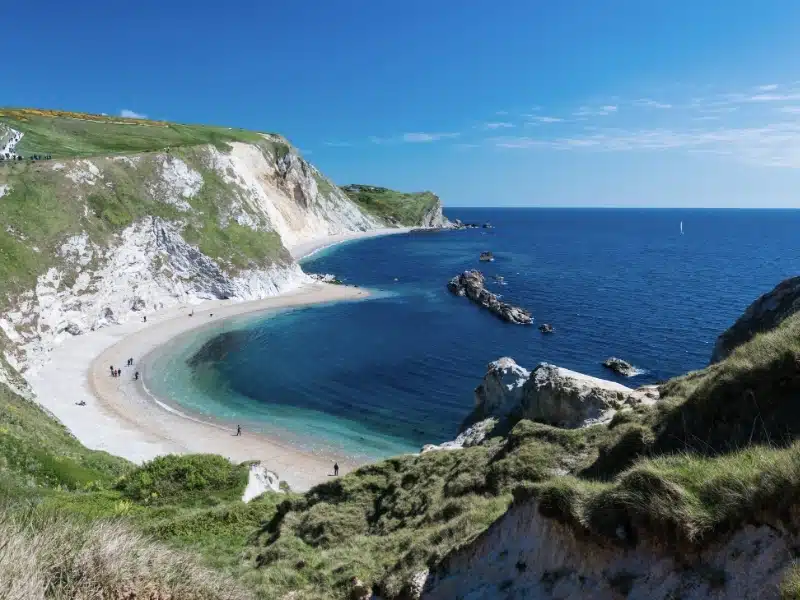
Spring is one of the most rewarding times to explore the Jurassic Coast, when winter storms have reshaped the shoreline and the coastal paths are still relatively quiet. Starting in Lyme Regis gives you access to some of the richest fossil beaches in the UK, particularly around Charmouth, where spring tides and recent erosion often reveal new finds. Cooler temperatures make both beach walking and clifftop routes far more comfortable than later in the year.
The drive east brings you to Durdle Door, where visiting in spring means space to explore the beach and surrounding paths without peak-season pressure. Nearby Lulworth Cove offers a gentler contrast, with short circular walks that climb above the water and give wide views back along the coast. These early stops are dramatic but manageable, setting the pace for the rest of the trip.
From Lulworth, the road continues into the Isle of Purbeck and on to Kimmeridge Bay, one of the most atmospheric stretches of coast in Dorset. In spring, the rock ledges and tidal pools are ideal for slow exploration, and the lack of crowds makes the area feel quietly wild.
Inland, Corfe Castle rises sharply above the surrounding hills, and spring is the best time to explore the ruins and village without summer congestion. The route finishes in Swanage, where the promenade, pier, and nearby coastal paths offer a relaxed end to a road trip that balances geology, history, and classic seaside scenery.
Norfolk Coast, England
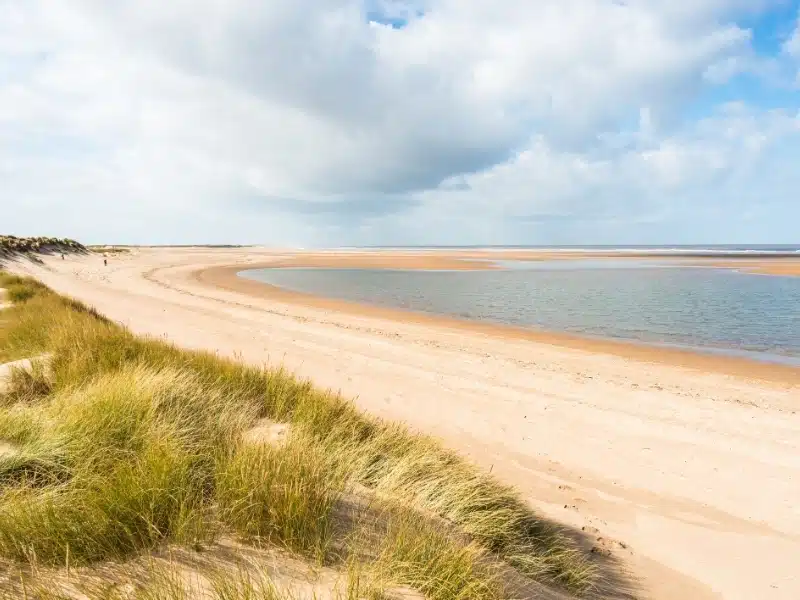
Spring is when the Norfolk coast feels at its most expansive. The light is clearer, salt marshes fill with migrating birds, and beaches stretch out without the summer crowds. Starting in Cromer adds a classic seaside feel to the route, with its pier, clifftop walks, and coastal paths heading east and west along the shore.
From Cromer, the drive west becomes quieter and more rural. Wells-next-the-Sea and Blakeney offer harbours, pastel beach huts, and access to long coastal walks, while Cley is known for its nature reserve and flat paths across the marshes. Early spring mornings are particularly rewarding here, especially if you enjoy wildlife and wide open views.
Holkham Beach is the natural finale, with vast dunes, pine woods, and huge stretches of sand that still feel empty even on brighter days. This road trip suits slow travel and unstructured days, where walking, watching the weather, and stopping often matter more than covering distance.
Isle of Skye Loop, Scotland
Portree is a natural base for exploring Skye in spring. It has the island’s best concentration of places to stay and eat, and the harbour feels calm and unrushed before the busy summer season begins. Starting and finishing here makes the route practical, especially if you want early starts without long drives at the end of the day.
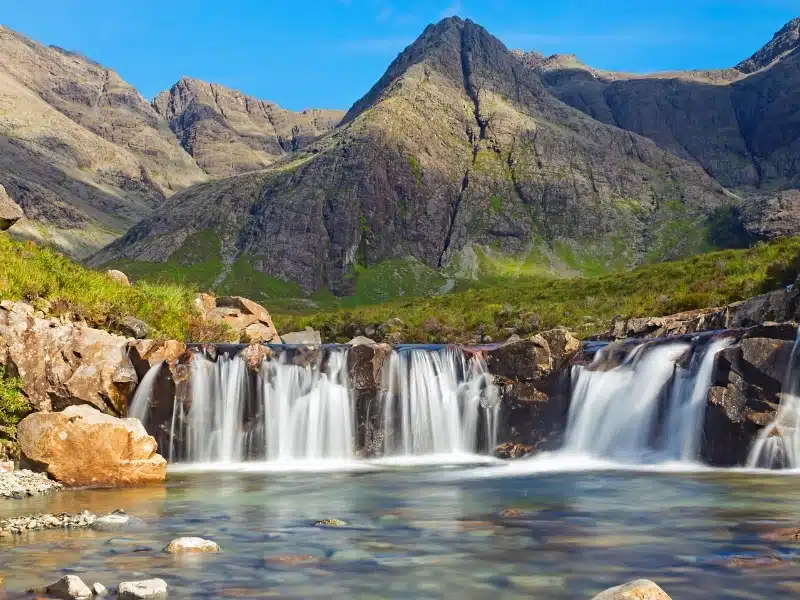
Heading south first, the drive towards the Fairy Pools takes you through changing scenery, from coastal views to the darker, more dramatic slopes of the Cuillin Hills. Spring rainfall keeps the pools and cascades flowing strongly, and cooler temperatures make walking the path far more comfortable than later in the year.
From here, the route turns north towards Dunvegan Castle, where history cuts through Skye’s rugged landscape. The castle’s gardens begin to wake up in spring, and its position on Loch Dunvegan gives it a sense of scale and permanence that contrasts with the raw scenery elsewhere on the island.
The final drive around the Trotternish Peninsula to the Quiraing is one of Skye’s most dramatic sections of road, with landslip formations and wide views that feel especially open in spring. Returning to Portree completes a loop that balances iconic sights with manageable distances and a genuine sense of journey.
Bath to Stratford, England
Starting in Bath gives this spring road trip a strong sense of place. The city feels calmer after winter, with longer days making it easier to explore the Roman Baths, Royal Crescent, and riverside paths without peak-season crowds. Leaving Bath, the road quickly becomes greener and quieter as it heads north into the Cotswolds, shifting the pace from city to countryside within a short drive.
Spring is the ideal time to travel through the Cotswolds villages, when blossom lines narrow lanes and the landscape looks fresh rather than dusty. Stops like Castle Combe and Tetbury work well early in the day, while Bourton-on-the-Water and Lower Slaughter are far more enjoyable before summer traffic builds. Short walks between villages and along streams add variety without committing to long hikes.
The route finishes in Stratford-upon-Avon, where the focus shifts back to history and culture. Spring suits the town particularly well, with riverside walks along the Avon and theatre performances returning after winter. This road trip works best when taken slowly, allowing time to explore both small villages and two of England’s most characterful historic cities without rushing between them.
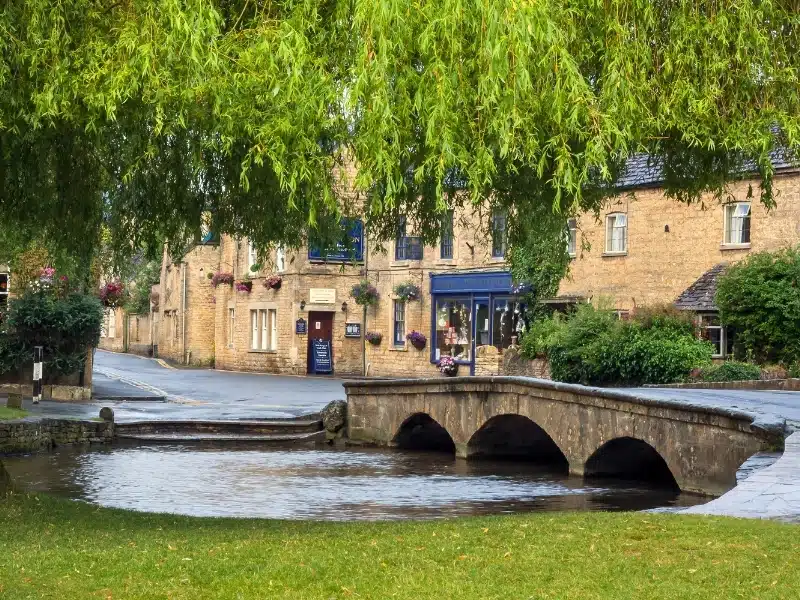
Northumberland Coast, England
Spring is one of the best times to explore the Northumberland coast, when the light is clearer, the beaches feel almost empty, and wildlife becomes part of the experience. Alnmouth and Warkworth make a strong start, combining long sandy beaches with one of the most impressive castle settings in northern England, set on a loop of the River Coquet.
Driving north, Bamburgh Castle dominates the landscape for miles before you reach it. Visiting in spring gives you space to explore both the castle and the surrounding dunes without the crowds that arrive later in the year. The beach here is ideal for long walks, with views stretching out to the Farne Islands on clear days.
Seahouses is the key spring stop on this route, as boat trips begin running to the Farne Islands, where thousands of seabirds nest. Puffins arrive from late April onwards, making this one of the best places in England to see them up close. The road trip finishes at Holy Island, where the tidal causeway and quiet lanes create a fittingly calm end to a route built around space, history, and seasonal wildlife.
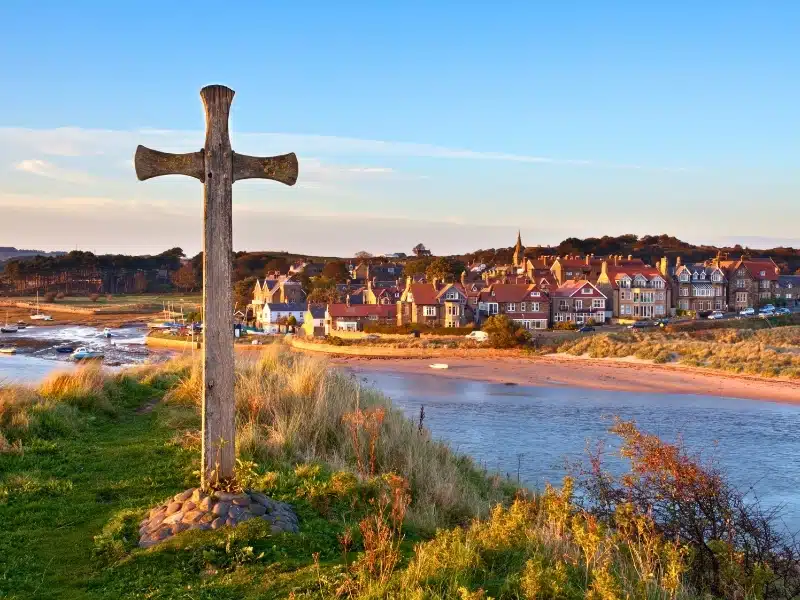
Scottish Borders, Scotland
The Scottish Borders are ideal in spring, when the landscape starts to soften, and the roads stay blissfully quiet. Melrose makes a great first stop, with Melrose Abbey as the headline attraction and riverside walks along the Tweed that feel especially peaceful this time of year. Just outside town, Abbotsford, the former home of Sir Walter Scott, is worth visiting for its gardens and views across the valley.
From Melrose, the drive south to Jedburgh takes you through rolling farmland and small villages rather than big traffic routes. Jedburgh Abbey is one of the most impressive ruins in southern Scotland, and spring is the best time to explore it without crowds. You can also walk part of the Jed Water riverside path or spend time in the town’s independent shops and cafés.
The route finishes on the coast at St Abbs, where the cliffs and headlands come alive in spring. The coastal walk around St Abbs Head offers wide sea views and early seabirds, and the small harbor village is a relaxed place to end the trip. This road trip is less about ticking off big sights and more about taking your time, exploring historic places, and enjoying the open road at an easy pace.
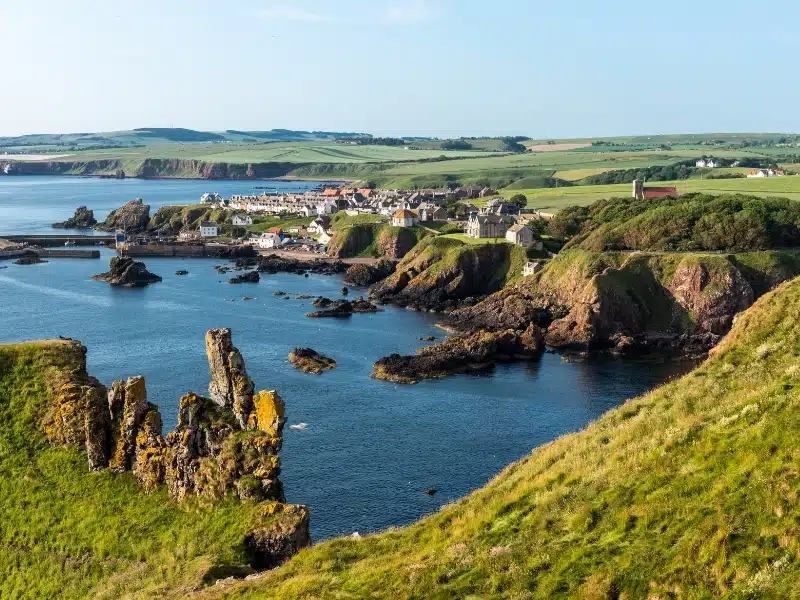
Exmoor National Park, England
Exmoor feels most alive in spring, when the moorland greens up, coastal paths reopen, and the roads remain calm before summer traffic. Lynmouth makes a natural starting point, set where steep wooded valleys meet the sea. From here, the historic cliff railway climbs up to Lynton, the twin village above the harbour, with coastal views and access to high-level walking routes.
The drive out of Lynton towards the Valley of Rocks is one of the most distinctive stretches of road in the park. Sheer cliffs, open heathland, and roaming goats make it feel unexpectedly wild for southern England. Spring light adds depth to the landscape, and there is space to stop and explore without crowds.
Continuing west towards Porlock, the road crosses open moorland where Exmoor ponies are often visible. Views stretch across rolling hills and down to the Bristol Channel, especially clear on bright spring days. This route suits travellers who want a quieter national park experience, where the road, the walking, and the sense of space all matter equally.
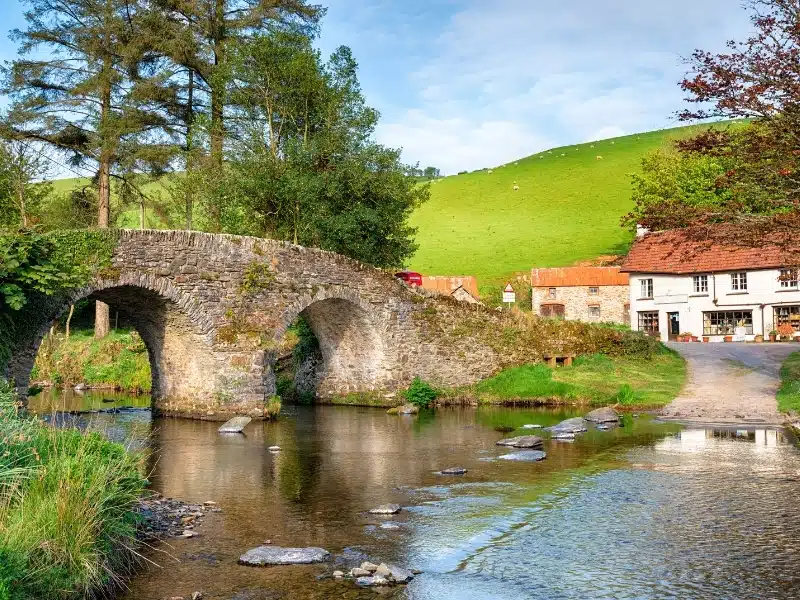
Kent and East Sussex Coast, England
Starting at Camber Sands sets the tone for this spring road trip with wide beaches and open skies. In spring, the dunes feel expansive rather than busy, and it is one of the best places on the south coast for a long, quiet walk before summer crowds arrive. The surrounding landscape still feels rural here, making it a gentle introduction to the route.
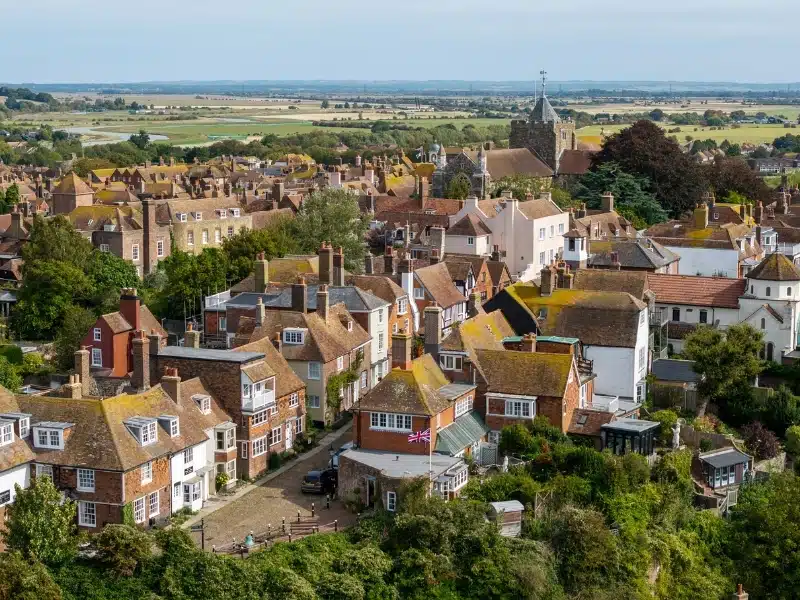
A short drive inland brings you to Rye, one of the most atmospheric small towns in the south east. Cobbled streets like Mermaid Street are calmer in spring, and walking the town walls gives you views across the surrounding marshes as they turn green after winter. Rye is ideal for slowing down, with independent shops, historic inns, and easy access to flat countryside walks.
From Rye, the road continues west to Hastings, where history and coastline meet. The historic town feels lively without being overwhelming at this time of year, and the East Hill lift gives access to clifftop paths with views stretching along the coast. From here, the route edges into the South Downs National Park, where rolling hills and chalk cliffs shape the drive towards Brighton.
Brighton makes a fitting end to the trip, shifting the pace from rural and historic to energetic and urban. In spring, the city feels lighter and more walkable, with the seafront, Lanes, and nearby South Downs trails all easily accessible. This road trip works particularly well as a spring break, combining beach time, small towns, national park scenery, and a proper city finish without long hours on the road.