
This post may contain affiliate links, from which we earn an income. Click here to read our affiliate policy.
Retiring into a motorhome or caravan lifestyle sounds like a dream. But spending weeks on the road, sometimes in remote areas, means planning for medical emergencies becomes just as important as route planning.
Medical alert systems give travelling seniors a direct connection to emergency help at the push of a button. Many providers now offer medical alert systems for seniors free of activation fees, long-term contracts, and hidden charges. For retirees living the gap year life on wheels, these devices add a meaningful layer of protection without adding financial stress.

What Exactly Are Free Medical Alert Systems?
Free medical alert systems are personal emergency response devices that eliminate upfront costs. Seniors pay only a low monthly monitoring fee with no activation charges, equipment fees, or binding contracts.
These systems typically include a wearable device, such as a pendant or wristband, paired with a base unit or cellular connection. When the wearer presses the SOS button, the device connects them to a 24/7 monitoring centre staffed by trained operators.
The “free” label refers to the absence of startup costs that other providers charge. Some companies waive equipment fees entirely, while others bundle the device cost into an affordable monthly plan. Either way, the barrier to entry drops significantly for seniors on a fixed retirement income.
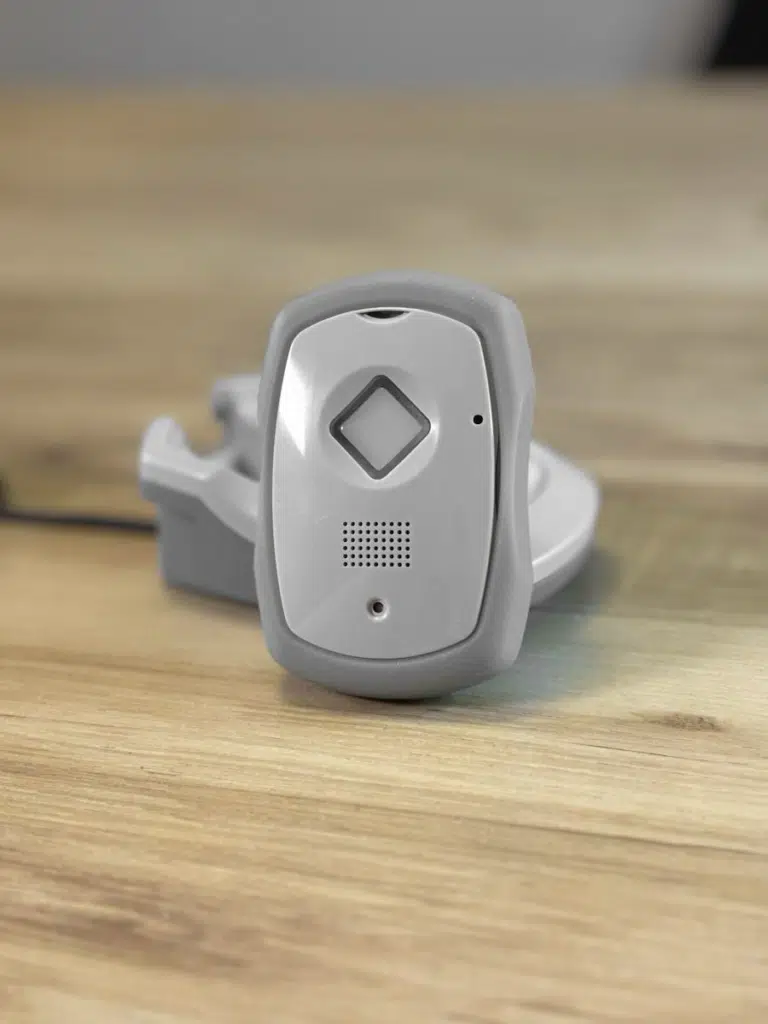
How Do These Devices Work for Travelling Retirees?
Motorhome travellers need devices that work beyond the walls of a single home. Here is how modern portable alert systems typically operate on the road.
For anyone building their motorhome essentials list, a portable medical alert device belongs right alongside the first aid kit and breakdown cover.
Why Should Older Motorhomers Consider a Medical Alert Device?
The risk of a medical emergency increases with age, and that risk does not pause when you park up at a scenic overlook. Falls are the leading cause of injury for adults over 65, according to the CDC’s traveller health guidance. A slip on wet grass outside a campervan or a stumble on uneven ground at a campsite can turn a holiday into a hospital visit.
Travelling as a couple offers some reassurance, but not full coverage. If one partner suffers a fall while the other is out walking or at a service block, minutes of delay can make a real difference. Solo travellers face an even greater gap in their safety net.
The National Council on Aging recommends that older adult travellers carry personal alert devices as part of their trip preparation. A device with GPS and cellular connectivity works wherever there is mobile signal, making it practical for touring across regions and even across borders.
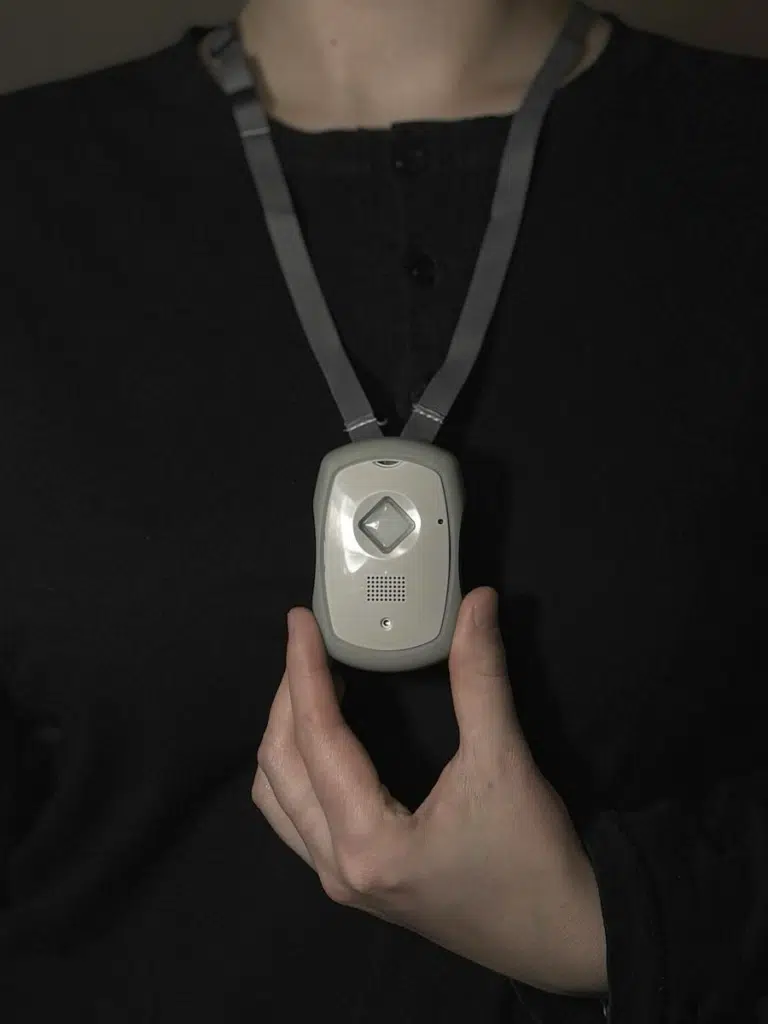
What Features Matter Most for Seniors Who Travel?
Not every medical alert system suits life on the road. Here are the features that separate a travel-ready device from a home-only unit.
Seniors who are new to the motorhome lifestyle should also review beginner motorhoming tips to build a full picture of what they need before setting off.
Can You Really Get a Quality System Without Paying a Fee?
Yes, but it pays to read the fine print. Several reputable providers in Canada and the UK now offer systems with zero activation fees and no equipment charges. The monthly monitoring cost typically ranges from $25 to $50 depending on the plan and features selected.
The trade-off is straightforward. Providers absorb the upfront device cost in exchange for a reliable monthly subscription. This model works well for retirees who want flexibility without a large initial outlay. Some plans even include free device replacements if the original unit is damaged or lost.
Quality should not be sacrificed for savings, though. A no-fee system from a reputable provider still includes fall detection, GPS, and round-the-clock monitoring.
Before You Hit the Road
So, Is a Free Medical Alert System Worth It for Travellers?
For seniors who spend weeks or months in a motorhome, the answer is clear. A portable medical alert device closes the gap between independence and safety on the road. The cost is modest, the technology is proven, and the peace of mind it brings to both the wearer and their family makes it one of the smartest travel investments a retiree can make.
FAQ
Do medical alert systems work in rural or remote areas?
GPS-enabled systems work anywhere with cellular coverage. Most rural areas and campsites across the UK, Canada, and Europe have sufficient mobile signal. Check your provider’s coverage map before travelling to very remote locations.
Can I use a medical alert device while travelling abroad in a motorhome?
Some providers offer international coverage through roaming SIM technology. Confirm with your provider whether the device supports roaming in your destination countries. Devices that rely on a home base unit will not work outside your property.
Are free medical alert systems covered by the NHS or provincial health plans?
Most public health systems do not cover personal alert devices directly. However, some UK councils offer telecare alarm schemes through adult social services. In Canada, certain provincial programmes may subsidise the cost for qualifying seniors.
What happens if I fall and cannot press the SOS button?
Devices with automatic fall detection use accelerometers and gyroscopes to sense sudden impacts. The system contacts the monitoring centre on its own within seconds, which is especially valuable for solo travellers.