This post may contain affiliate links, from which we earn an income. Click here to read our affiliate policy.
Exploring Australia by campervan is one of the most memorable ways to experience the country. The combination of coastal highways, outback landscapes, and charming small towns makes road trips a favourite choice among travellers. For beginners, though, the idea of planning such a journey can feel a little daunting.
Many travellers prepare for long drives by bringing small comforts that make the journey easier, whether that’s music playlists, travel journals, snacks, or personal items like vapes that some people use during rest stops to unwind. While the essentials of a road trip are practical, the small details often shape the overall travel experience.
If it’s your first campervan adventure in Australia, these beginner-friendly tips can help you travel more confidently and enjoy the journey along the way.
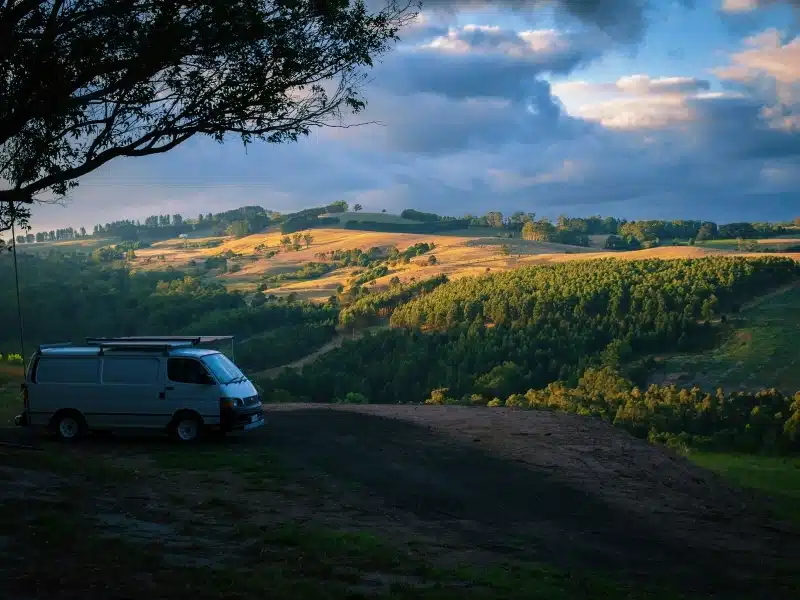
1. Start With a Flexible Route Plan
Before hitting the road, it helps to map out a general route so you know the major destinations you want to visit. Australia is enormous, and distances between towns can be longer than expected, especially for first-time travellers unfamiliar with the country’s geography.
That said, try not to plan every minute of the trip. One of the biggest advantages of travelling by campervan is the freedom to stop whenever something interesting catches your eye. Scenic coastal lookouts, small-town bakeries, or unexpected beaches often become the highlights of the journey.
2. Choose a Beginner-Friendly Campervan
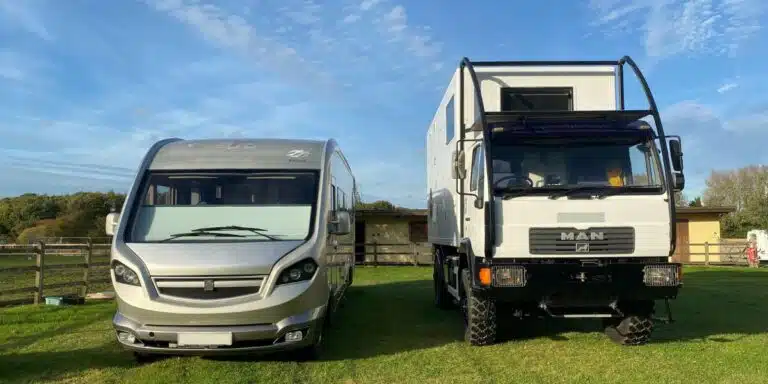
Selecting the right campervan is an important part of your road trip preparation. If it’s your first time driving a larger vehicle, a compact campervan is usually easier to handle than a large motorhome. Smaller vans are simpler to park, navigate through towns, and drive along winding coastal roads.
Comfort is still important, though. Look for a campervan that offers sufficient sleeping space, basic cooking facilities, and ample storage for your luggage. A well-balanced setup can make your trip both comfortable and manageable for beginners.
3. Familiarise Yourself With the Vehicle
Driving a campervan can feel different from driving a regular car. The size, weight, and turning radius take a little time to adjust to, especially when reversing or navigating tighter spaces.
Before leaving the rental location, take time to understand how everything works. Learn how to operate the kitchen equipment, connect to campsite power sources, and use the water system. Knowing these basics early can prevent confusion later during your journey.
4. Don’t Drive Too Far in One Day
Many first-time travellers underestimate how tiring long drives can be. While it may be tempting to cover as much distance as possible, campervan trips are far more enjoyable when you slow the pace.
Limiting your daily drive to a few hours allows you to stop frequently and explore. This slower approach also gives you time to visit local attractions, take photos, and enjoy the scenery rather than rushing from one destination to the next.
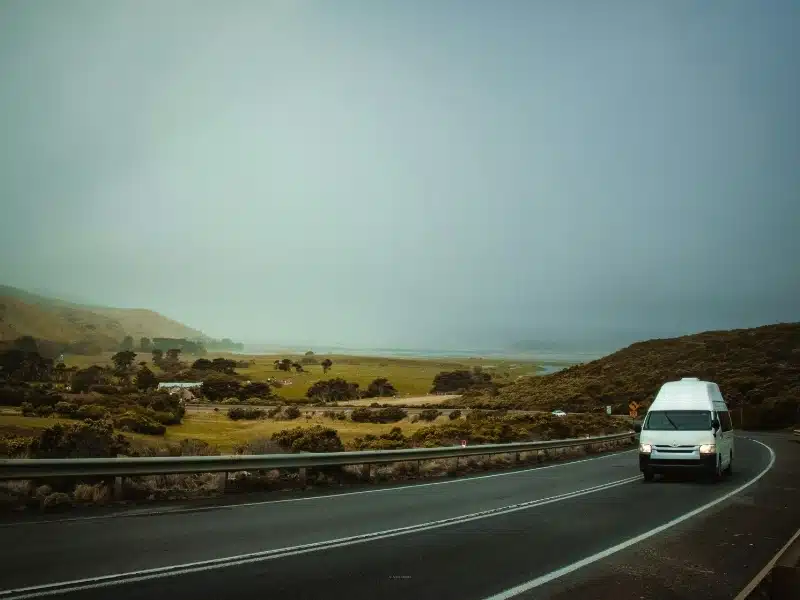
5. Book Your First Few Campsites
Australia offers a wide range of camping options, from organised caravan parks to free roadside camps. If you’re new to campervan travel, reserving campsites for the first few nights can provide peace of mind.
Caravan parks usually offer helpful facilities such as showers, electricity, laundry areas, and secure parking. Once you feel comfortable with the campervan setup, you may decide to explore more remote or flexible camping options later in the trip.
6. Pack Only What You Really Need
Space inside a campervan is limited, so packing efficiently makes a big difference. Rather than bringing large suitcases, many travellers prefer soft bags that are easier to store inside small compartments.
Focus on versatile items that serve multiple purposes. Lightweight clothing, comfortable shoes, and compact travel gear are usually the most practical choices. The goal is to keep your space organised so the campervan feels comfortable throughout the trip.
7. Stock Up Before Entering Remote Areas
While cities and popular tourist regions have plenty of grocery stores, some stretches of Australian highways can be surprisingly remote. Planning ahead for food and supplies helps avoid unnecessary stress during long drives.
Before heading into less populated areas, stock up on simple cooking ingredients and snacks. Having food ready inside your campervan allows you to stop whenever you find a scenic place to cook or enjoy a meal outdoors.
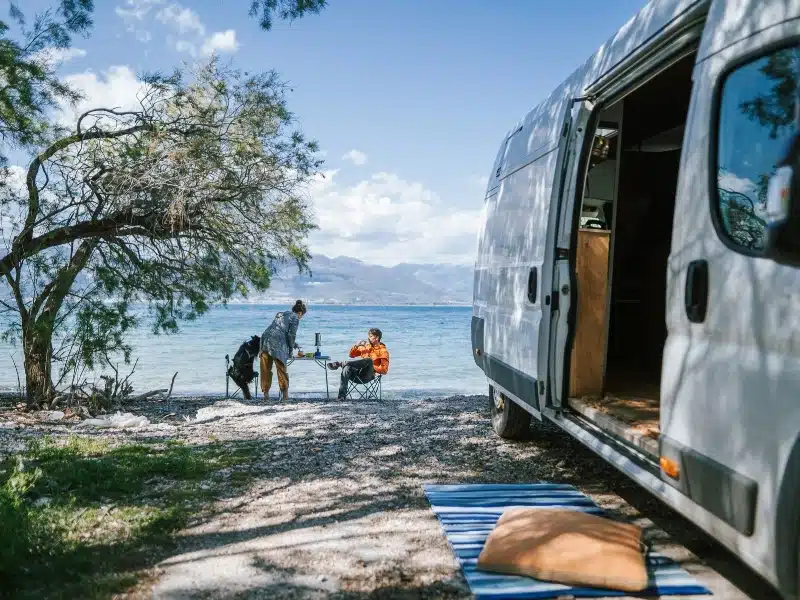
8. Respect Wildlife and Natural Spaces
Australia’s wildlife is one of the most exciting parts of travelling through the country. Kangaroos, birds, and other animals can often be spotted near roads, especially during early morning and evening hours.
However, it’s important to keep a safe distance and avoid feeding wildlife. Responsible travel also means keeping campsites clean and following local guidelines when visiting national parks or protected areas.
9. Take Regular Breaks While Driving
Driving long distances can quickly become tiring, particularly when adjusting to a campervan. Taking regular breaks not only helps you stay alert but also gives you a chance to appreciate the landscapes around you.
Many travellers discover that their favourite moments happen during these stops. Whether it’s watching waves crash along the coast or enjoying coffee at a roadside café, these small pauses often become memorable parts of the trip.
10. Be Open to Unexpected Adventures
Even with the best planning, road trips rarely go exactly as expected. Weather changes, new recommendations from locals, or hidden attractions along the road can shift your original plans.
Instead of seeing these changes as disruptions, embrace them as part of the experience. Some of the most rewarding travel memories come from spontaneous decisions and unplanned discoveries along the journey.
A campervan road trip across Australia is one of the most freeing travel experiences available. The ability to wake up near the ocean one day and explore national parks the next offers a unique way to see the country.
For beginners, the key is preparation combined with flexibility. Plan enough to feel confident, travel at a comfortable pace, and allow the road to surprise you. When you approach the journey this way, every kilometre becomes part of the adventure.